

Benefits of Drinking Raw Kombucha: A 2026 Guide
Table of Contents
- What Raw Kombucha Is and How It's Made
- Raw vs. Pasteurized Kombucha: Why the Difference Matters
- Probiotics and Gut Health Benefits
- Antioxidants, Immune Support, and Inflammation
- How to Store Raw Kombucha and Maintain Freshness
- Kombucha Serving Size and How to Drink It Safely
- Safety Considerations and What to Watch For
- Getting Started: Incorporating Raw Kombucha Into Your Routine
- Frequently Asked Questions
Last Updated: September 1, 2026
What Raw Kombucha Is and How It's Made
Raw kombucha is fermented tea created through a living fermentation process that preserves beneficial microorganisms and enzymes. Unlike pasteurized versions, raw kombucha contains active probiotics, live cultures, and organic acids that develop during fermentation. The fermentation begins with a SCOBY (Symbiotic Culture of Bacteria and Yeast), a living culture that floats on sweetened tea. Over 7-30 days, the SCOBY converts the tea into kombucha, producing acetic acid, polyphenols, and other compounds while creating natural carbonation and a tangy flavor (peer-reviewed research).
At Drink Balo, we craft raw kombucha by fermenting excess farmers market produce alongside traditional tea, creating unique flavor profiles while supporting local growers. This approach ensures every batch contains the full spectrum of living cultures and enzymes that make raw kombucha distinct from shelf-stable alternatives.
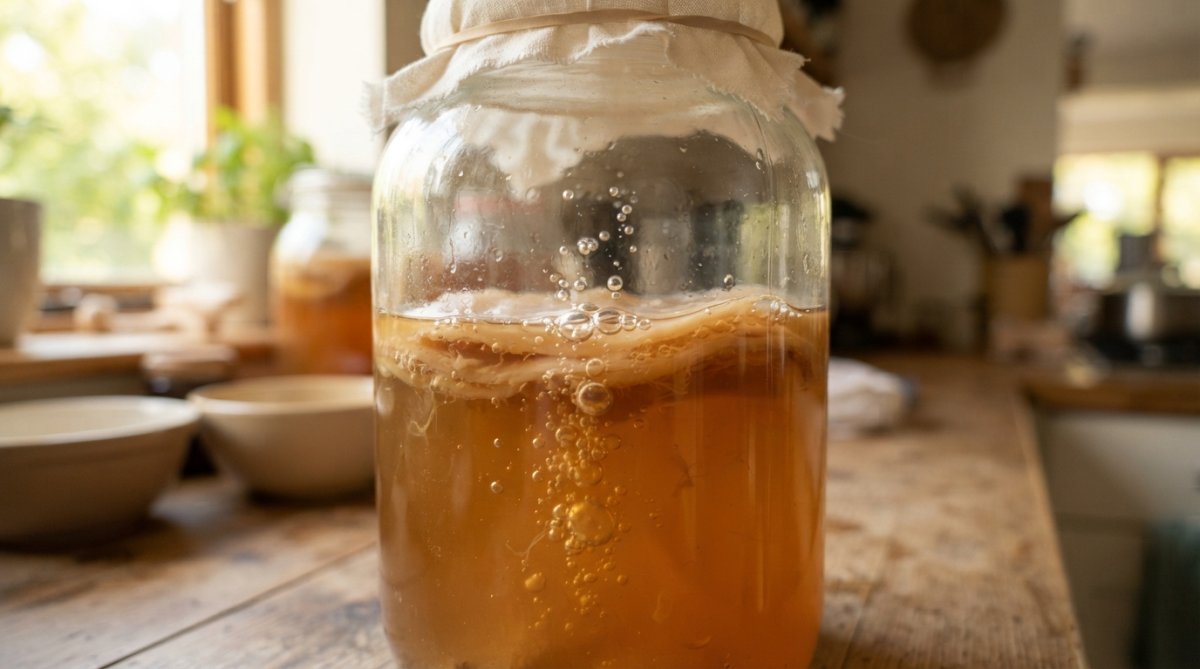
As bacteria and yeast metabolize the tea's compounds, they produce beneficial metabolites including B vitamins, amino acids, and organic acids. The live cultures remain dormant but viable in raw kombucha when stored properly, ready to support your gut microbiome upon consumption. This is fundamentally different from pasteurized kombucha, where heat kills these living organisms.
Raw vs. Pasteurized Kombucha: Why the Difference Matters
Pasteurization heats kombucha to kill bacteria and extend shelf life, which also eliminates the live cultures that define raw kombucha's benefits. Raw kombucha retains these living microorganisms, making it fundamentally different in composition and function.

Raw kombucha contains viable probiotics and active enzymes that survive fermentation. Pasteurized kombucha loses these elements, though it retains some organic acids and polyphenols produced during fermentation. For someone seeking probiotic support and gut microbiome benefits, this difference is decisive.
Raw kombucha continues to evolve slightly in the bottle due to residual yeast activity, creating ongoing carbonation and subtle flavor development. Pasteurized kombucha is stable and unchanging. Raw versions typically have lower residual sugar because fermentation continues longer, while pasteurized versions may retain more sugar since the process is halted by heat.
Raw kombucha must be refrigerated to slow fermentation and preserve live cultures. Pasteurized kombucha can sit on shelves at room temperature. Raw kombucha tends to be more complex with evolving flavor notes and natural carbonation, while pasteurized kombucha tastes more consistent and often requires added carbonation. If you're buying kombucha specifically for gut health, raw is the only choice that delivers probiotic benefits.
Probiotics and Gut Health Benefits
Raw kombucha's primary health value lies in its probiotic content and impact on gut microbiome composition. The live cultures in raw kombucha, primarily beneficial bacteria like Acetobacter and Gluconobacter, can support gastrointestinal health when consumed regularly (peer-reviewed research). These microorganisms interact with your existing gut flora, potentially increasing microbial diversity and supporting digestive enzyme production.
The gut microbiome influences digestion, nutrient absorption, and immune function. When you consume raw kombucha, the live cultures introduce new microbial strains into your digestive system. Greater microbial diversity generally correlates with better digestive health and metabolic function.
Raw kombucha also contains organic acids, primarily acetic acid, that lower the pH of your digestive tract. This acidic environment can inhibit pathogenic bacteria while supporting beneficial strains that thrive in lower pH conditions, potentially reducing bloating and constipation from dysbiosis.
Many people report improved digestion and reduced bloating after incorporating raw kombucha into their routine. Consistency matters for probiotic benefits, regular consumption creates sustained microbial support. Most practitioners recommend daily or near-daily intake to maintain effects. This is where quality and freshness become critical: older raw kombucha may have reduced viable culture counts, diminishing the benefit.
Antioxidants, Immune Support, and Inflammation
Raw kombucha contains polyphenols inherited from the tea base, compounds with antioxidant properties that protect cells from oxidative stress. The fermentation process may increase their bioavailability, making them easier for your body to absorb and use.

Antioxidants neutralize free radicals, unstable molecules that damage cells and accelerate aging. The polyphenols in raw kombucha have been studied for their role in supporting metabolic health and reducing inflammation markers. Regular consumption may contribute to lower systemic inflammation, though the effect works best alongside other anti-inflammatory habits like sleep, exercise, and a whole-foods diet.
The immune system benefits from both the probiotic content and the antioxidant load. Roughly 70% of immune cells reside in the digestive tract, so when gut flora diversity improves through probiotic consumption, immune regulation often follows (the NIH). The antioxidants reduce the inflammatory burden your immune system must manage, allowing it to focus on actual threats.
The anti-inflammatory effect is gradual and cumulative. Over weeks and months of regular consumption, many people notice reduced joint stiffness, clearer skin, and better energy levels, all markers of reduced systemic inflammation.
How to Store Raw Kombucha and Maintain Freshness
Raw kombucha requires refrigeration because fermentation slows dramatically in cold temperatures but continues at a glacial pace. Proper storage preserves the live cultures and prevents over-carbonation.
Store raw kombucha in the coldest part of your refrigerator, ideally between 35-40°F, keeping bottles upright. Most raw kombucha remains viable for 6-9 months when stored properly, though quality, flavor, and probiotic viability peak in the first 2-3 months after production. other fermented beverages.
Check the production date on your bottle. Fresher kombucha has higher viable culture counts. Once opened, finish the bottle within 3-5 days and seal it tightly to maintain carbonation.
Never leave raw kombucha at room temperature for extended periods. Warm conditions accelerate fermentation, increasing carbonation pressure and potentially creating an overly acidic beverage. Watch for signs of spoilage: visible mold, off-putting vinegar smell beyond normal tang, or cloudy sediment that smells unpleasant. Normal kombucha may develop sediment and appear slightly cloudy, indicating living cultures.
Kombucha Serving Size and How to Drink It Safely
Most people tolerate 4-8 ounces of raw kombucha daily as a starting point. If you're new to raw kombucha, begin with 4 ounces and observe how your body responds over 3-5 days before increasing.
Drink raw kombucha with or shortly after meals to buffer stomach acid and support digestion. Taking it on an empty stomach may cause temporary digestive discomfort. Consistency beats quantity, a small daily amount delivers more benefit than occasional larger servings.
Many people use raw kombucha as a mixer for sparkling water or in smoothies to reduce tartness while maintaining probiotic benefits. Avoid mixing raw kombucha with very hot liquids immediately after opening, as high heat can kill some live cultures.
Some people experience temporary digestive adjustments, increased bowel movements, or mild bloating during the first week of consumption. This typically reflects your microbiome adapting to new cultures and usually resolves within 7-10 days. If discomfort persists beyond two weeks, reduce your serving size or consult a healthcare provider.
Safety Considerations and What to Watch For
Raw kombucha is generally safe for most adults, but certain conditions warrant caution. People with compromised immune systems or those taking immunosuppressant medications should consult their healthcare provider before consuming raw kombucha regularly.
Pregnant and nursing individuals should also check with their healthcare provider. While many pregnant people consume raw kombucha without issue, professional guidance is worthwhile.
The sugar content in raw kombucha varies based on fermentation length. Drink Balo's raw kombucha contains approximately 4 grams of cane sugar per 12-ounce serving. If you're monitoring sugar intake for diabetes or other metabolic reasons, account for this in your daily total.
Raw kombucha contains trace amounts of caffeine inherited from the tea base, typically 5-15 mg per 12 ounces, significantly less than brewed tea but enough to notice if you're sensitive. Avoid consuming late in the day if caffeine affects your sleep.
The fermentation process produces alcohol as a byproduct, typically less than 0.5% ABV in properly fermented kombucha. This amount is negligible for most people, but those in recovery from alcohol use disorder should be aware.
Commercial raw kombucha like Drink Balo's is produced under controlled conditions designed to prevent contamination while preserving beneficial cultures.
Getting Started: Incorporating Raw Kombucha Into Your Routine
Begin by selecting a raw kombucha that appeals to your palate. Drink Balo offers unique botanically infused raw kombucha flavors made from excess farmers market produce. Start with our 4-pack Strawberry Fennel Flower raw kombucha or Cherry Fig Leaf raw kombucha to experience how flavor and fermentation work together.
Plan for consistency by deciding on a specific time each day to consume your serving, perhaps with breakfast or lunch. This habit formation ensures you actually receive the probiotic benefits. Track your response during your first two weeks, noting any changes in digestion, energy, or skin clarity. Individual responses vary significantly, so your personal experience matters more than general claims.
Explore how raw kombucha fits into your existing routine, use it as a pre-meal digestive support, a post-workout recovery drink, or a sophisticated non-alcoholic option when entertaining. If you're sober-curious or seeking non-alcoholic beverages with genuine functional benefits, raw kombucha offers complexity and depth that goes beyond standard sodas or juices.

Consider upgrading to bulk purchases as you establish consistency. Drink Balo's 12-pack raw kombucha or 8-pack mixed raw kombucha ensures you always have fresh bottles on hand, supporting your daily routine while reducing packaging waste.

The benefits of drinking raw kombucha are real, but they require consistency and realistic expectations. Raw kombucha isn't a miracle cure, it's a functional beverage that supports gut health, provides antioxidants, and introduces beneficial cultures into your digestive system when consumed regularly. The difference between raw and pasteurized matters if you're seeking probiotic benefits, and the fermentation process that creates kombucha's unique properties only happens in the living version. Get started with Drink Balo's raw kombucha and experience how sustainable, locally-sourced fermentation supports both your wellness goals and your palate. Add to cart and join a community of health-conscious consumers who've discovered that the best functional beverage is one you actually enjoy drinking every day.
| Aspect | Raw Kombucha | Pasteurized Kombucha |
|---|---|---|
| Live Cultures | Present and viable | Eliminated by heat |
| Probiotic Benefit | Full spectrum support | Minimal to none |
| Storage | Refrigeration required | Room temperature stable |
| Shelf Life | 6-9 months (refrigerated) | 12+ months (shelf-stable) |
| Carbonation | Naturally evolving | Static or added |
| Sugar Content | Lower (continued fermentation) | Higher (fermentation stopped) |
| Taste Profile | Complex, evolving | Consistent, stable |
Frequently Asked Questions
What happens when you first start drinking raw kombucha?
When you begin drinking raw kombucha, your body may experience a transition period as the probiotics and organic acids adjust your gut microbiome. Some people notice improved digestion, increased energy, or clearer skin within days. Others may experience mild bloating or digestive changes as live cultures colonize your gastrointestinal tract. Start with a small serving (4 oz) and increase gradually over 1-2 weeks. This allows your system to adapt to the acetic acid and live bacteria without overwhelming your digestive system.
How does raw kombucha differ from pasteurized versions?
Raw kombucha retains all live cultures, probiotics, and beneficial bacteria because it's never heated. Pasteurized kombucha has been heat-treated to kill pathogens, which also eliminates most live microbes and reduces probiotic content. Raw versions contain active SCOBY cultures, higher bioavailability of polyphenols and antioxidants, and acetic acid that supports metabolic health. However, raw kombucha requires refrigeration and has a shorter shelf life. If you're seeking maximum probiotic diversity and enzyme activity, raw is superior, but pasteurized offers longer stability.
Is raw kombucha safe to drink every day?
Yes, raw kombucha is safe for daily consumption when you follow proper serving sizes and storage guidelines. Most health professionals recommend 8-12 oz daily as a maximum for adults. Raw kombucha's acetic acid can affect tooth enamel, so drink it with meals or use a straw. Pregnant women, people with compromised immune systems, or those with histamine sensitivities should consult a healthcare provider before daily consumption. Always source raw kombucha from reputable producers who follow fermentation safety standards to minimize contamination risk.
Can raw kombucha help with weight management?
Raw kombucha may support weight management through several mechanisms: the acetic acid can improve metabolism, probiotics support gut flora diversity linked to healthy weight, and the fermentation process reduces sugar content compared to the starting brew. However, kombucha alone doesn't cause weight loss. It works best as part of a balanced diet and exercise routine. The key is consistent consumption, typically 8 oz daily, combined with whole foods and movement. Think of it as a functional beverage that supports your metabolism, not a weight-loss solution on its own.
This article was written using GrandRanker