

Best Probiotics to Heal Your Gut: A 2026 Guide
Table of Contents
- Understanding the Gut Microbiome and Dysbiosis
- Best Probiotic Strains for Gut Health
- Fermented Foods vs. Probiotic Supplements
- Raw Kombucha and Shrub Sodas: Natural Probiotic Options
- How Long to Take Probiotics for Gut Healing
- Probiotic-Drug Interactions and Safety Considerations
- Choosing the Right Probiotic for Your Needs
- Frequently Asked Questions
Last Updated: September 23, 2026
Understanding the Gut Microbiome and Dysbiosis
Your gut microbiome is a complex ecosystem of trillions of bacteria, fungi, and other microorganisms. When imbalanced (dysbiosis), you may experience digestive discomfort, irregular bowel movements, bloating, or reduced immune function. Finding the best probiotics gut health solution depends on understanding what went wrong first.
Dysbiosis occurs when harmful bacteria outnumber beneficial ones, triggered by antibiotics, stress, poor diet, or inflammation. Probiotics restore balance by reintroducing beneficial bacteria and rebuilding microbial diversity.
Healing your gut requires choosing sources of beneficial bacteria that survive digestion and colonize your intestines, a distinction that matters far more than most people realize.
Best Probiotic Strains for Gut Health
Different strains deliver different benefits. The most effective approach combines multiple strains matched to your symptoms and supported by clinical evidence.
Lactobacillus acidophilus (LA-5, NCFM) produces lactase for lactose digestion and strengthens the intestinal barrier. Look for exact strain designations (LA-5 or NCFM) rather than generic "L. acidophilus."
Lactobacillus plantarum (LP299v) reduces bloating severity by 40% in IBS patients over 12 weeks. It's especially effective for excessive gas and cramping, and less acid-sensitive than other Lactobacillus species.
Bifidobacterium longum (BB536) strengthens the intestinal barrier and produces butyrate.
Bifidobacterium bifidum (Bb-12) ferments complex carbohydrates and produces short-chain fatty acids.
Saccharomyces boulardii is a beneficial yeast with documented efficacy against Clostridioides difficile and antibiotic-associated diarrhea. It survives stomach acid naturally, produces antimicrobial compounds, and prevents pathogenic bacteria from adhering to the intestinal wall, making it valuable for antibiotic recovery.
CFU Counts and Dosing: Therapeutic doses range from 10-50 billion CFUs daily; 10-20 billion is sufficient for most people. Higher counts don't produce better results and may increase temporary side effects. For maintenance, 5-10 billion CFUs daily is adequate. Strain composition matters more than raw CFU numbers.
Multi-Strain vs. Single-Strain Formulations: Multi-strain formulations combining Lactobacillus and Bifidobacterium address multiple dysbiosis patterns. For specific conditions like antibiotic recovery, emphasize Saccharomyces boulardii plus Lactobacillus and Bifidobacterium.
Enteric Coating and Survival:
Fermented Foods vs. Probiotic Supplements
This comparison matters because the two approaches work differently in your body.
Fermented foods contain live probiotics but deliver 1-10 billion CFUs per serving versus 10-50 billion in supplements. However, fermented foods provide prebiotic fiber that supplements lack.
Supplements offer precision dosing and known strains, and are essential for targeting specific conditions or recovering from dysbiosis.
Fermented foods alone rarely heal significant dysbiosis; they're maintenance tools. Severe dysbiosis requires concentrated doses and targeted strains. Many practitioners recommend supplements first, then fermented foods for maintenance.
| Approach | CFU Count | Strain Clarity | Speed of Results | Best For |
|---|---|---|---|---|
| Fermented Foods | 1-10 billion | Variable/unknown | Slow (weeks) | Maintenance, prevention |
| Probiotic Supplements | 10-50 billion | Strain-specific | Faster (days-weeks) | Healing dysbiosis |
| Combination | Both | Both | Optimal | Comprehensive gut health |
Raw Kombucha and Shrub Sodas: Natural Probiotic Options
Raw kombucha is fermented tea where the SCOBY converts sugar into beneficial acids and probiotics. It contains species supporting digestive health.
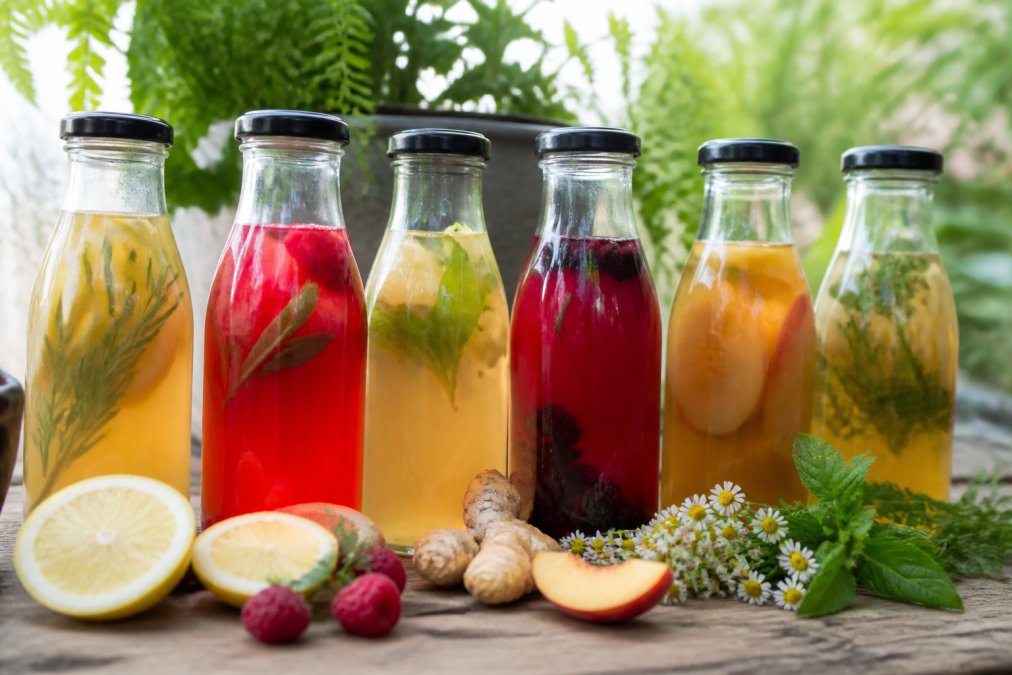
Raw kombucha preserves live cultures; pasteurized versions kill them.
Shrub sodas are vinegar-based fermented drinks creating beneficial bacteria and organic acids. They are less sweet and more versatile.
Drink Balo's raw kombucha and shrub sodas use seasonal farmers market produce at peak ripeness. Each 12-ounce bottle contains about 4 grams of cane sugar, substantially less than most commercial beverages.

Fermented beverages provide probiotics plus hydration and flavor. Use them as part of your overall strategy, not as a complete replacement.
How Long to Take Probiotics for Gut Healing
The timeline for gut healing depends on the severity of your dysbiosis and the approach you're taking.
For mild dysbiosis, most people notice improvements in digestion and energy within 2-4 weeks, with bloating decreasing first.
Significant healing takes 8-12 weeks minimum; some people need 3-6 months to recover from antibiotic-induced dysbiosis or severe inflammation.
Consistency is key, daily reinforcement helps beneficial bacteria establish themselves.
Probiotic-Drug Interactions and Safety Considerations
Probiotics are generally safe, but they interact with several classes of medications beyond antibiotics. Understanding these interactions ensures your probiotic actually works and doesn't interfere with your other treatments.
Antibiotics: Separate probiotic doses by at least 2-3 hours from antibiotics.
Proton Pump Inhibitors (PPIs):
H2 Receptor Antagonists (H2 Blockers):
Selective Serotonin Reuptake Inhibitors (SSRIs):
Immunosuppressant Medications: Consult a healthcare provider before starting probiotics if immunocompromised.
Antifungal Medications:
Anticoagulants and Blood Thinners:
Diabetes Medications:
Temporary Side Effects: Most people tolerate probiotics without adverse effects, but some experience temporary digestive changes during the first week: increased gas, bloating, mild cramping, or changes in bowel frequency.
Allergic Reactions: True allergic reactions to probiotics are rare but possible. If you experience hives, difficulty breathing, throat swelling, or severe digestive distress immediately after taking a probiotic, discontinue use and seek medical attention.
Histamine Sensitivity: Fermented foods and some probiotic strains produce histamine as a byproduct of fermentation.
Choosing the Right Probiotic for Your Needs
To find the best probiotics gut can benefit from, start by identifying your specific health goal. Are you recovering from antibiotic use? Managing IBS symptoms? Supporting general digestive health? Your answer determines which strains matter most.
Evaluate supplements based on these criteria:
- Strain specificity: Does the label name exact strains, or just generic categories?
- CFU count: Aim for 10-50 billion per dose for therapeutic use
- Enteric coating: Does it protect against stomach acid?
- Third-party testing: Has an independent lab verified the CFU count and strain identity?
- Refrigeration requirements: Shelf-stable probiotics are convenient but often less potent
Consider combining approaches. Drink Balo's raw kombucha varieties offer flexibility, choose the flavor that appeals to you and drink consistently. The 8-pack mixed raw kombucha at $45.00 provides variety if you want to rotate flavors, while single-variety packs like the Cherry fig leaf raw kombucha at $24.00 work well for consistent daily intake.

Shrub sodas offer a lighter alternative if kombucha feels too strong. The Santa Rosa plum & grapefruit shrub soda at $18.00 for a 4-pack delivers probiotics, making it ideal for people new to fermented beverages.

Research from the American Gastroenterological Association emphasizes that personalized approaches work better than one-size-fits-all recommendations. Your ideal probiotic depends on your specific dysbiosis pattern, existing diet, and health goals.
Healing your gut takes time and consistency. Whether you choose supplements, fermented foods, or a combination, the key is selecting strains and sources you'll actually use daily. Drink Balo's naturally fermented raw kombucha and shrub sodas make this easier by combining probiotics with flavors you'll actually enjoy drinking. Start with the approach that fits your lifestyle, commit to at least 8-12 weeks, and reassess your symptoms. Most people notice meaningful improvement within that timeframe.
Frequently Asked Questions
What are the best probiotic strains for healing the gut?
Lactobacillus and Bifidobacterium are among the most researched strains for digestive health and gut healing. Saccharomyces boulardii is effective for antibiotic-associated diarrhea. The best probiotic strains depend on your specific condition.
How long does it take for probiotics to improve gut health?
Most people notice initial improvements in digestive symptoms within 2-4 weeks of consistent probiotic use. However, meaningful gut healing typically requires 8-12 weeks or longer, depending on the severity of dysbiosis and your individual microbiome composition.
Are fermented foods better than probiotic supplements?
Both fermented foods and probiotic supplements offer benefits, but they work differently. Fermented foods like kombucha and shrubs provide live cultures alongside prebiotic fiber and bioavailable nutrients, supporting overall digestive health. Raw fermentation preserves more live cultures than commercial pasteurization.
Can probiotics actually heal a damaged gut?
Probiotics can support gut healing by restoring microbial diversity and reducing pathogenic bacteria, but they work best alongside other interventions like dietary changes and stress reduction. Probiotics are most effective as part of a comprehensive approach to restore digestive health, not as a standalone cure.