

Complex Non-Alcoholic Drinks: 7 Flavor Techniques
Table of Contents
- Why Non-Alcoholic Drinks Need Complexity
- The Role of Bitters in Building Depth
- Using Shrubs in Non-Alcoholic Drinks
- Botanicals, Roots, and Barks for Depth
- Best Mixers for Mocktail Recipes
- How to Make Complex Mocktails at Home
- Balancing Sweetness, Acidity, and Bitterness
- Conclusion
Last Updated: August 29, 2026
Why Non-Alcoholic Drinks Need Complexity
The mocktail market has exploded, but most non-alcoholic drinks still taste like oversweetened juice with soda. The real opportunity lies in understanding that complex non-alcoholic drinks demand the same rigor as their alcoholic counterparts. At Drink Balo, we've spent years transforming excess farmers market produce into beverages with genuine depth.
Complexity requires balancing multiple flavor dimensions: acidity, sweetness, bitterness, aromatics, and mouthfeel. Without these layers, you're left with a flat drink despite its sugar content. Sober-curious and health-conscious consumers want sophistication and drinks that work in social settings without apology.
What separates a forgettable mocktail from one people crave comes down to technique and ingredient selection. The seven flavor techniques below have generated consistently impressive results across home entertaining, professional bar programs, and retail formulation.
The Role of Bitters in Building Depth
Bitters transform a flat drink into one with genuine complexity. These concentrated flavor extracts add subtle bitterness that balances sweetness and creates what bartenders call "roundness" on the palate. A few dashes shift the entire character of a zero-proof cocktail without making it taste medicinal.
Bitterness provides contrast. When you add a quarter teaspoon of Angostura to a sweet fruit-forward mocktail, the bitterness acts as a palate-cleansing agent that makes fruit flavors pop (peer-reviewed research). It's the same principle that makes tannins in wine feel structured rather than harsh.
For home bartenders, start with commercial bitters like Angostura or Peychaud's. Then experiment with house-made versions: steep dried citrus peel, gentian root, or wormwood in high-proof alcohol (or glycerin for alcohol-free versions) for 2-4 weeks, then strain and dose carefully. Restraint is where the skill lives.
Using Shrubs in Non-Alcoholic Drinks
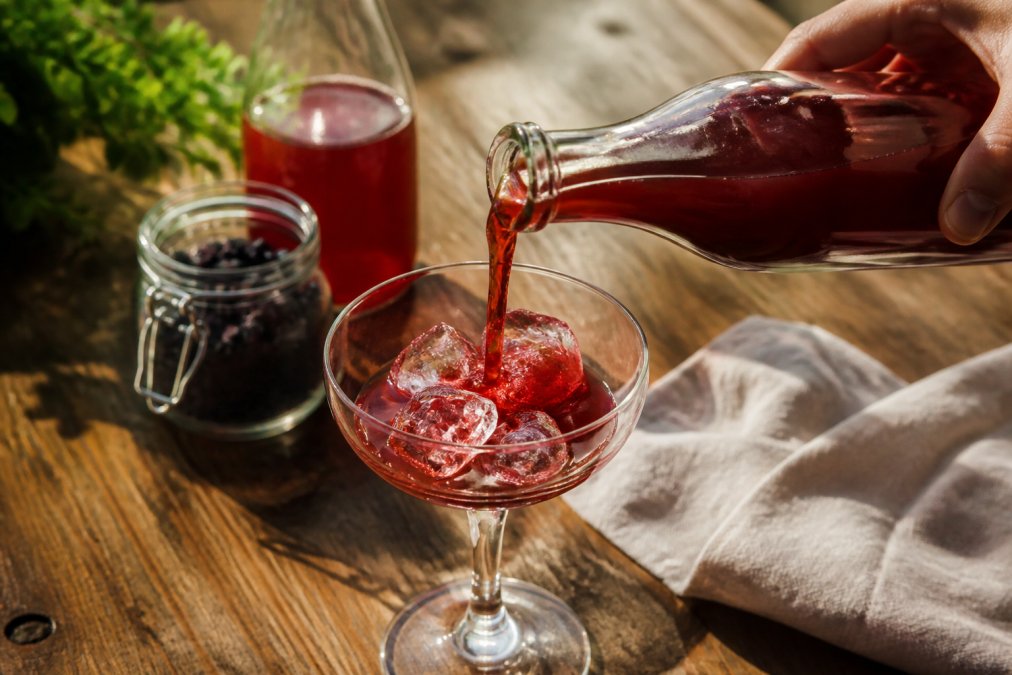
Shrubs are fermented syrups made from fruit, sugar, and vinegar that have become essential to modern mocktail culture. They deliver tartness, complexity, and a subtle fermented character that transforms a simple drink into something with real depth. Unlike fresh juice, which oxidizes quickly, shrubs are shelf-stable and develop flavor over time.
Shrub Basics: Vinegar, Fruit, and Sugar
A shrub starts with a 1:1:1 ratio of fruit, sugar, and vinegar by weight. The fruit breaks down over several days, releasing juice and flavor compounds. The sugar dissolves and preserves the mixture, while the vinegar adds brightness and acts as a preservative.
Cold fermentation (letting the mixture sit in the refrigerator for 5-7 days) develops more nuanced flavors than hot infusions. The acidity combined with natural fermentation creates a probiotic-rich base that supports gut health (peer-reviewed research). Drink Balo's shrub mixers use this cold fermentation approach with seasonal farmers market produce.
To make a basic shrub: combine 1 pound of fresh fruit, 1 pound of sugar, and 1 pound of vinegar in a clean glass jar. Stir daily for 5-7 days, then strain through cheesecloth. The result lasts 6 months refrigerated and makes approximately 16-18 drinks when mixed at a 1-ounce-to-5-ounce ratio with sparkling water and ice.
Building Tartness and Acidity Balance
The acid-adjustment in shrub-based drinks is where most home bartenders stumble. Too much vinegar and the drink tastes like salad dressing. Too little and it falls flat.
Start by tasting your shrub on its own. If it makes your mouth pucker immediately, dilute it with simple syrup at a 3:1 ratio before mixing drinks. If it tastes more like jam, add another tablespoon of vinegar per cup and let it sit for another 2-3 days.
When building a mocktail, use the shrub as your acid anchor. A standard formula is 1 ounce shrub, 5 ounces sparkling water, 0.5 ounces fresh citrus juice, and ice. The combination of fermented acidity plus fresh citrus creates complex tartness that feels sophisticated.
Botanicals, Roots, and Barks for Depth
Botanicals, dried flowers, leaves, roots, and barks, are the secret weapon for adding earthy, spice-forward complexity to zero-proof cocktails. Unlike fruit-forward flavors that fade quickly, botanicals provide sustained aromatic impact and subtle bitterness that rounds out the drink's profile.
Common botanicals include dried citrus peel, juniper berries (for gin-like character), gentian root, wormwood, cardamom pods, star anise, and dried rose petals. Juniper adds piney, resinous character. Cardamom contributes warmth and spice. Rose petals add floral aromatics without sweetness.
The most effective technique is cold infusion. Place botanicals in a glass jar with neutral spirits (or glycerin for alcohol-free versions) and let them sit for 2-4 weeks. Strain through fine mesh, and you have a concentrated botanical extract ready to dose into drinks. A quarter teaspoon per drink is usually enough to shift the flavor profile noticeably. creative beverage ideas.
For immediate results, make a quick botanical tea: steep dried botanicals in hot water for 10-15 minutes, then chill and use as part of your liquid base. Combining both approaches, using a concentrated extract for depth and fresh tea for aromatic brightness, creates the most compelling botanical-forward mocktails.
Best Mixers for Mocktail Recipes
The foundation of any complex non-alcoholic drink is choosing the right mixer. Sparkling water, kombucha, and shrub sodas each bring distinct qualities.
Sparkling water is the neutral base, providing carbonation and mouthfeel without adding flavor. Higher carbonation feels lighter and more refreshing, while lower carbonation creates a softer mouthfeel.
Kombucha adds fermented depth and subtle funk. Its slight tartness and probiotic character make it excellent for fruit-forward mocktails. Raw kombucha, where fermentation is still active, adds additional probiotic benefit and more pronounced fermented character.

Shrub sodas combine the benefits of shrubs with carbonation, creating a ready-to-mix base that handles most of the flavor work.
Fermented Kombucha as a Mixer Base
Raw kombucha brings three critical elements to mocktails: acidity, probiotics, and subtle fermented aromatics. Unlike pasteurized kombucha, which loses most probiotic benefit, raw fermented kombucha maintains active cultures that support digestive health (peer-reviewed research).
When using kombucha as a mixer, treat it like wine in a cocktail, as a component that brings flavor complexity, not just carbonation. A typical formula is 2 ounces kombucha, 1 ounce fresh juice, 0.5 ounces shrub, and ice.
Drink Balo's raw kombucha options, like the Strawberry Fennel Flower raw kombucha or Buddha's Hand Hojicha Raw kombucha varieties, are formulated specifically to work as mixers. The Strawberry Fennel Flower combines floral and fruity notes that complement herbal spirits or botanical extracts. The Buddha's Hand Hojicha brings roasted tea character that works well in earth-forward drinks.

Shrub Mixers for Customizable Cocktails
Shrub mixers are concentrates designed to be mixed at home, giving you control over carbonation level and dilution. One bottle makes 16-18 drinks, reducing prep time significantly.
The advantage over ready-made shrub sodas is customization. If you want stronger flavor, use 1.5 ounces mixer instead of 1 ounce. If you prefer lower carbonation, use still water instead of sparkling.
For a simple mocktail: combine 1 ounce shrub mixer, 5 ounces sparkling water, and ice. For something more complex, add 0.25 ounces fresh lemon juice, a dash of bitters, and fresh rosemary or thyme. Drink Balo's shrub mixers, including Concord grape, lime & guava leaf shrub mixer and Blueberry, moringa, yuzu shrub mixer varieties, are formulated with seasonal farmers market produce, encouraging experimentation and preventing flavor fatigue.
How to Make Complex Mocktails at Home
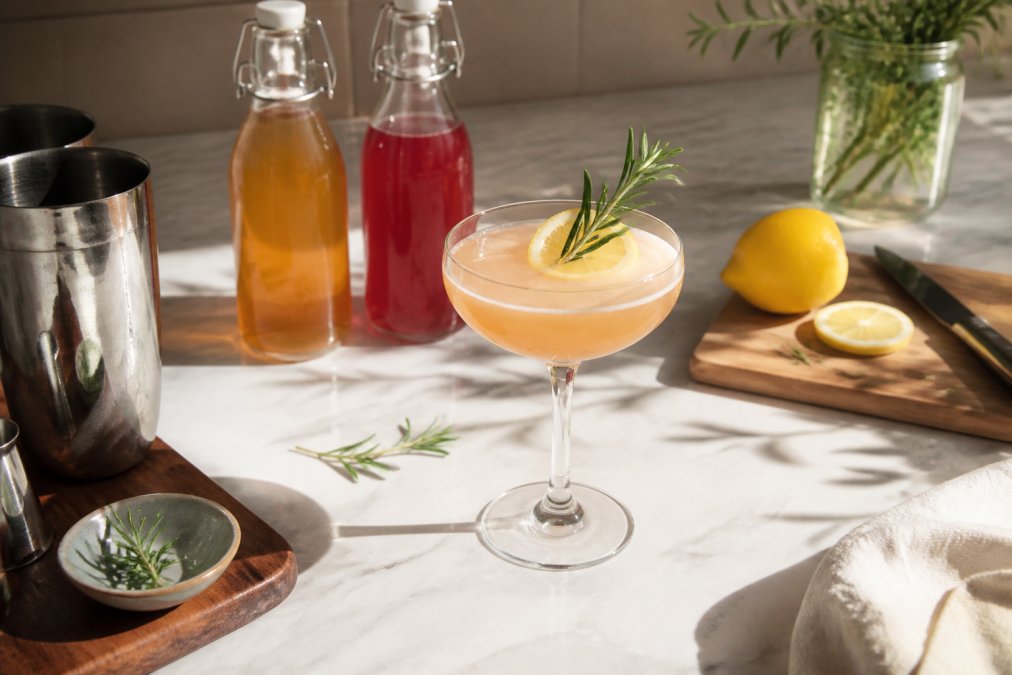
Building a complex mocktail at home follows a four-step process that mirrors professional bar technique.
Step 1: Start with Your Base
Your base is the largest component, typically 3-5 ounces of liquid that provides the primary flavor direction. Choose between sparkling water, kombucha, or shrub soda depending on your priorities.

For a fruit-forward drink with probiotic benefit, use kombucha. For something more controlled and customizable, use a shrub mixer with sparkling water. For maximum complexity with minimal prep, use a ready-made shrub soda.
Step 2: Layer Acidity and Aromatics
Once your base is in the glass with ice, add your acid and aromatic components. Use 0.5 to 1 ounce of fresh juice (lemon, lime, or grapefruit) and 0.25 to 0.5 ounces of shrub if you haven't already used a shrub-based mixer.
Fresh citrus juice provides bright acidity that cuts through sweetness. The shrub contributes fermented tartness and depth. Add any botanical extracts or bitters at this stage, a quarter teaspoon of concentrated botanical infusion or 2-3 dashes of bitters is enough to shift the entire flavor profile. Stir gently to combine.
Step 3: Add Mouthfeel and Texture
Mouthfeel is the physical sensation of drinking. You create it through carbonation level, dilution, and the presence of tannins or other compounds that create texture.
If using sparkling water, carbonation creates mouthfeel automatically. If using still kombucha or shrub, top with sparkling water at the end. A more diluted drink feels lighter and more refreshing, while a more concentrated drink feels heavier and more substantial.
Step 4: Finish with Garnish and Carbonation
The garnish adds aromatic complexity and visual appeal. Fresh herbs like rosemary, thyme, or basil add aromatic notes. Citrus peels add brightness.
Carbonation timing matters. If using sparkling water as your base, you're already carbonated. If using kombucha or still shrub, top with sparkling water at the very end. Chill your glass before building the drink and use fresh ice rather than partially melted cubes.
Balancing Sweetness, Acidity, and Bitterness
The holy trinity of flavor balance in non-alcoholic drinks is sweetness, acidity, and bitterness. Get this right and you have a drink that feels sophisticated and crave-worthy.
Sweetness comes from fruit, sugar, or sweetened mixers. Most people start with too much sweetness. A complex mocktail should have restrained sweetness, just enough to feel balanced.
Acidity creates brightness and prevents the drink from feeling cloying. Fresh citrus juice, vinegar-based shrubs, and kombucha all contribute. The goal is enough acidity to feel refreshing without making the drink taste sour.
Bitterness provides structure and prevents sweetness fatigue. It comes from bitters, botanical extracts, tannins in tea-based mixers, and slight bitterness in fruits like grapefruit or pomegranate. Bitterness should be subtle, a background note that rounds out the drink.
Start with a base that's slightly sweet, add acidity until it feels bright and refreshing, then add bitterness until the sweetness feels balanced. Taste as you go.
A practical example: combine 2 ounces Concord grape, lime & guava leaf shrub soda, 3 ounces sparkling water, 0.5 ounces fresh lemon juice, and 2 dashes of Angostura bitters. The result is a drink where each component plays its role in overall balance.
| Component | Role | Typical Amount | Flavor Impact |
|---|---|---|---|
| Base (kombucha/shrub/sparkling water) | Foundation and primary flavor | 3-5 oz | Sweetness, fermentation, or neutrality |
| Fresh citrus juice | Brightness and acidity | 0.5-1 oz | Tartness and freshness |
| Shrub (if not base) | Depth and fermented complexity | 0.25-0.5 oz | Tartness and fermented character |
| Bitters or botanical extract | Structure and roundness | 0.25 tsp or 2-3 dashes | Bitterness and complexity |
| Garnish | Aromatic finishing touch | Fresh herbs or citrus peel | Subtle flavor and visual appeal |
The shift toward non-alcoholic drinks with complex flavors represents a fundamental change in how people think about beverages. Sober-curious consumers and health-focused professionals want drinks that deliver the same sophistication and depth as cocktails.
What makes this achievable at home is access to quality ingredients. Drink Balo's raw kombucha and shrub mixers are formulated specifically to work as building blocks for complex drinks. When you combine them with fresh citrus juice and a dash of bitters, you're building a genuinely sophisticated drink that rivals anything served in a professional bar. Start with one of these products and experiment with the four-step process outlined above.
Frequently Asked Questions
Q: What makes a non-alcoholic drink taste complex?
A: Complexity in non-alcoholic drinks comes from layering multiple flavor elements: acidity from shrubs or citrus, bitterness from bitters or botanicals, sweetness from natural syrups, and aromatic depth from herbs and spices. Fermented bases like kombucha add umami and tannins that create a sophisticated mouthfeel. The key is balancing these components so no single flavor dominates.
Q: How do shrubs create better non-alcoholic drinks?
A: Shrubs are vinegar-based syrups that add tartness, complexity, and natural preservation. They provide acidity, creating palate-cleansing qualities. Fermented shrubs like those from Drink Balo add probiotics and depth without alcohol. A single ounce of shrub mixer mixed with sparkling water creates a sophisticated drink in seconds, making them ideal for entertaining at home.
Q: Can I make complex mocktails at home without special equipment?
A: Yes. You need only basic tools: a mixing glass, bar spoon, and strainer. Start with a quality mixer like kombucha or shrub soda as your base, add fresh citrus juice, bitters, and a botanical infusion or herbal element. Layer flavors by stirring rather than shaking, taste as you go, and adjust acidity or sweetness. Chill your glass beforehand and use quality ice to maintain proper dilution and mouthfeel.
Q: What's the difference between fermented kombucha and regular shrub sodas?
A: Fermented kombucha contains live cultures and probiotics from the fermentation process, offering functional benefits alongside flavor. Shrub sodas rely on vinegar-based preservation and often contain added carbonation. Both provide complexity and acidity, but kombucha delivers additional depth from tannins and the fermentation byproducts. Raw kombucha varieties like [Strawberry Fennel Flower raw kombucha](https://www.drinkbalo.com/products/product_fd90f097-e7e3-6e40-5aca-4fab423b2610) or [Buddha's Hand Hojicha Raw kombucha](https://www.drinkbalo.com/products/product_cd59cd36-b6d2-2cf3-9d48-81793a7bdbbd) offer adaptogenic ingredients alongside probiotic benefits.
This article was written using GrandRanker