

Sustainable Beverage Brands Worth Buying in 2026
Table of Contents
- What Makes a Sustainable Beverage Brand Worth Your Money
- Sustainable Kombucha Brands That Deliver Real Impact
- Sustainable Soda Brands Built on Waste Reduction
- Drinks Made From Surplus Produce: Sourcing That Matters
- Eco-Friendly Beverage Brands and Packaging Standards
- Price vs. Impact: Is Premium Pricing Justified
- Frequently Asked Questions
Last Updated: October 5, 2026
What Makes a Sustainable Beverage Brand Worth Your Money
When choosing sustainable beverage brands, you're deciding whether a company actually reduces environmental impact or simply markets the idea. A sustainable beverage brand worth buying transforms how it sources ingredients, manages waste, and packages products. At Drink Balo, we focus on three core principles: using excess farmers market produce that would otherwise go to waste, supporting local growers directly, and fermenting beverages without artificial additives.
The real question isn't whether premium pricing is justified, it's whether the brand backs its claims. Look for companies that reduce food waste at scale, use recyclable or refillable packaging, and ferment drinks through natural processes. Transparency matters. Many brands claim sustainability without proving it.
Sustainable Kombucha Brands That Deliver Real Impact
Raw kombucha fermented from real tea and fruit offers genuine probiotic benefits when made through natural fermentation (Checking your browser). Drink Balo's kombucha line starts with cold brew tea and fresh fruit, no shortcuts. Our Cold Brew, Dates & Calamansi Raw Kombucha ($24.00 for a 4-pack of 12 oz bottles) includes approximately 80mg of caffeine and delivers adaptogenic, probiotic benefits through natural fermentation. Each bottle contains 4 grams of cane sugar and stays fresh for up to 9 months refrigerated. The Strawberry Fennel Flower Raw Kombucha ($24.00) and Cherry Fig Leaf Raw Kombucha ($24.00) follow the same formula, naturally fermented, no additives, real fruit.

What separates these from commodity kombucha brands is the sourcing. We use excess farmers market produce, which means supply varies seasonally and flavors rotate. That's proof the product reflects actual ingredient availability rather than year-round industrial sourcing. Raw fermentation takes time and creates live cultures. Brands that pasteurize their kombucha after fermentation kill the probiotics, defeating the purpose. Drink Balo keeps everything raw and refrigerated to preserve the living cultures you're paying for.
Sustainable Soda Brands Built on Waste Reduction
Shrub sodas, fermented drinks made from fruit vinegar and botanicals, deliver flavor and functional benefits without the alcohol or excessive sugar of traditional sodas. Drink Balo's shrub sodas start at $18.00 for a 4-pack of 8.5 oz bottles and include flavors like Santa Rosa Plum & Grapefruit Shrub Soda and Melon Satsuma Mandarin Shrub Soda. Each contains 4 grams of cane sugar, adaptogens, and probiotics, staying fresh for 9 months refrigerated. The 6 Pack Shrub Soda ($27.00) offers better value for regular consumers.

The environmental advantage of shrub sodas lies in ingredient sourcing. A shrub soda brand that sources from farmers markets and uses seasonal, excess produce actively reduces food waste. When a fruit crop doesn't meet size or appearance standards for retail sale, it becomes waste, unless a beverage company buys it. That's the business model Drink Balo operates on. Every bottle represents produce that would have been discarded.
Drinks Made From Surplus Produce: Sourcing That Matters
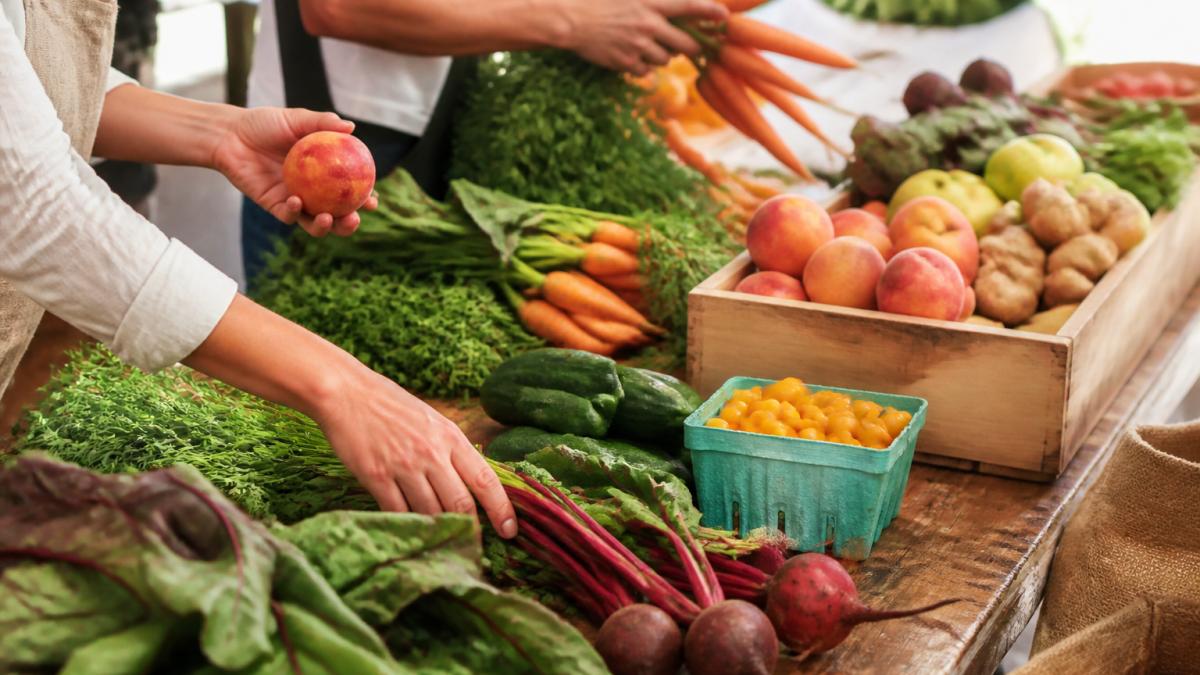
The supply chain for sustainable beverages determines everything about environmental impact. Drink Balo buys directly from farmers markets, sourcing produce that didn't meet retail standards, too small, slightly misshapen, or simply surplus to what stores could sell.
This sourcing model creates three concrete benefits. First, it reduces food waste at the point of origin. Farmers don't have to compost unsold produce; they have a buyer. Second, it supports local growers directly. The money goes to farmers, not middlemen. Third, it guarantees freshness and flavor. Produce bought the same day it's harvested tastes better and ferments better than fruit that's traveled through distribution networks.
When you rely on farmers market supply, your inventory depends on seasonal availability. Drink Balo's flavor lineup changes with the season. That's evidence the sourcing is real. Shrub mixers like our Blueberry, Moringa, Yuzu Shrub Mixer ($19.50) and Passionfruit & Lemongrass Shrub Mixer ($19.50) extend this model further. Each bottle makes 16-18 drinks when mixed with sparkling water and ice. The concentrate format reduces packaging volume and transportation emissions compared to ready-to-drink beverages.

| Sourcing Model | Impact | Cost to Brand | Cost to Consumer |
|---|---|---|---|
| Industrial supply chain | Consistent, high volume, minimal waste reduction | Lower | Lower |
| Farmers market direct | Seasonal, surplus produce diverted from waste, local support | Higher | Higher |
| Hybrid (mostly industrial) | Modest waste reduction claims, inconsistent environmental benefit | Medium | Medium |
The sustainability claim only holds when a brand commits to direct sourcing relationships.
Eco-Friendly Beverage Brands and Packaging Standards
Packaging determines how much of a beverage's environmental impact happens after you finish drinking it. Glass bottles are recyclable but heavy. Aluminum cans are lightweight and infinitely recyclable. Plastic is cheap but persists in landfills for decades. What matters is whether the brand's claims are independently verified and whether your local infrastructure actually supports the packaging format.
Drink Balo uses glass bottles for kombucha and shrub sodas. Glass is fully recyclable, inert, and keeps beverages fresh without requiring preservatives. For a brand committed to local sourcing and regional distribution, the weight tradeoff makes sense. The emissions saved by not shipping products across the country offset the weight penalty of glass. Shrub mixers use glass bottles designed for concentrate, which means less total packaging per drink. Our 3-Pack Shrub Mixer ($55.00) provides three bottles, each making 16-18 servings, approximately 48-54 drinks from three glass bottles.
Verifying Packaging Claims: What to Look For
Many beverage brands claim sustainability without third-party verification. When evaluating a brand's packaging practices, look for these markers of substantive action:
- B Corp Certification: Issued by B Lab, this certification audits a company's environmental and social impact across operations, supply chain, and materials. It requires independent verification and annual recertification.
- Cradle to Cradle Certification: This standard evaluates material health, material reutilization, renewable energy, water stewardship, and social fairness. A beverage brand with Cradle to Cradle certification for its packaging has submitted to third-party assessment of that material's lifecycle.
- Carbon Trust Standard: This certification verifies that a company has measured its carbon footprint and committed to reduction targets.
- Sustainable Packaging Coalition (SPC) Membership: Membership indicates a brand is aligned with industry best practices for packaging design and material selection.
Red Flags: Greenwashing in Beverage Packaging
Several terms appear on beverage packaging but lack regulatory definition or third-party verification:
- "Eco-friendly" or "green": These terms have no legal definition. Any brand can use them without evidence.
- "Compostable" without certification: Compostable packaging only breaks down in industrial composting facilities, which don't exist in most municipalities. Look for certification from the Biodegradable Products Institute (BPI) and verify your local facility accepts it.
- "Recyclable" without context: Verify that your local waste management system accepts the material. Contact your local waste authority before assuming a package will be recycled.
- "Made from recycled materials" without percentage: A bottle "made from recycled materials" might contain 5 percent recycled content and 95 percent virgin plastic. Look for specific percentages.
- "Carbon neutral" without third-party verification: Carbon neutrality claims often rely on carbon offsets, which are difficult to verify. Ask whether the brand has measured actual emissions reductions or only purchased offsets.
Lifecycle Impact Beyond Material
Packaging material is only one part of a beverage's environmental footprint:
- Production emissions: Manufacturing glass requires high heat; aluminum requires significant electricity. A brand's energy source (renewable vs. grid) affects the material's total impact.
- Transportation weight: A heavier package increases emissions per mile shipped. Local brands using glass may have lower total emissions than distant brands using lightweight plastic.
- Refrigeration requirements: Refrigerated transport and retail display add significant emissions. A shelf-stable beverage in any material may have lower total impact than a refrigerated beverage in lighter packaging.
- End-of-life infrastructure: The most sustainable packaging is the packaging that actually gets recycled in your region. If a brand uses novel packaging, verify that your local infrastructure accepts it. Otherwise, it's landfill regardless of its environmental design.
The most sustainable packaging is the packaging that gets recycled in your region AND comes from a brand with verified environmental claims. Choose materials with third-party certification from brands operating locally. Novel materials only work if your local infrastructure supports them. ::: Applying these same rigorous standards to your morning ritual helps you identify sustainable coffee brands that prioritize both ethical sourcing and responsible waste management.
Price vs. Impact: Is Premium Pricing Justified
A 4-pack of Drink Balo kombucha costs $24.00. A 4-pack of mass-market kombucha costs $12.00 to $16.00. The price difference is roughly 50 percent.
4 pack Santa Rosa plum & grapefruit shrub soda →
A Scoring Framework for Sustainable Beverage Brands
When evaluating whether premium pricing aligns with actual environmental benefit, assess brands across five dimensions:
1. Sourcing Impact (Weight: 25%) Does the brand source locally, use surplus produce, maintain direct grower relationships, and publish sourcing transparency? Award points if the brand sources locally (2 points), uses surplus produce (2 points), maintains direct grower relationships (1 point), and publishes sourcing transparency (1 point). Maximum: 6 points.
2. Production Emissions (Weight: 20%) Does the brand use renewable energy, ferment naturally, measure and publish carbon footprint, and have a documented emissions reduction target?
3. Packaging and Waste (Weight: 25%) What material does the brand use? Does it have third-party certified packaging? What percentage is recycled content?
4. Water and Resource Use (Weight: 15%) Does the brand measure water use per liter, use organic ingredients, and publish water reduction targets?
5. Labor and Supply Chain Transparency (Weight: 15%) Does the brand publish labor practices, use third-party audits, and support fair compensation models?
Total Possible Score: 25 points
A brand scoring 20-25 points justifies premium pricing because it demonstrates measurable impact across multiple dimensions. A brand scoring 10-15 points may have strong marketing but weak substantive practices.
Drink Balo's practices align with this framework: direct farmers market sourcing, natural fermentation, glass bottles, and direct grower relationships.
Applying the Framework to Your Purchase Decision
When comparing beverage brands at different price points, ask each brand for their practices across these five dimensions.
The price difference reflects real costs. Direct sourcing from farmers markets requires relationships, logistics, and willingness to work with seasonal inventory. Natural fermentation takes time.
For consumers, the decision comes down to values and budget.
Frequently Asked Questions
What makes a sustainable beverage brand actually sustainable?
A truly sustainable beverage brand addresses multiple environmental factors: sourcing from local suppliers to reduce transport emissions, using surplus or rescued produce to cut food waste, employing recyclable or compostable packaging, and maintaining transparent supply chains. Look for brands that document their waste reduction metrics and support local growers directly. Many brands make sustainability claims without third-party verification, so independent certifications or published impact reports matter more than marketing language alone.
Are kombucha and shrub sodas better alternatives to alcohol for social drinking?
Kombucha and shrub sodas offer a sophisticated, flavorful alternative without alcohol. They deliver the ritual and complexity of traditional drinks, fermented depth, botanical notes, and carbonation, while keeping you sober. Many sober-curious drinkers find the naturally fermented taste and functional ingredients (probiotics, adaptogens) more satisfying than standard sodas. They work well as mixers or standalone drinks at social gatherings, though availability and flavor consistency vary by brand.
How do drinks made from surplus produce reduce food waste?
Surplus produce, items rejected by retailers due to cosmetic imperfections or overstock, would otherwise go to landfill. Beverage brands that source this produce directly from farmers markets or distributors redirect food that's perfectly edible into finished products. This supports local growers financially, prevents methane emissions from decomposition, and creates a closed-loop system where excess becomes a resource. Each bottle represents waste prevented and farmer income preserved.
Why are sustainable beverage brands more expensive than mass-market options?
Premium pricing reflects real costs: small-batch fermentation takes time, local sourcing commands higher prices than commodity ingredients, glass bottles cost more than plastic, and transparent supply chains require direct relationships with growers. Mass-market brands achieve lower prices through scale, synthetic ingredients, and long supply chains. If you're buying sustainable beverages, you're paying for measurable environmental benefit, local economic support, and typically higher-quality fermentation and ingredients, not just branding.
How long do fermented beverages stay fresh, and do they need refrigeration?
Raw fermented beverages like kombucha and shrub sodas require continuous refrigeration to slow fermentation and preserve shelf life. Most stay fresh for 9 months refrigerated from production. Once opened, shrub mixers typically remain good for 6 months refrigerated, while kombucha and sodas should be consumed within days to weeks after opening, depending on carbonation loss and flavor preference. Always check the label for specific guidance, as fermentation continues slowly even when cold.