

Best Non-Alcoholic Fermented Drinks for Gut Health
Table of Contents
- What Are Fermented Drinks and Why They Matter for Digestive Health
- How Probiotics and Lactic Acid Bacteria Support Your Microbiome
- Benefits of Raw Kombucha for Gut Health and Metabolic Wellness
- Shrub Soda Health Benefits and Digestive Support
- Best Mixers for Mocktail Recipes Using Fermented Beverages
- Sugar Content and Storage: What You Need to Know
- Who Should Be Cautious: Health Conditions and Contraindications
- Conclusion
- Frequently Asked Questions
Last Updated: September 21, 2026
What Are Fermented Drinks and Why They Matter for Digestive Health
Fermented drinks are beverages created through a natural fermentation process where beneficial bacteria and yeast transform sugars and other compounds into organic acids, probiotics, and other bioactive compounds. At Drink Balo, we craft non-alcoholic fermented drinks that harness this ancient preservation method to deliver both flavor and functional benefits for digestive wellness.
The fermentation process isn't just about preservation. When lactic acid bacteria colonize a beverage, they produce live cultures that support your gut microbiota. This microbial balance directly influences how your body absorbs nutrients, manages inflammation, and supports immune function. The best non-alcoholic fermented drinks for gut health contain these living organisms in meaningful quantities, making them functional beverages rather than just flavored water.
What makes fermented drinks different from standard beverages is their enzyme content and organic acid profile. During fermentation, microorganisms break down complex compounds into simpler forms your digestive system can readily process. This bioavailability improvement means your body extracts more nutritional value from each sip. Research from the American Journal of Clinical Nutrition highlights how fermented foods support nutrient absorption and metabolic health.
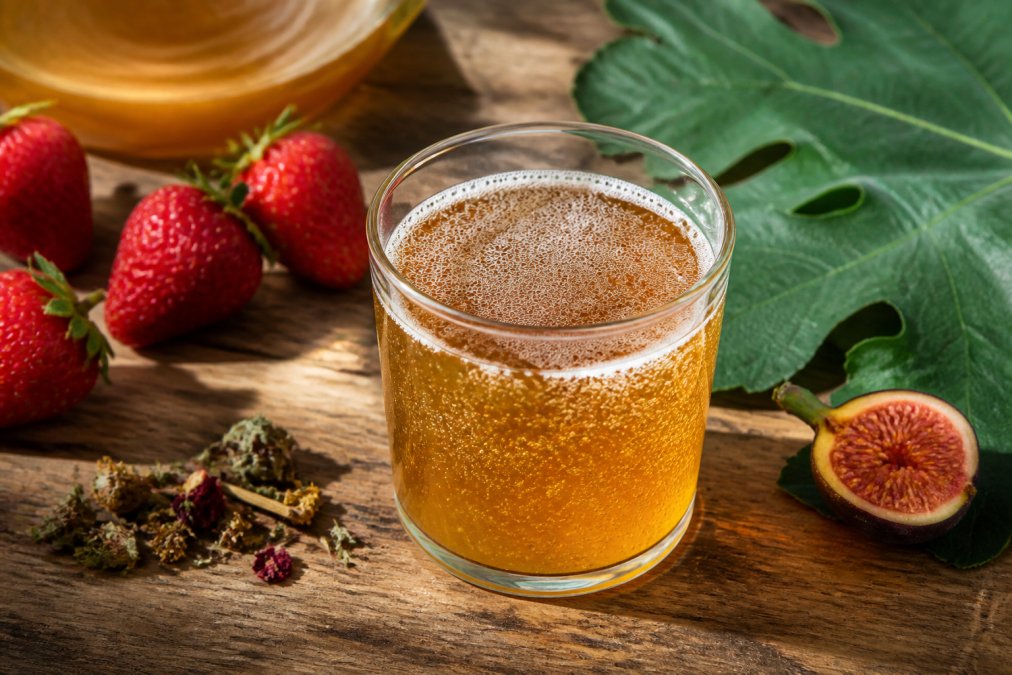
The gut-brain axis, the bidirectional communication between your digestive system and nervous system, responds directly to the health of your microbiome. When you consume fermented beverages with active cultures, you're actively supporting this critical connection. This is why many health-conscious individuals prioritize these drinks as part of their daily wellness routine rather than occasional indulgences.
How Probiotics and Lactic Acid Bacteria Support Your Microbiome
Probiotics are live microorganisms that, when consumed in adequate amounts, confer health benefits to the host. In fermented drinks, these are primarily lactic acid bacteria (LAB) and select yeast strains that have been naturally selected through the fermentation process.
Lactic acid bacteria produce lactic acid as a metabolic byproduct, which lowers the pH of the beverage and creates an acidic environment hostile to harmful pathogens. This same acidic environment also feeds your beneficial bacteria, creating a self-sustaining ecosystem in your gut.
Microbial diversity matters enormously for gut health.
Benefits of Raw Kombucha for Gut Health and Metabolic Wellness
Raw kombucha is a fermented beverage created from sweetened tea by a specific culture of bacteria and yeast. It is rich in probiotics, organic acids, and bioactive compounds.

During kombucha fermentation, the SCOBY (symbiotic culture of bacteria and yeast) consumes sugar, transforming it into beneficial acids and gases. This sugar reduction makes kombucha different from typical sweetened beverages. Drink Balo's raw kombucha products contain just 4 grams of cane sugar per 12-ounce bottle, making them a genuinely functional choice rather than a dessert drink.
The organic acids in raw kombucha, including acetic, gluconic, and lactic acids, lower the pH of your digestive tract, creating conditions where beneficial bacteria thrive.
Drink Balo's 12-pack raw kombucha is adaptogenic. Adaptogens help your body manage stress responses, which can impact gut health. The combination of probiotics plus adaptogens creates a comprehensive wellness beverage.
Shrub Soda Health Benefits and Digestive Support
Shrub sodas represent a less common but equally valuable category within the best non-alcoholic fermented drinks for gut health. A shrub is a drinking vinegar, a fruit syrup fermented with vinegar to create a concentrated, tangy mixer or standalone beverage. Unlike kombucha's tea base, shrubs build their probiotic profile through direct fermentation of fruit and botanicals.
The fermentation of fruit creates an environment where beneficial bacteria multiply. The acidity of shrub sodas supports digestive enzyme production and promotes healthy stomach acid levels.
Shrub sodas shine in their botanical diversity. Drink Balo's Santa Rosa plum & grapefruit shrub soda combines the natural pectin from fruit with fermented probiotics, creating a beverage that supports both microbial balance and digestive regularity.

The concentrated nature of shrub sodas means you consume less total liquid while receiving fermented benefit. The flavor intensity also makes shrubs natural mixers for sophisticated non-alcoholic beverages at home entertaining.
| Fermented Drink Type | Probiotic Count | Best For | Flavor Profile |
|---|---|---|---|
| Raw Kombucha | High (billions per serving) | Daily wellness routine | Tangy, slightly sweet |
| Shrub Soda | Medium-High (millions per serving) | Digestive support, entertaining | Fruity, acidic, concentrated |
| Water Kefir | High (billions per serving) | Dairy-free probiotic option | Mild, customizable |
| Beet Kvass | Medium (millions per serving) | Liver support, mineral intake | Earthy, savory |
Best Mixers for Mocktail Recipes Using Fermented Beverages
Fermented beverages can serve as mixers that add complexity and functional benefit to mocktails. The best non-alcoholic fermented drinks for gut health work beautifully in creative beverage applications.

Kombucha's carbonation and acidity make it an ideal base for mocktails requiring structure and depth. The slight sweetness and tang complement citrus, ginger, and herbal ingredients without overwhelming delicate flavor profiles. A simple mocktail of kombucha, fresh lemon juice, and muddled mint creates a beverage that tastes sophisticated while delivering probiotic benefit.
Shrub sodas excel as flavor anchors in more complex recipes. Their concentrated fruit and botanical profiles mean a small amount creates significant flavor impact. Drink Balo's Passionfruit Makrut lime shrub soda transforms a simple sparkling water base into a tropical mocktail worthy of upscale venues.
When hosting, consider layering fermented beverages with complementary flavors. The fermented elements can add notes that make non-alcoholic beverages feel substantial and intentional.
The key to exceptional fermented beverage mocktails is respecting the fermented components as primary ingredients rather than afterthoughts. Build recipes around their existing flavor profiles rather than trying to mask them. This approach produces delicious drinks that can support your gut health. Consistent consumption of these complex elixirs integrates seamlessly into broader daily habits for gut health that sustain long-term digestive vitality.
Sugar Content and Storage: What You Need to Know
Sugar content represents the most misunderstood aspect of fermented beverages. Many consumers assume fermented drinks contain excessive sugar, but the fermentation process fundamentally transforms the sugar profile. Understanding this distinction changes how you evaluate these beverages.
During fermentation, bacteria consume sugar as their primary energy source. The culture consumes the majority of the added sugar, converting it into beneficial acids and carbonation. Drink Balo's raw kombucha products contain 4 grams of cane sugar per 12-ounce bottle. This minimal residual sugar can feed beneficial bacteria.
Shrub sodas similarly rely on fermentation to reduce sugar content. The initial fruit syrup contains natural sugars, but fermentation transforms these into organic acids and probiotics. The final product tastes fruity and slightly sweet while containing minimal residual sugars.
Storage directly impacts both sugar content and probiotic viability. Raw fermented beverages must remain refrigerated to slow microbial activity and preserve live cultures. Drink Balo's products maintain viability for 9 months when refrigerated properly. Room temperature storage accelerates fermentation, potentially increasing carbonation pressure.
The cold chain matters. Fermented beverages shipped at warm temperatures experience accelerated fermentation, which can change flavor profiles and carbonation levels. Local fermented beverages like those from Drink Balo benefit from minimal transit time, which preserves the intended fermentation state.
Who Should Be Cautious: Health Conditions and Contraindications
While fermented beverages offer significant benefits for most people, certain health conditions warrant caution or medical consultation before regular consumption. Understanding these contraindications ensures you make informed decisions about your wellness routine.
Individuals with histamine sensitivity or diagnosed histamine intolerance should approach fermented beverages carefully (pubmed.ncbi.nlm.nih.gov). The fermentation process naturally increases histamine content as bacteria break down amino acids. For people with conditions affecting histamine metabolism, fermented beverages can trigger symptoms.
Those with compromised immune systems should consult healthcare providers before consuming raw fermented beverages. While probiotics benefit most people, immunocompromised individuals may experience adverse reactions to live cultures. Pasteurized versions eliminate this concern but also remove the probiotic benefit.
Small intestinal bacterial overgrowth (SIBO) represents another consideration (pubmed.ncbi.nlm.nih.gov). While fermented beverages can support healthy bacteria, people with SIBO may experience symptom flares from the fermentation byproducts or from introducing additional bacterial strains. For this population, starting with small amounts under medical supervision makes sense.
Individuals taking certain medications should discuss fermented beverage consumption with their healthcare provider.
Conclusion
The best non-alcoholic fermented drinks for gut health deliver living probiotics, beneficial organic acids, and bioactive compounds. These represent a functional category backed by centuries of traditional use.
Frequently Asked Questions
What is the best fermented drink for gut health?
Raw kombucha and shrub sodas are among the best fermented drinks for gut health because they contain live cultures of probiotics and lactic acid bacteria that support microbiome diversity. Raw kombucha offers adaptogenic benefits with approximately 4 grams of cane sugar per 12 oz serving, while naturally fermented shrub sodas provide similar probiotic benefits in smaller 8.5 oz portions. The best choice depends on your preference for caffeine content and flavor profile.
How do probiotics in fermented drinks improve digestive health?
Probiotics are live beneficial bacteria that colonize your gut microbiota, improving nutrient absorption and supporting the gut-brain axis. During fermentation, lactic acid bacteria break down sugars and produce organic acids and enzymes that enhance digestion. These microorganisms also promote metabolic health by reducing inflammation and supporting a balanced microbial environment, which helps reduce bloating and supports overall digestive function.
Are there health conditions where I should avoid fermented drinks?
People with certain conditions should consult a healthcare provider before consuming fermented drinks. Those with compromised immune systems should exercise caution, as the influx of new bacterial strains can temporarily worsen symptoms. Additionally, individuals taking specific medications or with histamine sensitivity should be aware that fermentation produces histamines, which may trigger reactions in sensitive individuals.
What makes raw kombucha different from store-bought alternatives?
Raw kombucha is naturally fermented without pasteurization, meaning it retains live cultures and active enzymes that support digestive health. The fermentation process creates organic acids. Raw varieties maintain shelf stability for up to 9 months when refrigerated, and products made from excess farmers market produce offer added environmental and nutritional benefits.