

Low Sugar Probiotic Drinks for Gut Health: 2026 Guide
Table of Contents
- What Are Low Sugar Probiotic Drinks and Why They Matter
- Benefits of Fermented Beverages for Digestion
- How to Read Nutrition Labels for Probiotic Drinks
- Kombucha vs Shrub Soda: Two Fermented Paths to a Healthier Gut
- Probiotic Drink vs Probiotic Supplement: Which Fits Your Routine
- Ingredients to Avoid and How Much to Drink Daily
- Why Drink Balo Makes Low Sugar Probiotic Drinks for Gut Health
- Frequently Asked Questions
Last Updated: September 16, 2026
What Are Low Sugar Probiotic Drinks and Why They Matter
Low sugar probiotic drinks are beverages that deliver live microorganisms with minimal added sugar, typically under 5 grams per serving. This guide from Drink Balo breaks down what the labels actually mean, which strains matter, and how to choose a drink that supports your gut without spiking your blood sugar.
Live Microorganisms, CFUs, and What the Label Doesn't Tell You
Colony-forming units (CFUs) measure how many live bacteria a product contains at the time of testing. A label claiming "1 billion CFUs" tells you nothing about whether those organisms survive your stomach acid or reach your colon intact.
Strain-Level Efficacy: Why "Probiotics" on a Label Isn't Enough
This is the gap most guides skip. "Probiotics" is a category, not an ingredient. Two drinks can both list Lactobacillus and behave completely differently in your gut because the genus contains dozens of species and hundreds of strains, and the research is strain-specific, not genus-specific.
- Lactobacillus rhamnosus GG, one of the most-researched strains; commonly associated with supporting digestive comfort and immune function.
- Lactobacillus acidophilus, widely used in fermented dairy; often studied for lactose digestion and general gut balance.
- Bifidobacterium lactis (sometimes B. animalis subsp. lactis), frequently studied for its ability to survive transit and colonize the large intestine.
- Bacillus coagulans, a spore-forming strain that survives shelf storage unusually well, which is why it shows up in shelf-stable drinks.
Why the Sugar-to-Strain Ratio Is the Real Trade-Off
Here's the part the marketing hides. Live cultures need something to eat. In a fermented drink, residual sugar is often what keeps the bacteria alive on the shelf. Strip too much sugar out and you can end up with a drink that's low-sugar on paper but has a fading live-culture count by the time you open it.
Benefits of Fermented Beverages for Digestion
Fermented beverages support digestion by introducing live bacteria that help break down food and balance your gut flora. Many people find that regular consumption reduces bloating and improves regularity within a few weeks. Cultivating this internal ecosystem extends beyond the digestive tract, as consistent oral microbiome support plays a foundational role in maintaining systemic health.
The Gut-Brain Axis and Immune Support Connection
The gut-brain axis is the bidirectional communication network linking your digestive system and your brain. A large share of your immune tissue also sits in the gut, which is why digestive health and immune support are so tightly connected (The Interplay between the Gut Microbiome and the Immune System in the Context of...).
How to Read Nutrition Labels for Probiotic Drinks
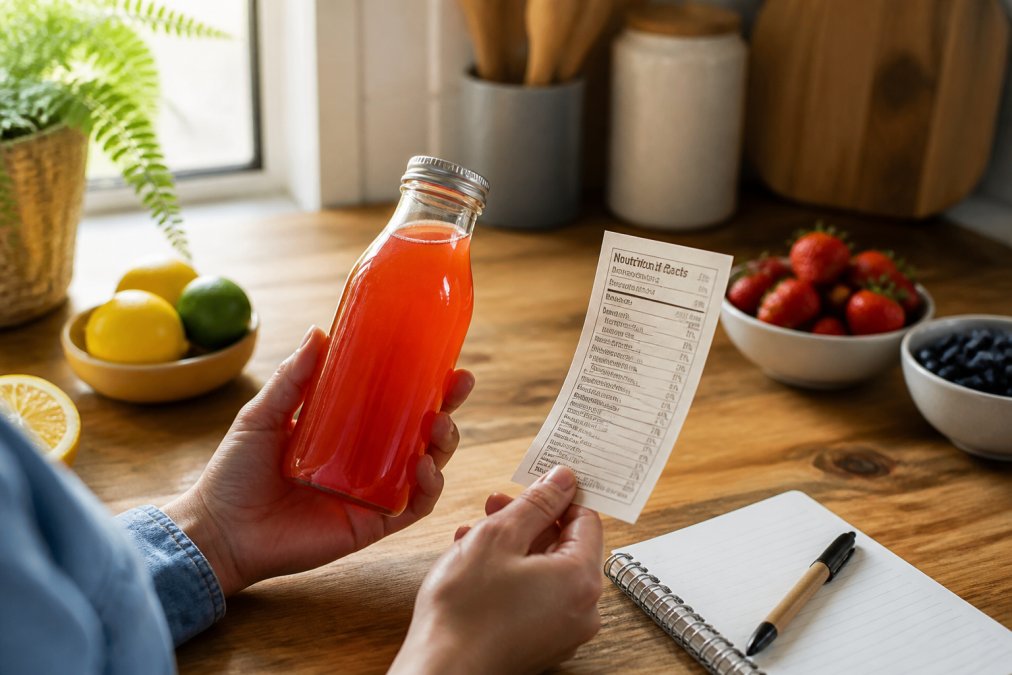
Reading a nutrition label for probiotic drinks means checking three things: added sugar, serving size, and CFU count. Most shoppers only look at the first, and that's where the mistakes start.
Added Sugar vs Natural Sugar: What the Numbers Actually Mean
Added sugar is sugar introduced during processing. Natural sugar occurs in the fruit or dairy used to make the drink. Your body processes both, but drinks with high added sugar tend to spike blood sugar faster and feed less desirable bacteria.
Kombucha vs Shrub Soda: Two Fermented Paths to a Healthier Gut
Kombucha and shrub soda are both fermented, but they get there differently. Kombucha ferments tea with a symbiotic culture of bacteria and yeasts. Shrub soda ferments fruit with sugar and vinegar, producing a tart, concentrated base that's diluted into a drink.
| Feature | Kombucha | Shrub Soda |
|---|---|---|
| Base | Sweetened tea | Fruit and vinegar |
| Fermentation culture | SCOBY (bacteria + yeast) | Wild or added cultures |
| Typical flavor | Tangy, slightly fizzy | Tart, fruit-forward |
| Caffeine | May contain trace amounts | Caffeine-free |
| Sugar control | Varies widely by brand | Easier to keep low |
Probiotic Drink vs Probiotic Supplement: Which Fits Your Routine
A probiotic drink delivers live cultures through a food matrix, while a supplement delivers them in a capsule. The drink usually wins on bioavailability because fermented food sources often help bacteria survive the trip through your digestive system.
Bioavailability and the Case for Fermented Food Sources
Bioavailability refers to how much of a nutrient or organism your body can actually absorb and use. Fermented drinks often outperform capsules here because the food matrix protects bacteria through stomach acid.
Ingredients to Avoid and How Much to Drink Daily
Scan for these on any probiotic beverage label:
- Artificial sweeteners like sucralose and aspartame, which some research links to unfavorable shifts in gut flora
- Sugar alcohols like erythritol, xylitol, and sorbitol, which are common in "zero sugar" drinks and can cause digestive distress at higher doses
- High-fructose corn syrup, which adds sugar without any fermentation benefit
- Artificial colors and preservatives, which can work against the live cultures you're paying for
- "Natural flavors" with no further detail, since the term is loosely regulated
For daily intake, most people do well with one 8 to 12 ounce serving per day. Starting smaller and building up is the safer approach if you're new to fermented drinks.
The Sweetener Problem: How "Low Sugar" Is Achieved Matters More Than the Number
This is the section most guides get wrong. A drink can hit "2 grams of sugar" three completely different ways, and each one interacts with your gut differently.
How to Read the Sweetener Line Like a Label Detective
When you flip the bottle, look at the ingredient list, not just the nutrition panel. The nutrition panel tells you how much sugar; the ingredient list tells you how the drink got there.
- If the only sweetener is fruit or cane sugar and the drink is fermented, the low number is likely real fermentation.
- If you see stevia, monk fruit, sucralose, aspartame, or acesulfame potassium, the drink is low-sugar by substitution, not by fermentation.
- If you see erythritol, xylitol, sorbitol, or maltitol, expect possible digestive effects, especially in the first week.
- If you see "natural flavors" with no strain names and no CFU count, treat the probiotic claim as marketing until proven otherwise.
How Much Should You Actually Drink?
Most people do well with one 8 to 12 ounce serving per day. If you're new to fermented drinks, start with half a serving for the first week and build up, the live cultures and any residual sugar alcohols can both cause temporary bloating if you jump in too fast.
A few practical notes:
- Timing: many people drink theirs with or after a meal, which can be gentler on an empty stomach.
- Consistency beats volume: a small daily serving tends to matter more than a large occasional one.
- Give it two to four weeks before judging whether a specific drink works for you.
- If you're immunocompromised or pregnant, talk to a healthcare provider before adding live-culture drinks, since the safety guidance differs for these groups.
Why Drink Balo Makes Low Sugar Probiotic Drinks for Gut Health
Drink Balo is a Los Angeles-based beverage company that crafts non-alcoholic raw kombucha and shrub sodas, each with just 4 grams of cane sugar per serving. The company transforms excess farmers market produce into drinks, supporting local growers and reducing food waste with every bottle.
Frequently Asked Questions
What is the healthiest low-sugar probiotic drink?
The healthiest option is one with live bacterial strains, no artificial sweeteners, and 5 grams of added sugar or less per serving. Raw kombucha and shrub sodas made with cane sugar fit this profile. Drink Balo's raw kombucha and shrub sodas each contain 4 grams of cane sugar per 8.5 to 12 oz serving, are naturally fermented, and carry no alcohol. Check the label for CFU counts and avoid drinks with sucralose or aspartame, which can disrupt gut flora.
How much sugar should I look for in a probiotic drink?
Aim for 5 grams of added sugar or fewer per serving. The CDC and dietary guidelines recommend keeping added sugar under 10% of daily calories, roughly 50 grams on a 2,000-calorie diet. Many kombucha brands hide 12 to 16 grams per bottle, which spikes blood sugar and cancels out some probiotic benefits. A 4-gram option like Drink Balo's shrub soda or kombucha keeps you well within that daily limit without sacrificing flavor.
Do probiotic drinks actually improve gut health?
Yes, when the drink contains live microorganisms in sufficient colony-forming units (CFUs). Fermented beverages deliver live bacteria and yeasts that support digestion, immune function, and the gut-brain axis. The catch is consistency: you need regular daily intake, not an occasional bottle. Look for raw, unpasteurized options, since pasteurization kills the cultures. Pairing a low sugar probiotic drink with prebiotic foods like garlic, oats, and bananas feeds those bacteria so they thrive.
Can probiotic drinks help with bloating and digestion?
They can. The live bacteria in fermented drinks help break down food, reduce inflammation, and balance gut flora, which often eases bloating over time. That said, carbonation itself can cause temporary bloating in sensitive people. If you are prone to it, start with a small serving, around 4 to 6 oz, and increase gradually. Shrub sodas tend to be gentler than highly carbonated kombucha because their fermentation is slower and the sugar content stays low.
Are shrub sodas and kombucha good sources of probiotics?
Both are excellent sources when they are raw and unpasteurized. Kombucha ferments tea with a SCOBY, producing a mix of bacteria and yeasts. Shrub sodas ferment fruit, sugar, and vinegar, creating their own probiotic profile. Drink Balo makes both: a cherry fig leaf raw kombucha and a blueberry moringa yuzu shrub soda, each with 4 grams of cane sugar and live cultures. The key is buying brands that skip pasteurization and list CFUs on the label.
What are the signs of a high-quality probiotic beverage?
Four markers separate a quality product from a sugary impostor: live and active cultures listed on the label, a CFU count (ideally 1 billion or more per serving), no artificial sweeteners or preservatives, and 5 grams or less of added sugar. Raw, refrigerated bottles beat shelf-stable ones because heat treatment kills bacteria. Third-party testing for strain identity and purity is a bonus. Drink Balo's raw kombucha and shrub sodas check these boxes, with 4 grams of cane sugar and natural fermentation.
What is the difference between probiotic drinks and probiotic supplements?
Supplements deliver concentrated, freeze-dried strains in a capsule, often 10 to 50 billion CFUs, but they lack the food matrix that helps bacteria survive digestion. Probiotic drinks provide live cultures in a fermented liquid along with organic acids and enzymes that support bioavailability. Drinks also hydrate and satisfy the palate, making daily intake easier. Supplements suit people who dislike fermented flavors or need targeted strains. Many people use both, but a low sugar probiotic drink covers hydration and gut support in one step.
How much probiotic drink should I consume daily?
Most research points to 4 to 8 oz per day for maintenance. Start with 4 oz if you are new to fermented drinks, then work up to 8 oz over a week or two. That gives your digestive system time to adjust and minimizes gas or bloating. One 8.5 oz shrub soda or a 12 oz kombucha fits the range perfectly. Consistency matters more than volume: a small daily serving beats a large occasional one for building a healthy microbiome.
Finding a probiotic drink that actually delivers live cultures without loading you with sugar is harder than the marketing suggests. Drink Balo ferments excess farmers market produce into raw kombucha and shrub sodas with just 4 grams of cane sugar per bottle, so you get the gut benefits without the sugar spike. Explore the full lineup of adaptogenic, naturally fermented drinks and add to cart to start your daily ritual.