

Fermented Vegetable Drinks: 7 Benefits for Gut Health
Table of Contents
- What Makes Fermented Vegetable Drinks Different from Fresh Juice
- How Lactic Acid Fermentation Creates Probiotics and Bioavailability
-
Seven Science-Backed Benefits of Fermented Vegetable Drinks
- 1. Supports Digestive Health and Nutrient Assimilation
- 2. Strengthens Immune Function Through Gut Microbiome Diversity
- 3. Enhances Antioxidant Capacity and Reduces Inflammation
- 4. Improves Mineral Absorption and Electrolyte Balance
- 5. Supports the Gut-Brain Axis and Mental Clarity
- 6. Naturally Reduces Sugar Through Fermentation
- 7. Aids Food Preservation and Pathogen Inhibition
- How to Reduce Food Waste by Making Fermented Vegetable Drinks at Home
- Probiotic Benefits of Fermented Juice for Daily Wellness
- Safety, Storage, and Consistency: What You Need to Know
- Incorporating Fermented Vegetable Drinks Into Your Daily Routine
- Conclusion
Last Updated: August 26, 2026
What Makes Fermented Vegetable Drinks Different from Fresh Juice
Fresh vegetable juice delivers nutrients in raw form. Fermented vegetable drinks transform those same nutrients through a biological process that fundamentally changes their composition, digestibility, and health impact.
When vegetables ferment, beneficial bacteria consume sugars and starches, producing lactic acid, enzymes, and metabolic byproducts that fresh juice simply doesn't contain. This process increases the bioavailability of existing nutrients, meaning your body can actually absorb and use more of what's in the glass. Fresh juice spikes your blood sugar faster because sugars are immediately available. Fermented drinks deliver a gentler rise because fermentation has already broken down much of the sugar content.
Another critical difference: shelf stability. Fresh juice oxidizes within hours. Fermented drinks remain stable for months because the acidic environment created by lactic acid fermentation acts as a natural preservative, inhibiting pathogen growth and maintaining nutritional integrity. This is why fermented vegetable drinks have been a food preservation strategy across cultures for centuries.
How Lactic Acid Fermentation Creates Probiotics and Bioavailability
Lactic acid fermentation is the metabolic process where beneficial bacteria, primarily Lactobacillus species, consume carbohydrates in vegetables and produce lactic acid as a byproduct. This creates an acidic environment that preserves the drink while simultaneously breaking down complex compounds into simpler, more absorbable forms.
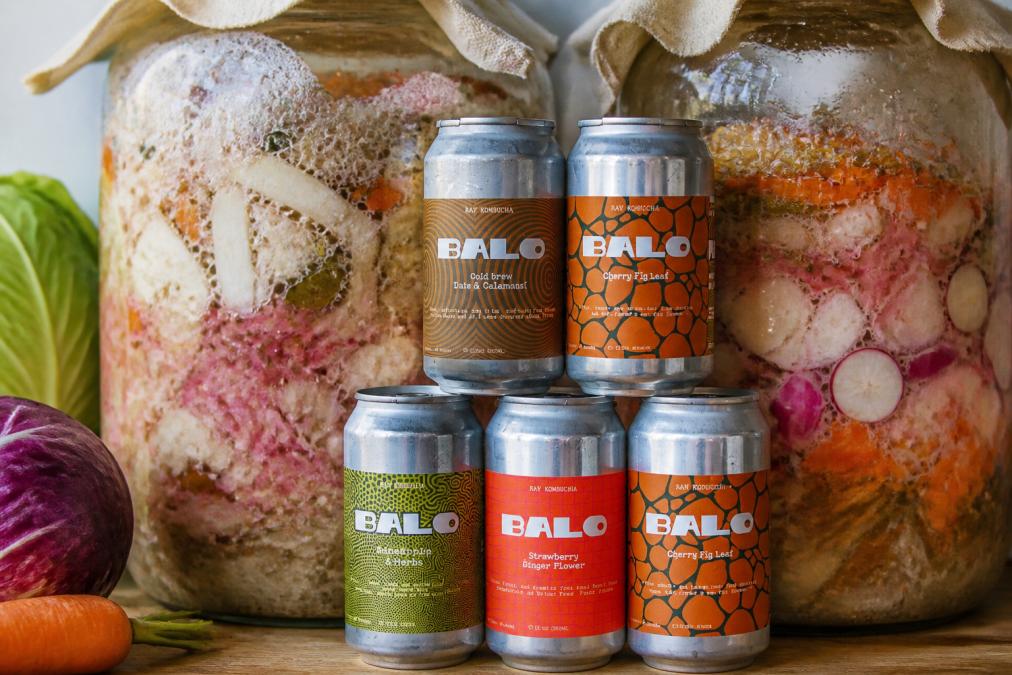
As bacteria ferment vegetables, they secrete enzymes that break down cell walls and complex carbohydrates. Proteins are partially broken down into amino acids and peptides. Minerals like calcium and iron become more bioavailable because the lactic acid increases their solubility. This enzymatic activity makes fermented vegetables nutritionally superior to their raw counterparts.
The probiotics themselves are living beneficial bacteria that survive the fermentation process. When you consume fermented vegetable drinks, you're ingesting these microorganisms directly. They colonize your gut, contributing to microbial diversity and supporting the metabolic functions of your existing gut flora. Unlike probiotic supplements, which contain isolated strains in controlled quantities, fermented drinks deliver a complex community of microorganisms that evolved together in the specific fermentation environment.
The short-chain fatty acids produced during fermentation, particularly butyrate, deserve specific attention. These fatty acids feed the cells lining your colon and support the integrity of your gut barrier. They also influence immune modulation and have been linked to improvements in metabolic health. Fresh juice produces none of these compounds.
:::pro tip The longer a fermented vegetable drink sits in the fridge after fermentation, the more lactic acid accumulates and the more enzymatic activity occurs. A drink that's been refrigerated for two weeks has higher bioavailability than one consumed immediately after fermentation. :::
Seven Science-Backed Benefits of Fermented Vegetable Drinks
1. Supports Digestive Health and Nutrient Assimilation
Fermented vegetable drinks enhance digestive function through multiple mechanisms. The enzymes produced during fermentation begin breaking down food components before they reach your stomach, reducing the digestive burden on your body. The lactic acid stimulates gastric secretions, improving the acidic environment necessary for proper protein digestion.
Nutrient assimilation improves because fermentation increases the concentration of bioavailable nutrients. Minerals are chelated by organic acids, making them easier for your intestines to absorb. Vitamins, particularly B vitamins, are synthesized by the fermenting bacteria themselves, so the fermented drink contains more B vitamins than the raw vegetables started with.
2. Strengthens Immune Function Through Gut Microbiome Diversity
Approximately 70% of your immune system is concentrated in your gut-associated lymphoid tissue (peer-reviewed research). Fermented vegetable drinks contribute to immune resilience by increasing the diversity of beneficial bacteria in your microbiome.
Microbial diversity is directly correlated with immune strength. When you consume fermented vegetable drinks, you're introducing multiple strains of Lactobacillus and other beneficial bacteria, each with different metabolic capabilities and immune-signaling properties. These bacteria produce metabolites that signal your immune system to maintain appropriate vigilance, responding effectively to genuine threats while not overreacting to harmless substances.
3. Enhances Antioxidant Capacity and Reduces Inflammation
Fermentation increases the concentration of phenolic compounds and other antioxidants in vegetables. Fermented vegetable drinks have higher antioxidant capacity than their fresh counterparts because the fermentation process both preserves existing antioxidants and generates new ones. This translates to reduced oxidative stress in your body and less cellular damage.
The anti-inflammatory properties come partly from the antioxidants themselves and partly from the short-chain fatty acids produced during fermentation. Butyrate reduces inflammation in your colon by signaling immune cells to maintain a more tolerant state. This is why people with inflammatory digestive conditions often report improvements after incorporating fermented vegetables into their diet.
4. Improves Mineral Absorption and Electrolyte Balance
Minerals in raw vegetables are bound to compounds like phytic acid and oxalic acid, which reduce their bioavailability. Fermentation breaks these bonds through enzymatic activity, freeing minerals for absorption. Calcium, magnesium, iron, and zinc all become more available when vegetables are fermented.
Fermented vegetable drinks contain sodium, potassium, and magnesium in forms your body can readily absorb. The lactic acid present also enhances mineral absorption by creating an acidic environment that keeps minerals soluble as they move through your digestive tract.
5. Supports the Gut-Brain Axis and Mental Clarity
The gut-brain axis is the bidirectional communication system between your digestive tract and your central nervous system. Your gut bacteria produce neurotransmitters, including serotonin, dopamine, and GABA, that directly influence your mood, focus, and emotional resilience. Fermented vegetable drinks support this system by promoting the growth of bacteria that produce these compounds.
Specific strains of Lactobacillus produce GABA, a neurotransmitter that promotes relaxation and reduces anxiety. The short-chain fatty acids from fermentation, particularly butyrate, cross the blood-brain barrier and directly influence neurological function. People who incorporate fermented foods into their diet regularly report improved mental clarity, better mood stability, and reduced anxiety. improve your digestion.
6. Naturally Reduces Sugar Through Fermentation
Raw vegetables contain natural sugars that fermentation metabolizes. Beneficial bacteria consume these sugars as their energy source, converting them into lactic acid and other compounds. A vegetable juice might contain 8-12 grams of sugar per serving (usda.gov). The same vegetables, after fermentation, might contain 2-4 grams because the bacteria have consumed most of the available sugar.
The remaining sugar is also in a different form. Fermentation produces complex carbohydrates and resistant starches that don't spike blood glucose the way simple sugars do, producing a gentler, more stable energy response.
7. Aids Food Preservation and Pathogen Inhibition
Fermentation is one of humanity's oldest food preservation methods because it works. The lactic acid produced by fermentation creates an acidic environment that inhibits the growth of pathogenic organisms like Salmonella, E. coli, and Listeria. Beneficial bacteria also produce bacteriocins, natural antimicrobial compounds that directly kill pathogenic organisms.
This is why fermented vegetable drinks are remarkably safe. The fermentation process itself is a form of food safety. Raw vegetable juice requires pasteurization or careful handling to prevent pathogen growth. Fermented drinks preserve themselves through biological activity.
How to Reduce Food Waste by Making Fermented Vegetable Drinks at Home
Food waste represents a significant environmental and economic problem. Fermented vegetable drinks offer a practical way to use vegetables that would otherwise be discarded, the slightly wilted carrots, the beet greens you weren't sure how to use, the ends of celery bunches.
Start by chopping vegetables into roughly 1-inch pieces. Pack them into a clean glass jar, filling it about three-quarters full. Dissolve salt in water at a concentration of about 2-3% by weight (roughly 1 tablespoon of salt per quart of water). Pour the brine over the vegetables, ensuring they're fully submerged. Weight them down with a smaller jar or fermentation weight so they stay below the brine surface.
Cover the jar loosely or use an airlock lid if you have one. Leave the jar at room temperature, away from direct sunlight. The fermentation will begin within 24-48 hours. Taste the ferment every few days starting around day 3. Most ferments reach optimal flavor in 5-10 days. Once it tastes good to you, move the jar to the refrigerator.
| Stage | Duration | What to Expect | When to Move to Fridge |
|---|---|---|---|
| Initial fermentation | 24-48 hours | Bubbles appear, mild sour taste develops | When flavor reaches your preference |
| Active fermentation | 3-10 days | Increasing sourness, more bubbling | Day 5-10 depending on taste preference |
| Refrigerated storage | Up to 9 months | Fermentation nearly stops, flavor stabilizes | After reaching desired sourness |
The environmental benefit is direct: you've converted food waste into a nutritious beverage. Vegetables that would have ended up in a landfill are now providing probiotics, enzymes, and bioavailable nutrients.
Probiotic Benefits of Fermented Juice for Daily Wellness
Probiotics are living beneficial bacteria that colonize your gut and support digestive and immune function. Fermented vegetable drinks are a whole-food source of probiotics, delivering multiple strains in their natural context rather than as isolated supplements.
Fermented vegetable drinks contain a community of microorganisms that evolved together during fermentation. This community includes bacteria, yeasts, and other microorganisms that produce metabolites that support each other's survival and function. Daily consumption introduces these beneficial microorganisms to your gut consistently, allowing them to establish themselves in your microbiome and contribute to long-term microbial diversity.
People who consume fermented foods regularly report better digestion, more stable energy, improved skin clarity, and better mood stability. These changes develop as your microbiome composition shifts and your gut barrier strengthens.
Drink Balo's raw kombucha and fermented vegetable drinks deliver these benefits through a naturally fermented process that preserves the live cultures and enzymatic activity. Each bottle contains the full spectrum of compounds produced during fermentation.

Safety, Storage, and Consistency: What You Need to Know
Fermented vegetable drinks are remarkably safe when made correctly. Temperature matters, fermentation happens fastest at room temperature (around 70-75°F). Once fermented, refrigeration dramatically slows the fermentation process, essentially pausing it. This is why fermented drinks can be stored in the refrigerator for months.
The shelf life of properly fermented and refrigerated vegetable drinks is substantial. A fermented drink stored in the refrigerator can remain safe and nutritious for 6-9 months. The flavor may continue to evolve slightly, becoming more sour and complex, but the drink remains safe because the acidic environment prevents pathogenic growth.
Consistency in fermentation comes from controlling variables. Temperature consistency produces predictable fermentation timelines. Salt concentration consistency ensures the brine maintains the right osmotic environment for beneficial bacteria while inhibiting pathogens.
Incorporating Fermented Vegetable Drinks Into Your Daily Routine
The most effective way to benefit from fermented vegetable drinks is consistent consumption. A small amount daily is more valuable than occasional large amounts.

Start with 2-4 ounces daily, ideally with a meal. The small amount provides probiotics and enzymes without overwhelming your system if you're new to fermented foods. Some people experience temporary digestive changes when they first introduce fermented foods, which typically resolves within a few days as your microbiome adjusts.
Increase the amount gradually if you want more. Many people eventually consume 4-8 ounces daily without issues. Consuming fermented drinks with meals slows gastric emptying, giving the beneficial bacteria more time to establish themselves in your gut. Consistency matters more than timing.
Fermented vegetable drinks work well as mixers for non-alcoholic beverages. The complex flavor profile and probiotic content make them ideal for sophisticated mocktails and wellness drinks.
Drink Balo's fermented drinks are designed to fit seamlessly into daily routines. Whether you're consuming them for their probiotic benefits, using them as a sophisticated mixer, or simply enjoying the complex flavors, the consistency of daily consumption drives the wellness benefits.
Fermented vegetable drinks represent a convergence of ancient food preservation wisdom and modern nutritional science. They're not just beverages, they're functional foods that support digestive health, immune function, and overall wellness through multiple biological mechanisms.
Drink Balo addresses this by making fermented vegetable drinks accessible and delicious. Our raw kombucha and fermented beverages are crafted from excess farmers market produce, supporting local growers while reducing food waste. Every bottle contains the probiotics, enzymes, and bioavailable nutrients your body needs to thrive. Research on fermented foods and gut health demonstrates that regular consumption of fermented beverages supports the microbial diversity that underpins immune and digestive function. Start with our 12-pack raw kombucha or explore our mixed flavors to find what works for your daily routine. Fermented to feel better, that's the Drink Balo difference.
Frequently Asked Questions
What are the primary health benefits of fermented vegetable drinks?
Fermented vegetable drinks deliver probiotics that enhance gut microbiome diversity, improve nutrient assimilation, and strengthen immune function. The fermentation process increases bioavailability of vitamins and minerals, making them easier for your body to absorb. Additionally, the lactic acid produced during fermentation supports digestive health and reduces inflammation. These drinks also contain short-chain fatty acids that support the gut-brain axis, influencing mood and mental clarity.
How do fermented vegetable drinks support a healthy gut microbiome?
Fermented vegetable drinks contain beneficial bacteria like Lactobacillus, which colonize your gut and increase microbial diversity. This diverse microflora strengthens your intestinal barrier, improves nutrient absorption, and helps regulate gastric acidity. The fermentation process also produces metabolic byproducts that feed existing beneficial bacteria, creating a more resilient gut ecosystem. Regular consumption supports long-term digestive and immune health.
How does drinking fermented beverages contribute to reducing food waste?
Fermented vegetable drinks transform excess produce from farmers markets and grocery stores into shelf-stable beverages, preventing perfectly good vegetables from reaching landfills. By fermenting surplus seasonal vegetables, you extend their shelf life from days to months while preserving their nutritional value. Supporting brands that use farmers market scraps, like those made from excess produce, directly reduces agricultural waste and supports local growers who might otherwise discard imperfect vegetables.
Is it safe to consume fermented vegetable drinks daily?
For most people, daily consumption of fermented vegetable drinks is safe and beneficial. However, start with small amounts (4-8 ounces) to allow your digestive system to adjust to the probiotics and enzymes. Some individuals with histamine sensitivity or certain digestive conditions may need to limit intake. If you're on antibiotics, wait at least 2-3 hours after taking them before consuming fermented drinks. Consult a healthcare provider if you have specific health concerns or take medications that may interact with probiotics.
What's the difference between raw kombucha and fermented vegetable juices?
Raw kombucha ferments sweet tea using a SCOBY (symbiotic culture of bacteria and yeast), creating carbonation and a tangy flavor with trace amounts of alcohol (typically under 0.5%). Fermented vegetable juices ferment vegetables directly through lactic acid fermentation, producing probiotics without carbonation or alcohol. Both deliver probiotics and support gut health, but vegetable ferments offer concentrated trace elements and minerals from the vegetables themselves, while kombucha provides enzymatic activity from the fermentation culture. Choose based on your flavor preference and dietary needs.
How long does it take for fermented foods to heal the gut?
Most people notice improved digestion and energy within 2-4 weeks of consistent daily consumption. However, deeper healing of the gut lining and significant microbiome shifts typically take 8-12 weeks. Individual results vary based on starting gut health, diet quality, stress levels, and sleep. For those with compromised digestive health, healing may take 3-6 months. Consistency matters more than quantity; regular small amounts of fermented vegetable drinks support sustained improvement in nutrient assimilation and immune function.
What are the healthiest vegetables to ferment?
Cruciferous vegetables like cabbage, broccoli, and cauliflower ferment well and deliver high antioxidant capacity and phenolic compounds. Root vegetables such as carrots, beets, and radishes provide trace elements and support mineral absorption. Leafy greens like kale and spinach add iron bioavailability and anti-inflammatory properties. Garlic and ginger enhance enzymatic activity and pathogen inhibition. Mixing vegetables creates a more diverse beneficial bacteria population. Avoid starchy vegetables that ferment too quickly and can become mushy.
This article was written using GrandRanker