

Is Shrub Soda Good for Digestion? A Science-Backed Guide
Table of Contents
- What Is a Shrub Soda and How Does It Support Digestion
- How Fermentation and Organic Acids Aid Digestive Health
- How to Make Shrub Sodas at Home
- Benefits of Drinking Vinegar for Gut Health and Metabolism
- Best Time to Drink Shrub Soda for Maximum Digestive Impact
- Contraindications, Side Effects, and Safety Considerations
- Shrub Soda Versus Other Digestive Aids
- Conclusion
Last Updated: August 27, 2026
What Is a Shrub Soda and How Does It Support Digestion
A shrub soda is a fermented beverage made by combining fruit, vinegar, and sugar through maceration, where ingredients steep together to create a concentrated syrup mixed with sparkling water. The term "shrub" originates from the Arabic word "sharāb," meaning drink, and has been used for centuries to describe vinegar-based beverages. When fermented properly, shrub soda supports digestion because the fermentation process creates organic acids and beneficial compounds that interact with your digestive system in specific ways.

The digestive support comes from multiple mechanisms. Fermented shrub sodas contain acetic acid, the primary compound in vinegar, which influences stomach pH and enzyme production. The fermentation process generates organic acids that help break down food more efficiently in the gastrointestinal tract. At Drink Balo, we focus on creating shrub sodas using excess farmers market produce, which means every bottle contains real fruit, real fermentation, and real digestive potential, not just flavored water with vinegar added at the end.
The key distinction matters: commercial shrub sodas that are simply vinegar mixed with juice and sugar behave differently in your body than naturally fermented versions where beneficial bacteria have developed. The probiotic content, microflora balance, and enzyme activity all depend on how the shrub was actually made.
How Fermentation and Organic Acids Aid Digestive Health
Fermentation is a biochemical process where microorganisms break down sugars, creating organic acids as byproducts. In shrub sodas, this produces acetic acid, lactic acid, and other compounds that create an acidic environment stimulating stomach acid production, something many people with sluggish digestion need.
The organic acids interact with your digestive enzymes in ways non-fermented drinks cannot. When you consume acetic acid from a properly fermented shrub, it activates pepsin, the enzyme responsible for breaking down proteins in the stomach (peer-reviewed research). The fermentation process also creates compounds supporting nutrient absorption in the gastrointestinal tract, allowing your body to extract more value from the foods you eat. Even shelf-stable shrub sodas retain digestive benefit because while heat pasteurization kills many organisms, the organic acids and enzymatic byproducts they created remain intact.
Fermented shrub sodas may help regulate post-prandial glucose spikes (peer-reviewed research). The acetic acid content slows gastric emptying, meaning food moves through your stomach more gradually, reducing rapid blood glucose spikes from sugary drinks. For people concerned about metabolic health, this mechanism alone makes the difference between regular soda and fermented shrub significant.
How to Make Shrub Sodas at Home
Basic Shrub Recipe and Fermentation Process
The simplest shrub soda requires only three ingredients: fruit, sugar, and vinegar. The basic ratio is 1 pound of fruit, 1 pound of sugar, and 1 cup of vinegar. Start with ripe but not overripe fruit. Cut it into small pieces and layer with sugar in a clean glass jar. The sugar draws moisture from the fruit through osmosis, creating a liquid base.

Let this mixture sit at room temperature for 3-5 days. Natural fermentation begins as wild yeasts and bacteria present on the fruit start breaking down the sugars. You'll notice the mixture becoming more liquid and developing a slightly funky smell, this is normal and indicates fermentation is occurring. After 3-5 days, strain out the solid fruit matter using cheesecloth or a fine mesh strainer.
Add raw, unfiltered apple cider vinegar (which contains the "mother", a living culture of beneficial bacteria and yeast) to the strained liquid. Stir thoroughly and transfer to clean bottles. You now have a shrub concentrate that can be stored in the refrigerator for up to 9 months. To make the finished beverage, mix 1-2 ounces of shrub concentrate with 6-8 ounces of sparkling water and ice.
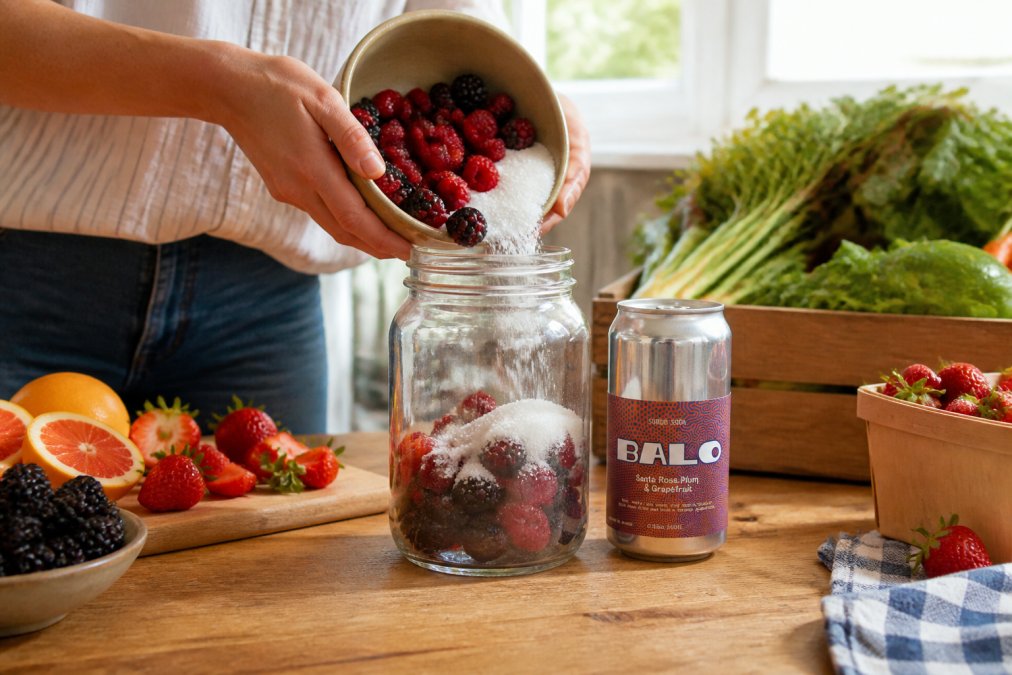
The fermentation timeline varies based on temperature and fruit type. Warmer environments accelerate fermentation, sometimes completing in 2-3 days. Cooler kitchens may need a full week. The visual cue is when the liquid becomes noticeably darker and the smell shifts from fruity to vinegary, indicating fermentation is complete and organic acids have fully developed.
Common Mistakes to Avoid When Fermenting
The most frequent error is using too much sugar or too little fruit. Sugar is necessary for fermentation, but excess sugar without enough fruit creates syrup rather than fermented beverage. The fruit provides the microflora and enzymes that drive actual fermentation. A second common mistake is disturbing the jar too frequently. Every time you open the container, you introduce oxygen and potentially disrupt fermentation. Seal the jar and leave it alone.
Temperature control matters significantly. If your kitchen is below 65 degrees Fahrenheit, fermentation slows dramatically (usda.gov). If above 75 degrees, fermentation accelerates but flavor becomes overly vinegary. Aim for 68-72 degrees. Using tap water instead of filtered water introduces chlorine, which inhibits fermentation. Always use filtered water. Using vinegar that's too weak also matters, distilled white vinegar is often only 4-5% acetic acid, while raw apple cider vinegar typically contains 5-6% plus the beneficial mother culture. Finally, don't skip the straining step. Leaving fruit solids in your finished shrub concentrate creates an environment for unwanted mold growth and reduces shelf stability.
Benefits of Drinking Vinegar for Gut Health and Metabolism
The digestive benefits of vinegar-based beverages have been documented in traditional medicine for centuries, and modern research on acetic acid consumption supports several specific mechanisms. When you drink a shrub soda, the acetic acid reaches your stomach and stimulates hydrochloric acid production, the primary digestive acid your body uses to break down proteins. People with low stomach acid often experience bloating, indigestion, and nutrient malabsorption. A small amount of dietary acid can help compensate.
Acetic acid also influences how your body processes carbohydrates. When consumed with or shortly before a meal, it reduces blood glucose spikes by slowing gastric emptying and improving insulin sensitivity. This metabolic benefit affects your long-term metabolic health and energy stability throughout the day. The fermentation process creates additional compounds beyond acetic acid, including polyphenols and other antioxidants that support overall gut health.
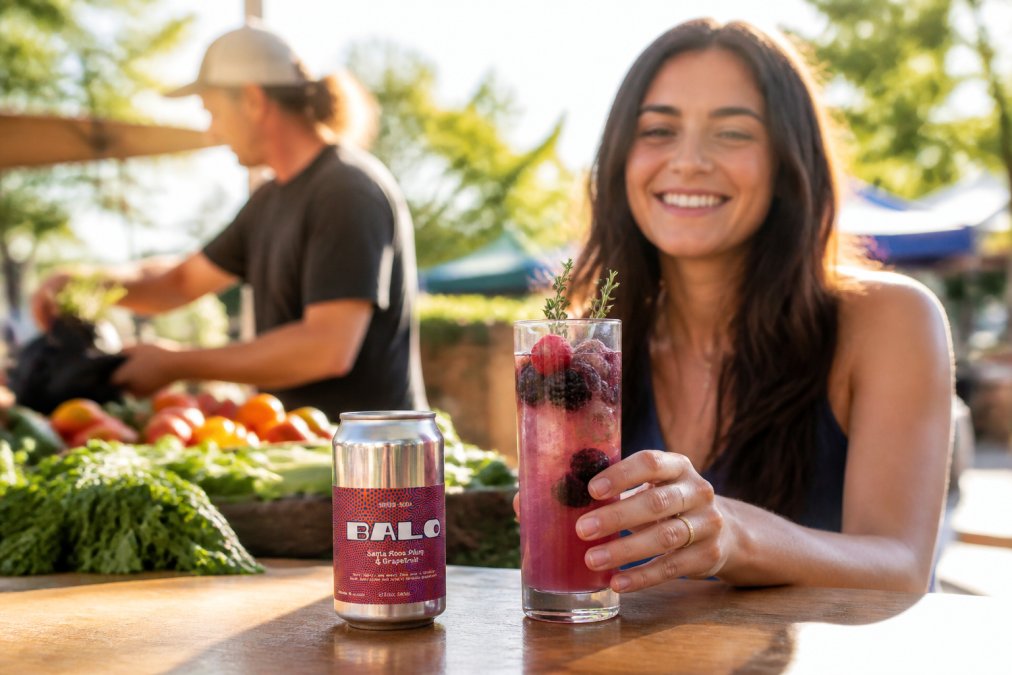
The microflora balance in your gastrointestinal tract influences everything from nutrient absorption to immune system function. While pasteurized shrub sodas don't contain live probiotics, the organic acids they contain support the growth of beneficial bacteria already present in your gut. The fermentation process also breaks down compounds that might otherwise cause bloating or gas, a key benefit for people with sensitive digestion.
One specific advantage of fermented shrub sodas over other vinegar-based drinks: the combination of fruit, natural sugars, and fermented acids creates a more balanced pH environment in your mouth and throat. Straight vinegar can be harsh and potentially damage tooth enamel over time. Shrub sodas dilute the acidity while preserving digestive benefits. Drink Balo's shrub sodas, made with real fermented fruit and vinegar, deliver these benefits without the harshness of undiluted vinegar.
Best Time to Drink Shrub Soda for Maximum Digestive Impact
The timing of consumption matters significantly. The most effective window is 15-30 minutes before a meal. Consumed at this time, the acetic acid primes your digestive system by stimulating stomach acid production and enzyme activation. Your body is then better prepared to break down the food that follows. This pre-meal consumption is particularly beneficial if you struggle with bloating or feel uncomfortably full after eating.
For metabolic benefits related to blood glucose regulation, the pre-meal window is critical. Studies on acetic acid consumption show that the glucose-stabilizing effect is strongest when the acid is consumed 15-30 minutes before eating carbohydrates. If you eat a meal high in refined carbohydrates, a small shrub soda beforehand can meaningfully reduce the subsequent blood glucose spike.

Individual tolerance varies. Some people experience improved digestion with daily consumption, while others find that 3-4 times per week is optimal. Start conservatively with 2-3 ounces of shrub soda mixed with water, consumed 20 minutes before a meal. If you tolerate this well and notice improvements in bloating or energy levels, adjust frequency based on your response.
Contraindications, Side Effects, and Safety Considerations
Not everyone benefits from increased dietary acid consumption. People with active gastric ulcers or severe acid reflux should avoid shrub sodas entirely. While acetic acid can help people with low stomach acid, it can worsen symptoms in people with excess acid. If you experience heartburn regularly or have been diagnosed with GERD, consult a healthcare provider before adding fermented vinegar beverages to your routine.
Tooth enamel erosion is a legitimate concern with any acidic beverage. Even diluted shrub sodas contain enough acetic acid to soften enamel over time. Mitigate this risk by drinking shrub sodas through a straw, rinsing your mouth with water afterward, and waiting at least 30 minutes before brushing your teeth. Consuming shrub sodas with meals rather than sipping throughout the day reduces exposure time.
Some people experience digestive upset when first introducing fermented beverages, temporary bloating, gas, or loose stools can occur as your gut microbiota adjust. Start with small amounts and increase gradually over 1-2 weeks. If symptoms persist beyond two weeks, fermented beverages may not be appropriate for your individual digestive system.
Medication interactions are possible. Acetic acid can affect how your body absorbs certain medications, particularly those for diabetes or blood pressure management. If you take any medications, discuss adding fermented vinegar beverages with your healthcare provider. Pregnant and nursing individuals should also consult a provider before regular consumption.
The sugar content in shrub sodas (approximately 4 grams per 8.5-ounce serving in Drink Balo's products) should be considered by people managing diabetes or following strict carbohydrate-limited diets.
Shrub Soda Versus Other Digestive Aids
Comparing shrub sodas to other digestive support options reveals distinct advantages and limitations. Probiotic supplements contain live beneficial bacteria in controlled quantities, while fermented shrub sodas contain organic acids and enzymatic byproducts but minimal live cultures due to pasteurization. Probiotics directly populate your gut with beneficial microorganisms; shrub sodas create an environment that may support existing beneficial bacteria.
Ginger-based digestive aids address nausea and stomach discomfort through gingerols and other compounds that relax digestive tract muscles. Shrub sodas primarily work through acetic acid's effects on stomach pH and enzyme production. A person experiencing nausea might benefit more from ginger, while someone with sluggish digestion and bloating might see better results from shrub sodas.
Digestive enzyme supplements provide specific enzymes like amylase, protease, and lipase to help break down different macronutrients. These are most beneficial for people with diagnosed enzyme deficiencies. Shrub sodas don't replace enzyme supplementation but may help your body produce its own enzymes more effectively through acetic acid stimulation.
| Digestive Aid | Primary Mechanism | Best For | Limitations |
|---|---|---|---|
| Shrub Soda | Acetic acid stimulates stomach acid & enzymes | Sluggish digestion, bloating, metabolic support | Minimal live probiotics, acidic to teeth |
| Probiotic Supplements | Live beneficial bacteria colonization | Dysbiosis, post-antibiotic recovery | Viability varies by brand, high cost |
| Ginger Products | Anti-inflammatory, muscle relaxation | Nausea, stomach discomfort | Less effective for low stomach acid |
| Digestive Enzymes | Direct enzymatic breakdown | Enzyme deficiency, protein digestion | Expensive, not addressing root cause |
Kombucha, another fermented beverage, shares similarities with shrub sodas but differs in base material and fermentation culture. Kombucha uses tea and a SCOBY, while shrub sodas use fruit and vinegar. Both contain organic acids and beneficial compounds, but kombucha typically contains trace amounts of caffeine from the tea base. For people sensitive to caffeine, shrub sodas offer a fermented alternative without stimulants.
The practical advantage of shrub sodas: they're easier to make at home than kombucha, require less specialized equipment, and have a longer shelf life. A properly made shrub concentrate stored in the refrigerator remains stable for 9 months.
Is shrub soda good for digestion? The evidence points to yes, but with important context. The fermentation process creates organic acids and enzymatic compounds that genuinely support digestive function through multiple mechanisms: stimulating stomach acid production, slowing gastric emptying to regulate blood glucose, and creating an environment that supports beneficial gut bacteria. The digestive benefits are real, but they're not universal. Individual response varies based on existing stomach acid levels, medication use, and overall digestive health.
Drink Balo's shrub sodas deliver these benefits without the harshness of straight vinegar, using real fermented fruit from local farmers markets. Each bottle contains the organic acids and enzymatic byproducts of proper fermentation, plus the sophisticated flavor that makes digestive support actually enjoyable. If you're looking for a fermented beverage that supports both your gut health and your sustainability values, explore Drink Balo's collection, including options like the 4 pack Santa Rosa plum & grapefruit shrub soda or the 4 pack Passionfruit Makrut lime shrub soda, and experience how fermented, locally-sourced beverages can become part of your digestive wellness routine.
Frequently Asked Questions
Q: Is shrub soda actually good for your gut?
A: Shrub soda can support digestive health through its fermented vinegar base and organic acids, which stimulate stomach acid production and aid nutrient absorption. The fermentation process creates beneficial compounds that support gut microbiome balance. However, results vary by individual. Start with small amounts (2-3 oz) to assess tolerance, especially if you have a sensitive stomach.
Q: What are the primary digestive benefits of drinking vinegar?
A: Vinegar's acetic acid content helps regulate stomach pH and stimulates digestive enzymes, improving nutrient absorption and reducing indigestion. It may help stabilize blood glucose spikes after meals and reduce post-prandial bloating. The anti-inflammatory compounds in fermented shrub sodas also support overall gastrointestinal tract health. Consistency matters, regular, moderate consumption shows better results than occasional use.
Q: Are there any side effects to drinking shrub sodas daily?
A: Daily shrub soda consumption is generally safe for most people, but excessive intake may erode tooth enamel due to acidity. Some individuals experience nausea or heartburn if consumed on an empty stomach. Those with ulcers, GERD, or excess stomach acid should consult a healthcare provider before regular use. Limit intake to 2-4 oz per day and always dilute with water if you have sensitivity.
Q: When is the best time to drink shrub soda for digestion?
A: The best time to drink shrub soda is 15-30 minutes before or with meals to stimulate stomach acid production and enzyme release. This timing maximizes digestive support and helps regulate blood glucose metabolism. Post-meal consumption can also reduce bloating and gas. Avoid drinking on an empty stomach if you have acid sensitivity. Consistency across the day yields better metabolic benefits than sporadic use.
This article was written using GrandRanker