

Better Booch Alternatives for Gut Health
Table of Contents
- Why People Search for Better Booch Alternatives
- What Makes Organic Raw Kombucha Different
- Benefits of Raw vs Pasteurized Kombucha for Gut Health
- Top Fermented Beverage Alternatives for Digestive Support
- Cost-Per-Serving Comparison: Value and Sustainability
- Contraindications and Side Effects to Know
- How to Choose the Right Fermented Drink for Your Gut
- Conclusion
Last Updated: August 28, 2026
Why People Search for Better Booch Alternatives
Not all fermented beverages deliver the same probiotic punch. Kombucha alternatives for gut health range widely in quality, sugar content, and fermentation depth. At Drink Balo, we've learned that the difference between a truly beneficial fermented drink and one that's just tasty comes down to three things: raw fermentation, active cultures, and minimal processing.
Many people discover they need a better option after realizing their store-bought kombucha has been pasteurized, which kills the live probiotics they were hoping to get. Others find that mainstream brands load their drinks with added sugars or use short fermentation periods that don't develop the full spectrum of beneficial organic acids. Some are simply looking for variety, water kefir, shrubs, or botanical-infused fermented drinks that offer different flavor profiles and prebiotic benefits without the kombucha base.
What Makes Organic Raw Kombucha Different
Raw kombucha is fermented without pasteurization, meaning the live cultures, beneficial bacteria, and enzymes remain intact. The fermentation process creates an environment where lactobacillus and other beneficial microorganisms develop naturally, producing acetic acid, gluconic acid, and other organic acids that support digestive function.
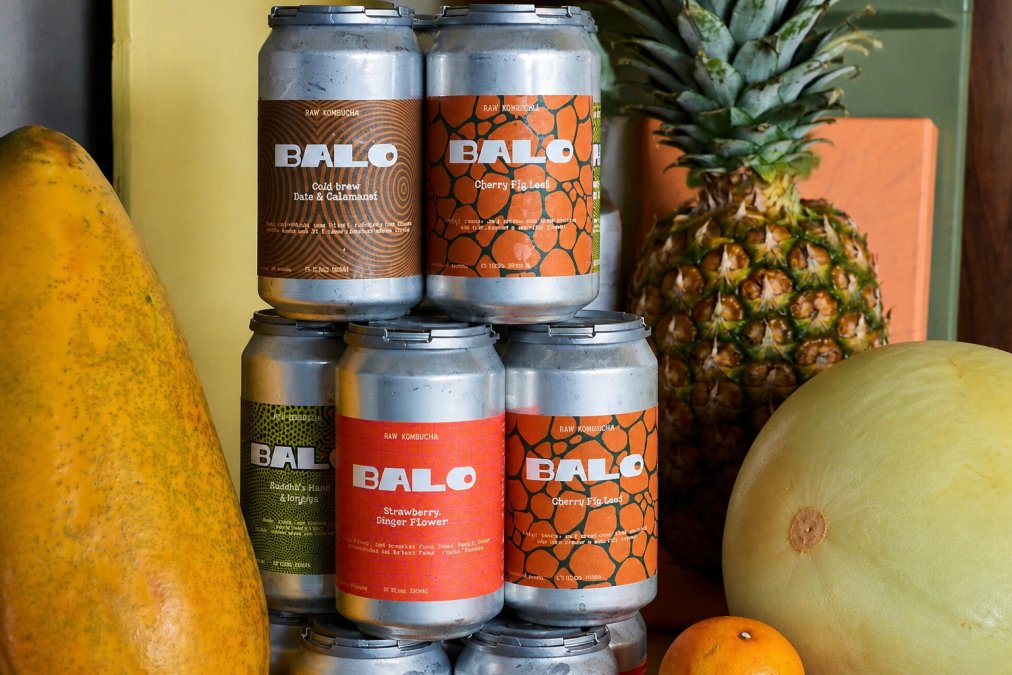
When you choose organic raw kombucha, you're getting a beverage that hasn't been heat-treated to extend shelf life. This preservation of the SCOBY (symbiotic culture of bacteria and yeast) and the living cultures means your gut receives actual probiotics, not just the memory of them. The fermentation also produces bioavailable nutrients and polyphenols that support the gut-brain axis and reduce inflammation.
Many conventional kombucha brands use shorter fermentation windows and then pasteurize the final product to ensure consistency and safety across distribution. Raw kombucha, by contrast, continues to develop complexity and beneficial compounds during its shelf life when stored properly in the refrigerator.
:::pro_tip Raw kombucha develops a sediment layer at the bottom of the bottle, this is the SCOBY and active cultures settling. Shake before drinking to distribute it evenly. :::
Benefits of Raw vs Pasteurized Kombucha for Gut Health
Raw kombucha contains living probiotics and active cultures, while pasteurized kombucha does not. This single difference reshapes what your gut actually receives when you drink it.
Raw kombucha delivers active lactobacillus and other beneficial bacteria strains that can colonize your digestive tract and support your microbiome (peer-reviewed research). The fermentation process produces organic acids, particularly acetic acid and gluconic acid, that lower the pH of your digestive environment, creating conditions where beneficial bacteria thrive and harmful bacteria struggle (peer-reviewed research). These acids also support metabolic health and blood sugar regulation.
Pasteurized kombucha loses the living cultures during heat treatment, but it retains the flavor and some of the organic acids developed during fermentation. If your goal is to introduce new probiotics into your microbiome, pasteurized kombucha won't deliver that outcome.
The prebiotic content remains relatively stable in both raw and pasteurized versions, since prebiotics are more heat-stable than live cultures. However, raw kombucha's living fermentation continues to develop additional prebiotic compounds during storage.
A practical consideration: raw kombucha requires continuous refrigeration and has a shorter shelf life than pasteurized versions. You're also more likely to experience digestive adjustment when introducing raw kombucha to your system. Many people start with smaller servings and build up tolerance over a few weeks.
Top Fermented Beverage Alternatives for Digestive Support
Beyond kombucha, the fermented beverage landscape includes several options worth exploring, each with distinct probiotic strains, prebiotic content, and flavor profiles.
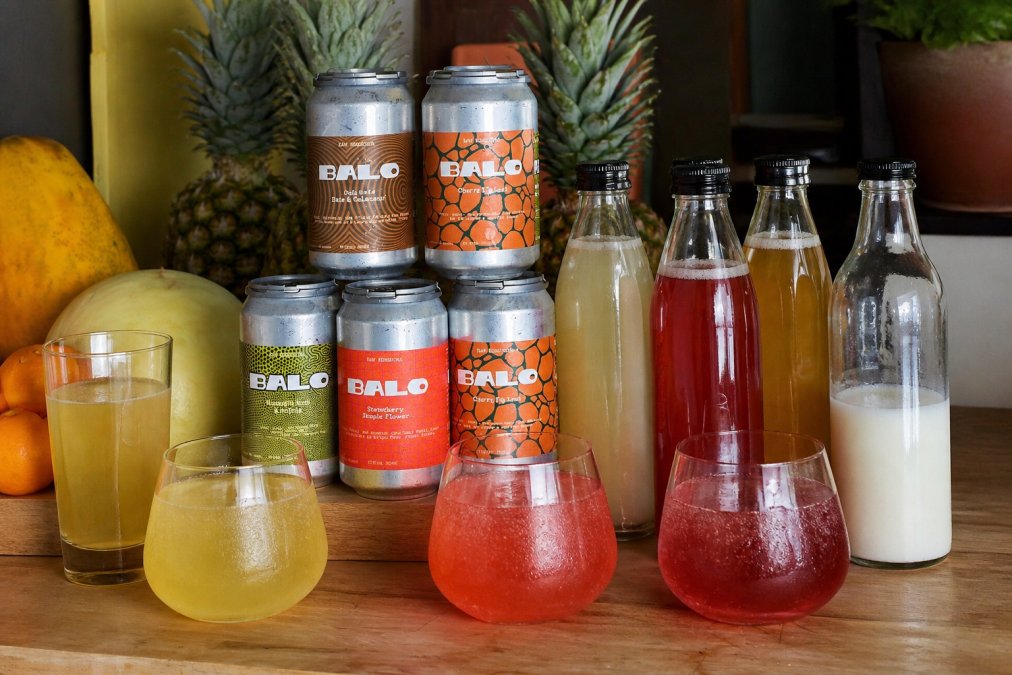
Raw Kombucha with Adaptogenic Herbs
Raw kombucha infused with adaptogens, herbs like ashwagandha, rhodiola, or reishi, offers dual benefits: the probiotics and organic acids of kombucha plus the stress-modulating and immune-supporting properties of adaptogenic plants. Drink Balo's raw kombucha lineup includes adaptogenic blends like Buddha's Hand Hojicha and Cherry Fig Leaf varieties, each fermented from excess farmers market produce. A 4-pack runs $24.00, making it accessible for regular consumption. The 12-pack option at $66.00 offers better per-bottle economics.

Adaptogenic kombucha addresses multiple aspects of gut health simultaneously. Adaptogens support the gut-brain axis by reducing cortisol and stress hormones, which directly influence microbiome composition and digestive function.
Fermented Shrubs and Botanical Mixers
Shrubs, also called drinking vinegars, are fermented beverages made from fruit, sugar, and vinegar. They're typically less sweet than kombucha and offer a more concentrated flavor, making them ideal as mixers or standalone digestive tonics. The fermentation process develops beneficial organic acids and creates an environment where wild yeasts and bacteria naturally colonize, producing live cultures similar to kombucha.
Fermented shrubs shine as botanical mixers because their concentrated flavor means you use less per drink, reducing overall sugar intake while still getting probiotic and acid benefits. They're also more shelf-stable than raw kombucha, though they still require refrigeration. For environmentally aware consumers, shrubs made from excess farmers market produce represent a direct way to reduce food waste while supporting local growers. sensitive stomach supplements.
Water Kefir and Coconut Kefir
Water kefir is fermented using kefir grains in sugar water, producing a probiotic-rich beverage with a lighter flavor and lower sugar content than kombucha when fermented properly. Coconut kefir follows the same principle but uses coconut water as the base, offering additional electrolytes and a creamier mouthfeel.
Both contain different probiotic strains than kombucha, primarily lactobacillus and leuconostoc species, which means they can diversify your gut microbiome in ways kombucha alone cannot. The fermentation process is shorter (typically 24-48 hours) compared to kombucha's 7-30 day range. For people with vegan preferences, coconut kefir offers a dairy-free option that still delivers probiotic and prebiotic benefits.
Cost-Per-Serving Comparison: Value and Sustainability
Understanding the actual cost per serving helps you make decisions that align with both your budget and your commitment to regular consumption.
| Beverage Type | Typical Serving Size | Cost Per Serving | Storage Life (Refrigerated) | Sustainability Factor |
|---|---|---|---|---|
| Raw Kombucha (Drink Balo 4-pack) | 12 oz | $6.00 | 9 months | Excess farmers market produce |
| Raw Kombucha (Drink Balo 12-pack) | 12 oz | $5.50 | 9 months | Bulk reduces packaging waste |
| Fermented Shrub (store-bought) | 1-2 oz as mixer | $0.75-$1.50 | 6-12 months | Depends on sourcing |
| Water Kefir (DIY with grains) | 12 oz | $0.50-$1.00 | 5-7 days | Minimal packaging, renewable cultures |
| Coconut Kefir (store-bought) | 12 oz | $4.00-$6.00 | 7-14 days | Varies by brand |
Raw kombucha from Drink Balo positions itself at the premium end of the market, but the cost reflects several factors. Each bottle is fermented from excess farmers market produce, supporting local growers and reducing food waste. The 9-month refrigerated shelf life means you can buy in bulk without waste, the 12-pack option ($66.00) brings the per-bottle cost down to $5.50.
For those seeking value, water kefir made at home with purchased kefir grains offers the lowest per-serving cost, though it requires initial investment and ongoing maintenance. Fermented shrubs occupy a middle ground: higher per-ounce cost than kombucha, but used in smaller quantities, so the actual cost per serving can be comparable.
The sustainability angle adds real value beyond price. Choosing kombucha made from excess farmers market produce directly supports local agriculture and reduces food waste. For environmentally aware consumers, this alignment with values often justifies the premium price.
Contraindications and Side Effects to Know
Raw fermented beverages aren't universally suitable. The primary concern is the introduction of a significant bacterial population to your digestive system. For most healthy people, this triggers a beneficial shift in microbiome composition, but it can also produce temporary digestive adjustment, bloating, or mild cramping. Starting with small servings (2-4 ounces) and building up over 2-3 weeks reduces these symptoms considerably.
People with compromised immune systems should consult their healthcare provider before consuming raw fermented beverages. This includes individuals with HIV/AIDS, those undergoing chemotherapy, organ transplant recipients, or anyone on immunosuppressive medications.
Pregnant individuals should also check with their provider before introducing raw kombucha or other live-culture fermented drinks.
People with histamine intolerance should be cautious with fermented beverages, as the fermentation process increases histamine content. Kombucha, shrubs, and kefir all develop histamine during fermentation, which can trigger headaches, digestive upset, or flushing in sensitive individuals.
Those with FODMAP sensitivities may find certain fermented beverages problematic depending on base ingredients. Water kefir and coconut kefir are typically FODMAP-friendly.
Caffeine content matters for some people. Raw kombucha retains some caffeine from the tea used in fermentation, typically 5-15 mg per 8-ounce serving (the FDA). For caffeine-sensitive individuals, this is worth considering.
How to Choose the Right Fermented Drink for Your Gut
Start by clarifying your primary objective. Are you seeking probiotics to diversify your microbiome? Are you looking for organic acids to support metabolic health? Do you want a non-alcoholic mixer for entertaining that also delivers gut benefits? Or are you primarily interested in reducing inflammation and supporting the gut-brain axis?
If probiotics are your main goal, raw kombucha or water kefir deliver the most viable cultures. If you're focused on organic acids and prebiotic compounds, fermented shrubs and longer-fermented kombucha excel. If you want adaptogenic support alongside digestive benefits, adaptogenic-infused raw kombucha like Drink Balo's Buddha's Hand Hojicha or Cherry Fig Leaf varieties combine multiple functional benefits.

Consider your lifestyle and consistency. Raw kombucha requires refrigeration and has a 9-month shelf life. Water kefir lasts only 5-7 days and requires maintaining living cultures if you DIY. Fermented shrubs last 6-12 months and are more shelf-stable, making them easier for inconsistent consumers to maintain.
Evaluate your budget and sourcing preferences. Drink Balo's raw kombucha at $5.50-$6.00 per serving reflects premium quality and local, sustainable sourcing. If cost is your primary constraint, DIY water kefir offers the lowest per-serving expense. If supporting local farmers and reducing food waste aligns with your values, the premium for locally-sourced fermented beverages justifies itself.
Check for any contraindications based on your health status. For most people, starting with small servings and building tolerance gradually minimizes adjustment side effects.
Finally, consider flavor preference and use case. If you enjoy kombucha's complex, slightly funky taste, raw versions with adaptogenic herbs offer sophistication and functionality. If you prefer concentrated flavors and want a mixer, fermented shrubs deliver. If you want something lighter and less sweet, water kefir bridges the gap between kombucha and plain sparkling water.
Choosing a better kombucha alternative for gut health doesn't mean abandoning kombucha entirely, it means understanding what you actually need from a fermented beverage and matching that to the right option. For most people seeking genuine probiotic benefits, raw fermentation, and sustainable sourcing, Drink Balo's raw kombucha delivers on all three fronts. Our raw kombucha is fermented from excess farmers market produce, meaning every bottle supports local growers and reduces food waste while providing active cultures and beneficial organic acids your microbiome actually needs. Start with a 4-pack of Cherry Fig Leaf or Strawberry Fennel Flower raw kombucha at $24.00 to experience the difference raw fermentation makes, or explore our 8-pack mixed varieties at $45.00 to find your favorite blend. Get the buzz without the alcohol, and feel the difference that truly living fermentation delivers.

Frequently Asked Questions
What should I look for in a kombucha alternative for probiotics?
Choose fermented beverages that are raw and unpasteurized to preserve active cultures and beneficial bacteria. Look for products with live lactobacillus strains, low sugar content (under 5 grams per serving), and minimal additives. Check labels for fermentation time, which indicates how long the drink has been cultured. Organic raw kombucha from trusted sources offers transparency about fermentation methods and ingredient sourcing, ensuring you get genuine probiotic content rather than just the taste of fermentation.
Is Better Booch considered raw or pasteurized?
Better Booch products undergo pasteurization, which heats the beverage to extend shelf life but eliminates most active cultures and probiotics. Raw kombucha, by contrast, remains unpasteurized and retains living organisms like lactobacillus and beneficial yeast. If your goal is maximum probiotic benefit and digestive support, raw kombucha alternatives deliver higher bioavailability of active cultures. Organic raw kombucha maintains the full spectrum of organic acids, polyphenols, and enzymes that develop during fermentation.
Does drinking kombucha actually improve gut health?
Raw kombucha contains probiotics, organic acids like acetic acid and gluconic acid, and antioxidants that support microbiome balance and digestive function. These compounds reduce inflammation in the gut and strengthen the gut-brain axis. However, results vary by individual and depend on consistent consumption and overall diet quality. Raw, unpasteurized kombucha offers more active cultures than pasteurized versions, making it more effective for digestive support. Combining fermented beverages with prebiotic foods and a diverse diet amplifies gut health benefits.
What are non-alcoholic alternatives to kombucha for gut health?
Water kefir, coconut kefir, and fermented shrubs all provide probiotic and prebiotic benefits without alcohol content. Fermented botanical drinks made with raw ingredients offer polyphenols and antioxidants that support gut microbiome diversity. Miso broths, sauerkraut juice, and kimchi also deliver active cultures and organic acids. Raw kombucha itself contains less than 0.5% alcohol by volume and is considered non-alcoholic. Choose fermented options with visible sediment and no pasteurization to ensure living probiotics reach your digestive system.
This article was written using GrandRanker