

Organic Raw Kombucha: A 2026 Review and Buying Guide
Table of Contents
- What Organic Raw Kombucha Actually Is (and How to Spot It)
- Pasteurized vs Raw Kombucha: What Changes in the Bottle
- Benefits of Raw Kombucha: What the Probiotics and Organic Acids Do
- How to Store Kombucha So the Cultures Stay Alive
- The Drink Balo Lineup: Every Organic Raw Kombucha Bottle Reviewed
- Sugar, Sustainability, and What Most Kombucha Reviews Skip
- Which Organic Raw Kombucha Should You Pick?
- Frequently Asked Questions
Last Updated: September 15, 2026
What Organic Raw Kombucha Actually Is (and How to Spot It)
Organic raw kombucha is an unpasteurized, naturally fermented tea drink made with certified organic ingredients, where live yeast and bacteria cultures remain active in the bottle. At Drink Balo, we ferment in small batches.

Most shoppers assume "organic" and "raw" are interchangeable on a label. They aren't. A bottle can carry a USDA organic seal and still be pasteurized, meaning the live cultures were killed before bottling (usda.gov).
Reading the Label: Live Cultures, Sugar, and Certification
Three things matter on the back of the bottle: the organic certification, the sugar content, and whether the word "raw" or "unpasteurized" appears near the ingredient list. A USDA organic seal confirms the tea base and flavorings meet federal organic standards, verified through USDA National Organic Program certification. It says nothing about whether the drink was heated.
Sugar content is the second tell. Kombucha needs some sugar to feed fermentation, but a finished bottle should land low. Drink Balo bottles carry 4 grams of cane sugar per serving, on the lean end for the category.
The third marker is the ingredient list. A raw bottle lists tea, sugar, culture, and real flavoring ingredients. If you see "kombucha culture" alongside preservatives, that's a warning sign the product was stabilized for shelf life rather than left alive.
| Label Signal | Raw Kombucha | Pasteurized Kombucha |
|---|---|---|
| "Unpasteurized" or "raw" | Present | Absent |
| Live cultures | Active in bottle | Removed by heat |
| Storage | Refrigerated | Often shelf-stable |
| Sugar content | Varies, often low | Often higher to balance acidity |
Pasteurized vs Raw Kombucha: What Changes in the Bottle
Heat treatment is the dividing line. Pasteurized kombucha is heated to kill yeast and bacteria, extending shelf life and letting retailers stack it warm. Raw kombucha skips that step, so cultures keep working slowly in the bottle and it must stay refrigerated.

What's lost in pasteurization? The live cultures, and with them much of the reason people drink kombucha. Enzymes and organic acids like acetic acid survive partially, but the active probiotic population does not. If gut health is your goal, raw does the work.
The trade-off is real. Raw kombucha is a living product: it needs cold storage, can develop a sharper tang over time, and demands more from the supply chain.
Benefits of Raw Kombucha: What the Probiotics and Organic Acids Do
Most kombucha pages stop at "probiotics are good for your gut." The real question is which organisms are in the bottle and whether they survive your stomach.
The Strains That Actually Show Up in Kombucha
Kombucha is a symbiotic culture of bacteria and yeast, usually abbreviated SCOBY. The bacterial side is dominated by acetic acid bacteria, most commonly Komagataeibacter species (formerly Gluconacetobacter), along with Acetobacter and Gluconobacter, which convert ethanol into acetic acid and give kombucha its tang (Microbial Composition of SCOBY Starter Cultures Used by Commercial Kombucha Brewers in...). The yeast side typically includes Saccharomyces, Brettanomyces, Zygosaccharomyces, and Candida species, which do the sugar-to-ethanol work that feeds the bacteria.
Notice what's missing: the Lactobacillus and Bifidobacterium strains on a yogurt or supplement label. Kombucha's probiotic profile is genuinely different from a dairy probiotic, and brands marketing it as interchangeable are overselling.
What the Organic Acids Do
The fermentation cycle produces a family of organic acids, and each has a different job:
- Acetic acid, the dominant acid in finished kombucha, responsible for the vinegar-like bite and the pH drop that keeps unwanted organisms in check.
- Gluconic acid, produced by the acetic acid bacteria from glucose; milder than acetic acid and part of why kombucha tastes less harsh than straight vinegar.
- Glucuronic acid, a minor component that gets a lot of marketing attention; the human body produces its own, and the amount in a bottle is small.
- Lactic acid, present in smaller quantities, produced by lactic acid bacteria that ride along in the culture.
The tea base contributes polyphenols and antioxidants, catechins from green tea, theaflavins and thearubigins from black tea. Fermentation appears to make some more bioavailable, though the effect size in humans isn't well quantified. Treat "fermentation unlocks more antioxidants" as a plausible mechanism, not a proven outcome.
The CFU Number Is Not the Whole Story
A bottle claiming "billions of CFUs" gives you a count, not a strain identity or survival rate. Three things determine whether those organisms do anything:
- Strain identity. "Billions of CFUs" of an unnamed organism tells you nothing. Ask which genera and species are present.
- Survival through digestion. Stomach acid is hostile to many organisms. Strains that survive bile and low pH are the ones with a chance of reaching the lower gut.
- Third-party testing. A brand that tests finished bottles for live culture counts and publishes the results is doing more than a brand that prints a number on the label and moves on.
What Raw Preserves That Pasteurization Doesn't
Heat treatment kills the yeast and bacteria outright. What survives pasteurization is the organic acid profile, acetic acid, gluconic acid, and tea polyphenols are largely heat-stable, but the live population does not. A pasteurized bottle can still taste tangy and contain antioxidants; it just isn't delivering live cultures.
A Reasonable Expectation
Kombucha is a food, not a supplement, and no bottle treats a digestive condition. Raw kombucha delivers a live, diverse microbial population plus organic acids and tea polyphenols, and the evidence for broad gut-health benefit is promising but not settled.
How to Store Kombucha So the Cultures Stay Alive
Refrigeration is non-negotiable for raw kombucha, but "keep it cold" is where most guides stop. The part they skip is how to handle a live product at home without turning active cultures into a mess or a safety problem.
Cold Storage Rules That Actually Matter
Why Raw Kombucha Builds Pressure, and How to Release It Safely
A few practical habits:
Never leave raw kombucha at room temperature for extended periods. Warmth accelerates fermentation in the bottle, which builds pressure and can turn a pleasant fizz into an overcarbonated mess, or a cap that comes off with force. Keep it cold from purchase to pour.
Home Handling and Sanitation
Serving Temperature and Glassware
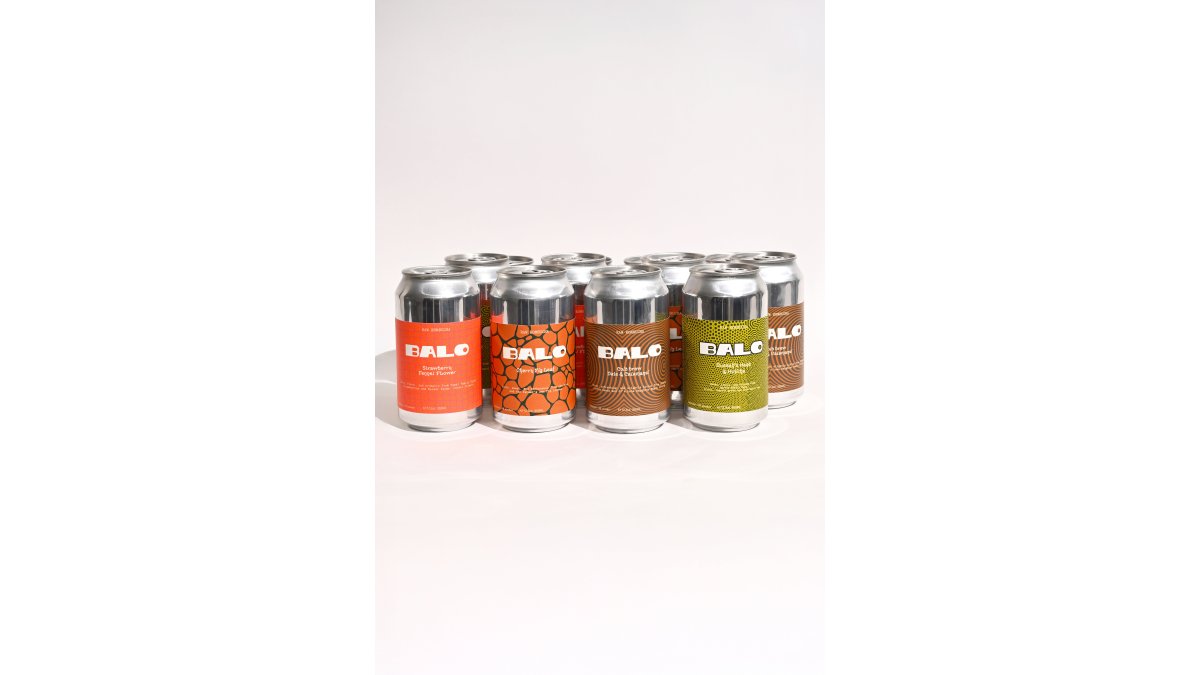
The Drink Balo Lineup: Every Organic Raw Kombucha Bottle Reviewed
8-Pack Mixed Raw Kombucha ($45.00)
12-Pack Raw Kombucha ($66.00)
4-Pack Cold Brew, Dates & Calamansi Raw Kombucha ($24.00)
Cherry Fig Leaf Raw Kombucha ($24.00)
4-Pack Strawberry Fennel Flower Raw Kombucha ($24.00)
4-Pack Buddha's Hand Hojicha Raw Kombucha ($24.00)
Sugar, Sustainability, and What Most Kombucha Reviews Skip
Which Organic Raw Kombucha Should You Pick?
Frequently Asked Questions
What's the difference between kombucha and raw kombucha?
Standard kombucha is often pasteurized after fermentation, which kills the live yeast and bacteria but extends shelf life. Raw kombucha skips that heat step, so the live cultures, enzymes, and organic acids stay intact in the bottle. That is why raw bottles are refrigerated and carry a shorter, temperature-sensitive shelf life. If a label says pasteurized, you are getting the flavor and some acids but not the active probiotic content.
Is raw unpasteurized kombucha safe to drink?
For most healthy adults, yes. The acetic acid produced during fermentation keeps the drink acidic enough that harmful bacteria struggle to survive. People who are pregnant, immunocompromised, or under 4 years old should check with a doctor first, since live cultures are the whole point of raw kombucha. Keep it refrigerated, check the date, and avoid bottles that smell like vinegar or have visible mold.
Does organic raw kombucha need to be refrigerated?
Yes. Live cultures stay active at room temperature, which means the fermentation keeps going and the taste turns sharper over time. Refrigeration slows that process and protects the probiotic content. Once you open a bottle, drink it within a few days and keep it cold the whole time. Bottles labeled shelf-stable are almost always pasteurized, so how to store kombucha depends on which type you bought.
How can you tell if kombucha is truly raw?
Look for three things on the label: the word unpasteurized or raw, a refrigeration requirement, and a live cultures count. Certified organic and non-GMO seals add another layer of verification. Sediment or a small amount of stringy culture at the bottom is normal in raw bottles and a sign the fermentation was real. If the label says shelf-stable and lists no live cultures, it has been pasteurized.
What are the health benefits of drinking organic raw kombucha?
Raw kombucha delivers live probiotics, organic acids like acetic acid, and antioxidants from the tea base and any added botanicals. These support digestion and feed the gut microbiome over time. Organic certification also means the tea and sugar used in fermentation were grown without synthetic pesticides. Benefits build with regular, moderate consumption rather than one bottle, and raw kombucha is not a replacement for medical treatment.