

Benefits of Drinking Shrub Sodas Daily: A 2026 Guide
Table of Contents
- What Are Shrub Sodas and How Are They Made?
- Are Shrub Sodas Good for You? A Closer Look at the Evidence
- Shrub Soda Ingredients and Sugar: What's Actually in the Bottle
- Shrub Soda vs Regular Soda: A Nutrition Label Comparison
- How to Make Shrub Soda at Home: A Simple Recipe
- Safe Daily Intake, Side Effects, and Who Should Be Cautious
- Conclusion: Making Shrub Sodas a Daily Habit
- Frequently Asked Questions
Last Updated: October 7, 2026
What Are Shrub Sodas and How Are They Made?
A shrub soda is a carbonated drink made by mixing a fruit-and-vinegar syrup, called a drinking vinegar, with soda water.
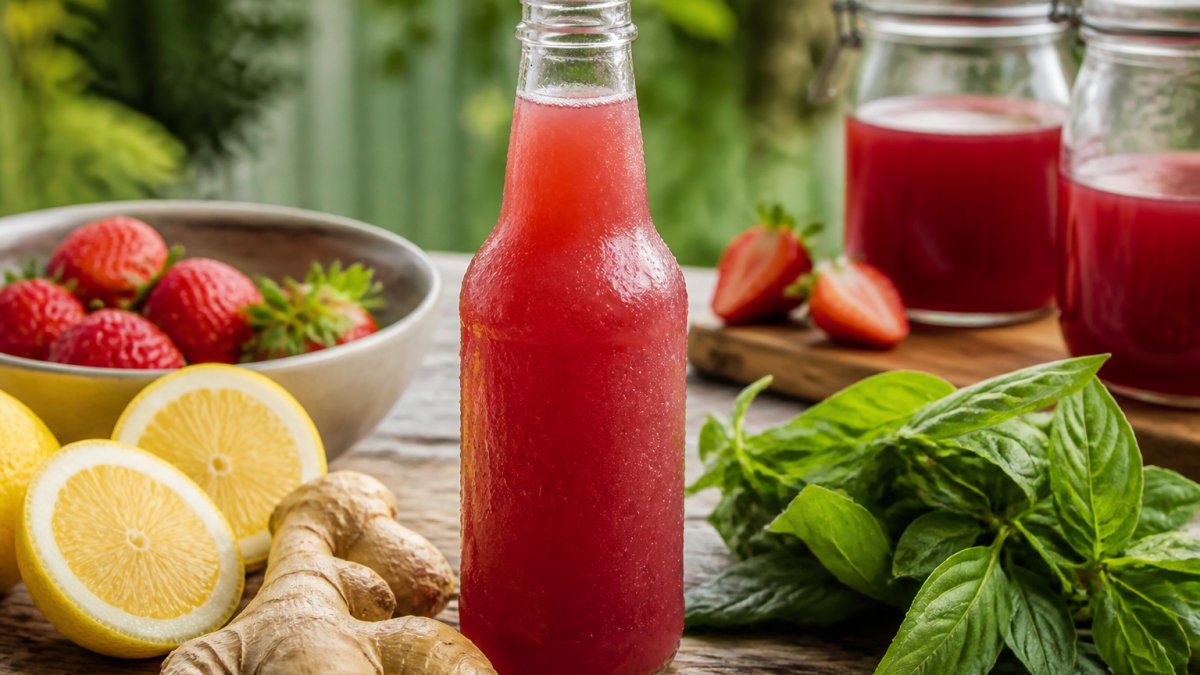
The basic recipe has three parts:
- Fruit - fresh, frozen, or leftover peels and cores
- Sugar - to draw juice from the fruit and feed fermentation
- Vinegar - apple cider vinegar is the standard, though wine and rice vinegars work too
Let the mixture sit, strain it, then dilute a few tablespoons into sparkling water. At Drink Balo, we take a similar route but start with excess farmers market produce, so the fruit that would have been thrown out becomes the flavor base instead.
Fermented vs. Vinegar-Based Shrubs
Not every shrub is fermented, and the distinction matters if you are buying for gut health.
A fermented shrub lets the mixture sit long enough for wild yeast and bacteria to work, producing fermentation byproducts that include organic acids and, in some recipes, probiotics.
That difference shows up in taste, too. Fermented shrubs taste rounder and slightly funky; vinegar-only shrubs taste sharp and one-note.
Are Shrub Sodas Good for You? A Closer Look at the Evidence
Honest answer: some parts of the shrub soda story are well-established nutrition, some are preliminary research, and some are marketing. Sorting them is the whole point of this section.
What is well-established
- Vitamin C and immune function. Vitamin C contributes to normal immune function, and fruit-based drinks can supply some of it. The NIH Office of Dietary Supplements vitamin C fact sheet lays out the reference intake and food sources. A shrub soda is a small contributor, not a supplement.
- Diet quality and blood sugar. Overall diet quality, not any single drink, drives metabolic outcomes, per CDC guidance on blood sugar and diet. Replacing a 39-gram-sugar cola with a 4-gram shrub soda is a meaningful swap at the diet level.
- Hydration. Sparkling water hydrates. A shrub soda is mostly water, so it counts toward fluid intake the same way plain seltzer does.
What is preliminary
- Vinegar and post-meal blood sugar. Small human studies have looked at vinegar taken before a meal and its effect on post-meal glucose response. Results are mixed, sample sizes are small, and the effect size is modest. It is a research direction, not a treatment.
- Fermented foods and the microbiome. Fermented foods in general are associated with a more diverse gut microbiome, and the NIH Human Microbiome Project overview describes how diet shapes that community. A shrub soda contributes to that pattern; it does not fix a gut on its own, and the specific strains and doses in a bottle are rarely disclosed.
- Probiotics in fermented shrubs. Wild fermentation produces organic acids and, in some recipes, live cultures. Whether those cultures survive to the bottle, survive stomach acid, and colonize the gut is a separate question that most labels do not answer.
What is unsupported
Claims that a shrub soda lowers blood pressure, cures a hangover, "alkalizes" your body, or replaces a probiotic supplement are not supported by the evidence. Those claims circulate online and the support is thin. Treat a daily shrub as a better-for-you swap, not a treatment.
Shrub Soda Ingredients and Sugar: What's Actually in the Bottle
Sugar is where most "healthy" sodas fall apart. A standard 12 oz cola carries roughly 39 grams of sugar. A well-made shrub soda carries a fraction of that, because the tartness does the work that sweetness usually does.
Read the label and you want to see four things:
- Fruit listed first, ideally with the peel or whole fruit included
- Vinegar named specifically, not "flavoring"
- Sugar in single digits per serving, or a low-calorie sweetener you trust
Our 8.5 oz shrub sodas land at 4 grams of cane sugar per bottle. That is the number we designed around, because it is low enough to drink daily without turning a wellness habit into a sugar habit.
Shrub Soda vs Regular Soda: A Nutrition Label Comparison
The gap is wider than most people expect. Here is how a typical shrub soda stacks up against a conventional cola and a diet soda on the metrics that matter most.
| Metric | Shrub Soda (8.5 oz) | Regular Cola (12 oz) | Diet Soda (12 oz) |
|---|---|---|---|
| Sugar | 4 g | ~39 g | 0 g |
| Calories | Low | ~140 | 0 |
| Live cultures | Often yes | No | No |
| Fruit-derived antioxidants | Yes | No | No |
| Artificial sweeteners | Usually none | None | Often yes |
| Sweet-tart flavor | Yes | No | No |
The trade-off is real: shrub sodas cost more per ounce than a mass-market can, and they usually need refrigeration. What you buy with that premium is a drink built from fruit and fermentation rather than corn syrup and carbonation, and a lower-sugar path to the same fizzy craving.
How to Make Shrub Soda at Home: A Simple Recipe
What you'll need:
- 2 cups chopped fruit (berries, stone fruit, citrus peels all work)
- 1 cup sugar
- 1 cup apple cider vinegar
Step 1: Combine fruit and sugar. Toss the fruit with the sugar in the jar.
Step 2: Add the vinegar. Pour in the apple cider vinegar and stir. Seal the jar.
Step 3: Let it sit. Refrigerate 2 to 3 days, stirring once a day.
4 pack Santa Rosa plum & grapefruit shrub soda →
Step 4: Strain. Pour through a fine-mesh strainer into a clean bottle. Discard or compost the solids.
Safe Daily Intake, Side Effects, and Who Should Be Cautious
There is no established safe daily dose for shrub soda, because no regulatory body has set one. What follows is practical guidance based on how acidic drinks behave in the body, not a clinical recommendation.
A reasonable daily ceiling
One to two diluted servings a day is a common pattern among people who drink shrubs regularly. The number matters less than the dilution: a serving is 1 to 2 tablespoons of syrup in 8 ounces of sparkling water, not syrup straight from the bottle. Most practitioners find that people who treat the syrup as a concentrate and dilute it consistently tolerate it better than people who sip it undiluted.
Why acidity is the main concern
The active ingredient in most shrubs is vinegar, which is acidic. Two things follow from that:
- Tooth enamel. Repeated exposure to acid softens enamel over time. Sipping an acidic drink slowly across an hour is worse for teeth than drinking it in a few minutes with a meal. Using a straw, rinsing with plain water afterward, and waiting about 30 minutes before brushing are the standard mitigations.
- Reflux and stomach sensitivity. Vinegar can relax the lower esophageal sphincter in some people and aggravate heartburn or GERD. If you already have reflux, start with half a serving and see how you feel, or skip it.
Who should be cautious
- People managing blood sugar. Vinegar may modestly affect post-meal glucose, but it does not replace medication, monitoring, or dietary management. Talk to your clinician before making it a daily habit.
- People on diabetes or blood-pressure medication. Vinegar can interact with how some drugs behave. This is a conversation for your prescriber, not a label.
- People with diagnosed GERD, ulcers, or a sensitive stomach. Acidic drinks are a common trigger.
- People who are pregnant or nursing. Adding a new fermented drink to the routine is worth a check with a clinician, mainly because fermented products can carry live cultures and the evidence in this group is limited.
Storage and shelf life
Keep bottles refrigerated. Once opened, drink within a few days for the best flavor and carbonation. Unopened, a well-made shrub soda typically holds for several months in the fridge; check the date on the bottle rather than assuming.
Conclusion: Making Shrub Sodas a Daily Habit
The case for a daily shrub soda is not that it will transform your health overnight. It is that it replaces something worse.
At Drink Balo, we make that swap easy. Our shrub sodas are naturally fermented, non-alcoholic, and built from excess farmers market produce, with 4 grams of cane sugar per 8.5 oz bottle and flavors like Santa Rosa plum and grapefruit, passionfruit and makrut lime, and blueberry with moringa and yuzu.

Add to cart and see what a daily shrub soda actually tastes like.

Frequently Asked Questions
Can you drink shrub soda every day?
Yes, many people drink shrub soda daily as a low-calorie alternative to soda. A typical 8.5 oz serving has about 4 grams of sugar, so it fits into most diets. However, because of the vinegar content, start with one serving a day to see how your digestion responds. If you have acid reflux or take certain medications, check with your doctor first.
Are shrub sodas good for digestion?
Shrub sodas contain vinegar and, if fermented, probiotics, which may support digestion. The acetic acid in vinegar can help stimulate stomach acid, and fermented versions provide live cultures. That said, research on specific digestive benefits is limited. Many people find them refreshing and easier on the stomach than sugary sodas, but they are not a cure for digestive conditions.
How much sugar is in shrub soda?
Sugar content varies by recipe. A typical commercial shrub soda like Drink Balo's has about 4 grams of cane sugar per 8.5 oz serving. Homemade versions can range from 2 to 10 grams depending on how much sweetener you add. Compare that to a regular soda, which often has 39 grams of sugar in a 12 oz can.
What is the difference between a shrub soda and kombucha?
Shrub soda is made from fruit, sugar, and vinegar, and may be fermented. Kombucha is fermented tea. Both can contain probiotics if unpasteurized, but shrub soda tends to have a sharper, sweet-tart flavor from the vinegar. Kombucha often has a tangy, effervescent taste from tea fermentation. Shrub soda is sometimes used as a mixer, while kombucha is usually drunk on its own.
Are shrub sodas healthier than regular soda?
Shrub sodas typically have far less sugar and no high-fructose corn syrup. They also contain fruit-derived antioxidants and possibly probiotics. Regular soda is linked to weight gain and blood sugar spikes. While shrub soda is a better choice for most people, it still contains some sugar and acid, so moderation matters. It is not a free pass to drink unlimited amounts.
Can apple cider vinegar drinks cause side effects?
Yes, drinks with apple cider vinegar can cause side effects like tooth enamel erosion, throat irritation, and digestive discomfort if consumed in large amounts. Shrub sodas contain less vinegar than straight ACV shots, but daily intake should still be moderate. Drink with a meal, use a straw, and rinse your mouth with water afterward to reduce risks.
How do you make shrub soda at home?
To make shrub soda at home, combine 1 cup of fruit with 1 cup of sugar and let it sit for 1-2 days to create a syrup. Strain, then mix 1-2 tablespoons of syrup with 1 tablespoon of apple cider vinegar and top with sparkling water. Adjust sweetness and tartness to taste. Store the syrup in the fridge for up to 2 weeks.
What are the potential benefits of fermented shrub sodas?
Fermented shrub sodas may provide probiotics, which can support gut health and immune function. They also contain antioxidants from fruit and may help with hydration. Some people find them helpful for blood sugar balance compared to sugary drinks. However, scientific evidence for specific health outcomes is still emerging, so treat them as a refreshing, lower-sugar beverage rather than a medicine.