

Can Fermented Drinks Replace Alcohol Buzz?
Table of Contents
- What Creates the 'Buzz' in Fermented Drinks vs. Alcohol
- Functional Non-Alcoholic Beverages: How Adaptogens and Nootropics Work
- Fermentation Science: Probiotics, Ethanol Traces, and Real Health Impact
- Best Mixers for Mocktail Recipes: Building Social Rituals Without Alcohol
- Health Risks and Medication Contraindications to Know
- Sober-Curious Living: Can Fermented Drinks Replace Alcohol in Social Settings?
- Conclusion: The Realistic Role of Fermented Drinks
- Frequently Asked Questions
Last Updated: September 2, 2026
What Creates the 'Buzz' in Fermented Drinks vs. Alcohol
The question of whether fermented drinks can replace alcohol buzz hinges on understanding what "buzz" actually means. When people describe an alcohol-induced buzz, they're referring to ethanol's effect on the central nervous system, a depressant that alters neurotransmitter activity and creates measurable changes in cognition, mood, and physical sensation. Fermented beverages like kombucha and shrub sodas contain trace amounts of ethanol as a byproduct of fermentation, but nowhere near enough to produce intoxication.
The distinction matters because the two experiences operate through entirely different mechanisms. Alcohol buzz comes from blood alcohol content reaching levels that impair judgment and motor function. Fermented drinks, by contrast, work through their functional ingredients: probiotics that support gut health, adaptogens that may help with stress response, and botanicals that offer flavor complexity and mild mood-supporting properties. These create a different kind of sensation, one that's more subtle, sustained, and doesn't involve the neurological impairment that defines traditional intoxication.
Here's where the nuance becomes important: many people conflate the social and psychological experience of drinking with the pharmacological effects of ethanol. The ritual, the taste, the social lubrication, and the sense of occasion can all contribute to what feels like a "buzz" even without alcohol present. Fermented drinks tap into these elements, the sophisticated flavor profiles, the sense of choosing something intentional and health-conscious, the social gathering itself, which can satisfy the broader experience people seek when drinking alcohol socially.
Functional Non-Alcoholic Beverages: How Adaptogens and Nootropics Work
Adaptogens and nootropics represent the functional backbone of modern fermented drinks. These aren't marketing terms, they're specific categories of plant compounds that interact with your body's stress response and cognitive function in measurable ways.
Adaptogens like ashwagandha, rhodiola, and reishi are plants that help your body manage stress by modulating cortisol levels and supporting your nervous system's ability to adapt to stressors (the NIH). They don't create euphoria or intoxication. Instead, they work over time to help you feel more balanced and resilient. When you drink a fermented beverage containing adaptogens, you're not getting an immediate "high", you're supporting your body's natural stress management systems.
Nootropics are compounds that may enhance cognitive function: focus, memory, or mental clarity. Common ones in fermented beverages include L-theanine (which promotes calm focus), caffeine (which enhances alertness), and various herbal extracts. These work by influencing neurotransmitters like dopamine and GABA, but in ways that support function rather than impair it.
The practical difference: alcohol creates a depressant effect that feels good in the moment but impairs your actual cognitive and physical abilities. Adaptogens and nootropics in fermented drinks aim to support your baseline function, making you feel clearer, calmer, or more focused without the impairment. Some people describe this as a gentle "lift" or enhanced sense of well-being, but it's fundamentally different from the buzz of intoxication.
Drink Balo's fermented beverages incorporate botanicals and adaptogenic ingredients specifically chosen to create this functional effect. The cold brew kombucha with dates and calamansi, for example, includes caffeine for alertness alongside fermented botanicals for digestive support, creating a drink that energizes without the crash associated with alcohol.

Fermentation Science: Probiotics, Ethanol Traces, and Real Health Impact
Fermentation is a metabolic process where microorganisms break down sugars in the absence of oxygen, producing various compounds including ethanol, acids, and beneficial bacteria. Understanding what actually happens during fermentation separates real functional benefits from marketing hype.
In kombucha fermentation, a symbiotic culture of bacteria and yeast (SCOBY) converts sugar into acetic acid, gluconic acid, and small amounts of ethanol. The ethanol content typically ranges from 0.5% to 2% depending on fermentation time and conditions, far below the 4-6% found in beer or the 12-15% in wine (peer-reviewed research). This trace amount doesn't produce intoxication or the neurological effects of alcohol consumption.
The probiotics created during fermentation are live beneficial bacteria that support gut health. These organisms produce short-chain fatty acids and other compounds that may improve digestive function, support immune response, and influence mood through the gut-brain axis. The catch: not all fermented drinks contain viable probiotics by the time they reach you. Heat pasteurization kills these beneficial organisms. Raw fermented beverages like those from Drink Balo maintain these live cultures, which is why the fermentation process and storage method matter significantly.

The sugar content during fermentation deserves attention. Fermentation consumes some of the original sugar, but the final product still contains residual sugars, typically 2-6 grams per serving depending on the drink (peer-reviewed research). This is substantially less than sodas (35-40 grams per serving) but more than zero. For people monitoring sugar intake or managing blood glucose, this matters.
The real health impact comes from consistent consumption over time. A single serving of kombucha won't transform your gut health. The probiotics, organic acids, and other compounds work cumulatively. Many people report improved digestion, better energy levels, and enhanced mood after incorporating fermented beverages into their routine for several weeks, but these are subjective experiences, not guaranteed outcomes.
Best Mixers for Mocktail Recipes: Building Social Rituals Without Alcohol
The sophistication of a non-alcoholic drink often depends on the mixer you choose. Fermented beverages like shrub sodas and kombucha excel as mixers because they bring complexity, acidity, and flavor depth that simple juices can't match.
A shrub soda, made by fermenting fruit, vinegar, and botanicals, creates a tart, layered flavor profile that works beautifully in mocktails. The Drink Balo Santa Rosa plum and grapefruit shrub soda, for instance, brings both sweetness and acidity with botanical notes that complement herbs like basil or thyme. Mixed with sparkling water and fresh garnishes, it becomes a drink that feels intentional and sophisticated, something you'd serve at a dinner party without apology.
Kombucha works differently as a mixer. Its slight effervescence, tangy flavor, and hint of funk from fermentation make it ideal for creating complex flavor combinations. The cold brew kombucha with dates and calamansi from Drink Balo carries enough character to stand on its own but also pairs well with fresh citrus, ginger, or herbal infusions to create layered mocktails.
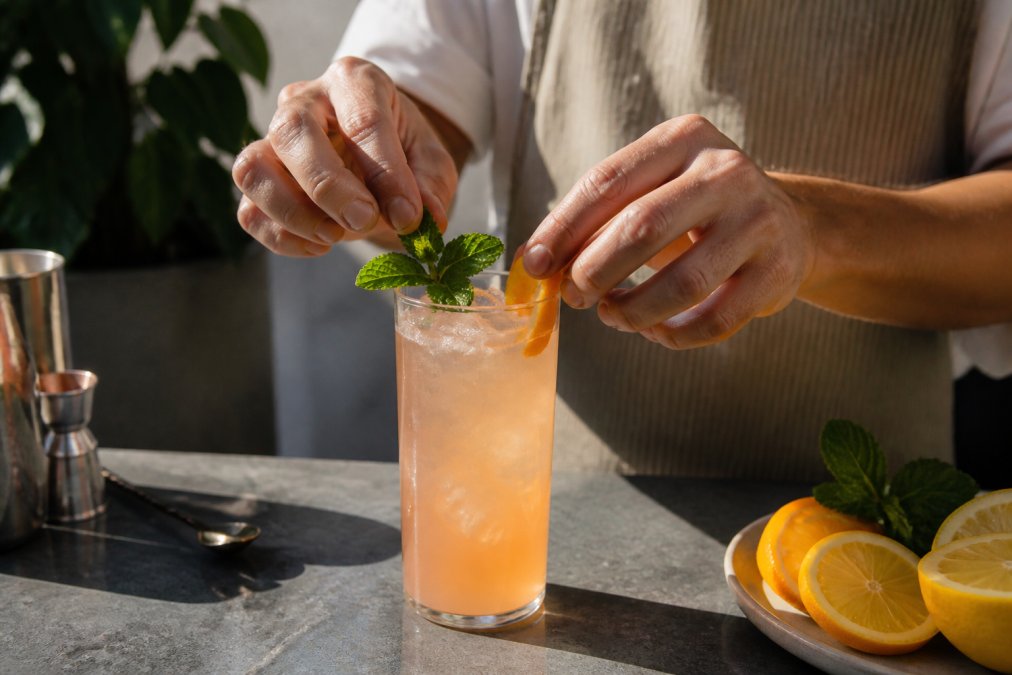
The ritual aspect of mocktail creation matters as much as the ingredients. When you're building a drink with intention, selecting specific flavors, garnishing thoughtfully, presenting it in a real glass rather than a plastic cup, you're creating the same sense of occasion that alcohol typically provides. Fermented mixers make this easier because their complexity signals care and sophistication.
Here's a practical framework for mocktail building:
- Base: Fermented beverage (kombucha or shrub soda)
- Accent: Fresh citrus, herbal tea, or botanical infusion
- Texture: Sparkling water or ice
- Garnish: Fresh herbs, citrus wheels, or edible flowers
The fermented base does the heavy lifting flavor-wise, so you don't need to add multiple ingredients to create depth. A simple combination of Drink Balo's cherry fig leaf kombucha, fresh lime juice, and a sprig of rosemary creates a drink that feels complete and intentional.

Health Risks and Medication Contraindications to Know
Fermented beverages are generally safe for most people, but specific situations warrant caution. Understanding these contraindications prevents problems before they start.
The primary concern for many people involves medication interactions. Fermented drinks contain compounds, particularly organic acids and certain botanicals, that can interact with specific medications. People taking blood thinners, for example, should be cautious with high-vitamin K fermented beverages. Those on certain psychiatric medications should discuss fermented drink consumption with their provider, as some botanical adaptogens can influence neurotransmitter activity.
Sugar content is relevant for people with diabetes or prediabetes. While fermented beverages contain less sugar than sodas, they're not zero-sugar drinks. A 12-ounce serving of kombucha typically contains 4-6 grams of sugar. For someone carefully managing blood glucose, this needs to fit into their daily carbohydrate budget.
The trace ethanol in fermented drinks, typically 0.5-2%, is negligible for most people but matters for those in recovery from alcohol use disorder. Even small amounts can trigger cravings or complicate sobriety for some individuals. This is a personal decision best made with a recovery support provider.
Raw fermented beverages contain live bacteria, which is their functional advantage but also a consideration for certain populations. Pregnant people, young children, and immunocompromised individuals should consult healthcare providers before consuming raw fermented drinks regularly. The beneficial bacteria are generally safe, but in rare cases can cause issues for vulnerable populations.
Histamine content in fermented beverages can trigger reactions in people with histamine intolerance. Fermentation increases histamine levels as bacteria break down amino acids. For people with this sensitivity, fermented drinks may cause headaches, digestive upset, or other reactions. This is uncommon but worth knowing if you experience these symptoms.
Sober-Curious Living: Can Fermented Drinks Replace Alcohol in Social Settings?
The sober-curious movement represents a shift in how people think about alcohol consumption, not necessarily abstinence, but intentional choice about when and how much to drink. Fermented drinks fit into this framework as sophisticated alternatives that acknowledge what people actually seek in social drinking: ritual, taste, connection, and the sense of choosing something intentional.
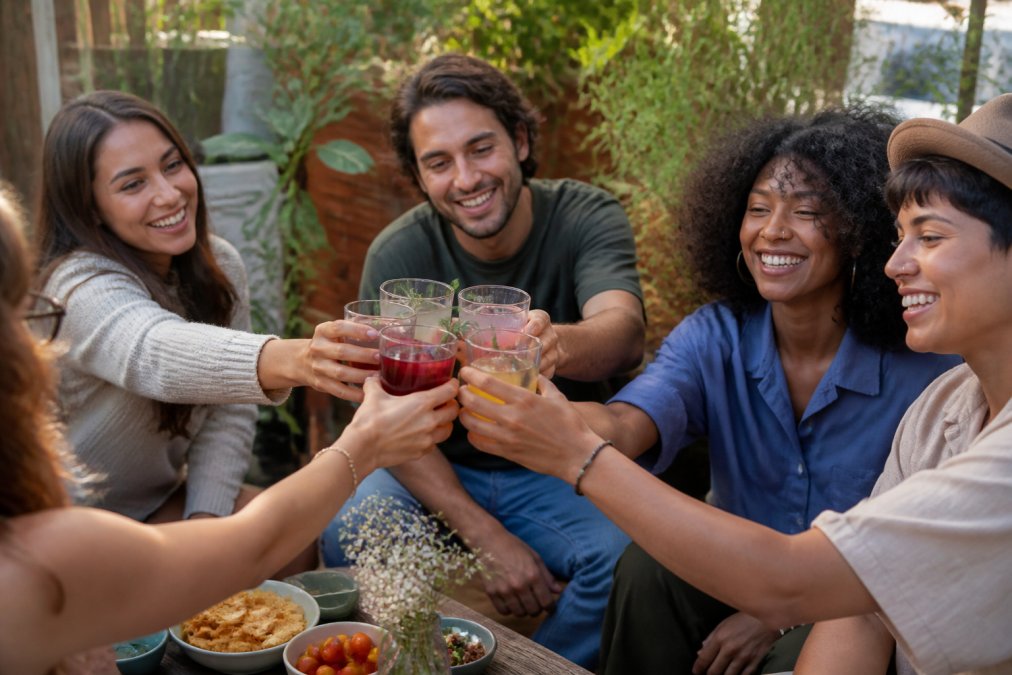
The honest answer is: they can replace alcohol for some occasions and some people, but not universally. Here's why the distinction matters.
Alcohol's social function operates on multiple levels. The pharmacological effect, the buzz, the lowered inhibitions, the slight euphoria, is one component. But equally important are the ritual (holding a glass, toasting, the act of "having a drink"), the taste experience, the sense of choosing something intentional, and the social permission structure that alcohol provides. In many social contexts, having a drink signals "I'm here to relax and enjoy this moment."
Fermented beverages can satisfy most of these elements. A sophisticated mocktail made with Drink Balo's shrub soda or kombucha provides ritual, taste complexity, and intentionality. The social permission structure is changing, choosing a non-alcoholic drink is increasingly normalized, especially among younger demographics. What they cannot replicate is the pharmacological effect of ethanol.
For people seeking to reduce alcohol consumption, this distinction is actually liberating. You can participate fully in social drinking culture, the toasts, the special drinks, the sense of occasion, without the intoxication. Many sober-curious people find this satisfying. They get the experience they want without the downsides: no hangover, no impaired judgment, no waking up regretting what they said.
For others, the absence of the intoxicating effect feels like a significant loss. If someone drinks primarily for the buzz or to manage social anxiety through alcohol's depressant effects, a non-intoxicating alternative won't feel like a true replacement. This is important to acknowledge honestly rather than oversell fermented drinks as a complete substitute.
The practical approach: fermented drinks excel as alcohol replacements for people who value the social and sensory experience of drinking but don't specifically need the intoxication. They're less effective for people whose primary motivation is the neurological effect of ethanol.
Drink Balo's beverages support this sober-curious lifestyle by offering drinks sophisticated enough to serve at dinner parties, complex enough to feel intentional, and functional enough to support your wellbeing rather than compromise it. They're designed for people who want to participate in social drinking culture on their own terms.
Conclusion: The Realistic Role of Fermented Drinks
Can fermented drinks replace alcohol buzz? The answer depends entirely on what "replace" means to you. They cannot replicate the neurological effect of ethanol, the intoxication, the disinhibition, the specific high that alcohol produces. But they can replace alcohol's role in social rituals, taste experiences, and the sense of choosing something intentional and health-supporting.
For sober-curious individuals, people reducing alcohol consumption, and those seeking sophisticated non-alcoholic options for entertaining, fermented beverages offer a compelling alternative. The functional ingredients, adaptogens, probiotics, botanical complexes, create genuine health benefits that alcohol cannot match. The flavor complexity of well-crafted fermented drinks creates the sensory satisfaction that makes social drinking enjoyable.
Drink Balo's approach to fermented beverages bridges this gap by creating drinks that taste genuinely good while supporting your wellness goals. Whether you're choosing non-alcoholic options for health reasons, exploring sober-curious living, or simply looking for sophisticated mixers for entertaining at home, fermented drinks deserve a place in your rotation. The Santa Rosa plum and grapefruit shrub soda works beautifully as a standalone drink or mixer, while the cold brew kombucha with dates and calamansi brings complexity and functional benefits in every sip. Start with Drink Balo and discover how intentional, delicious non-alcoholic drinking can be.
Frequently Asked Questions
Do fermented drinks like kombucha actually create a buzz, or is it placebo?
Fermented drinks don't create intoxication like alcohol does. The 'buzz' comes from adaptogens, nootropics, and caffeine (in kombucha), which can produce subtle mood elevation, calm, or mental clarity. Kombucha contains trace amounts of ethanol (typically under 0.5%), far below intoxication levels. The social ritual and mindful consumption also play a role, the placebo effect in social drinking is real and valuable, even without alcohol's neurochemical effects.
What makes Drink Balo's fermented beverages different from store-bought kombucha?
Drink Balo uses excess farmers market produce transformed into raw, naturally fermented drinks with adaptogenic and probiotic benefits. Unlike mass-produced kombucha, our shrub sodas and raw kombucha are crafted to deliver complex flavor profiles while supporting local growers and reducing food waste. Each bottle is fermented to help you feel better, offering sophistication for sober-curious social moments without the alcohol content.
Can I drink fermented beverages if I take medications?
Fermented drinks contain probiotics and bioactive compounds that may interact with certain medications, particularly blood thinners, immunosuppressants, and drugs metabolized by the liver. Caffeine in kombucha can also interact with stimulants or anxiety medications. Always consult your healthcare provider before making fermented beverages a regular part of your routine, especially if you take prescription medications.
Is kombucha a good replacement for alcohol in social settings?
For sober-curious individuals, fermented beverages like kombucha and shrub sodas offer a sophisticated, mindful alternative to alcohol. They provide ritual, complex taste, and functional benefits, but not intoxication. They work best when you're seeking the social and sensory experience of drinking rather than alcohol's neurochemical effects. Many find them ideal for entertaining at home or social moments where the focus is flavor and connection, not inebriation.
This article was written using GrandRanker