

Can You Make Non-Alcoholic Bitters at Home?
Last Updated: October 25, 2026
Quick Summary
You can make non-alcoholic bitters at home by soaking dried botanicals in vegetable glycerin, water, or vinegar instead of alcohol, then straining the liquid after about two weeks of steeping. Glycerin is the best all-around base for home recipes, extracting a rounded flavor and keeping for 3 to 6 months refrigerated.
- The orange bitters recipe makes about 8 ounces with 15 minutes of active work and two weeks of steeping.
- Crack whole spices lightly rather than grinding them, since fine powder clouds the liquid and clogs your filter.
- Add 2 to 4 dashes of non-alcoholic bitters to a mocktail before stirring for depth without overpowering.
- Store homemade bitters in a sealed glass bottle in the fridge, away from heat and light.
- Discard any batch showing mold, new cloudiness, an off smell, or a color change.
Table of Contents
- Why Make Your Own Non-Alcoholic Bitters
- Non-Alcoholic Orange Bitters Recipe
- Aromatic Bitters Recipe Without Alcohol
- Comparing Extraction Methods: Glycerin, Water, and Vinegar
- How to Use Non-Alcoholic Bitters in Mocktails
- Non-Alcoholic Bitters Substitute: What to Use When You're Out
- Storing Your Bitters and Keeping Them Safe
- Stock Your Home Bar with Drink Balo Mixers
- Frequently Asked Questions
Why Make Your Own Non-Alcoholic Bitters
You can make non-alcoholic bitters at home by soaking dried botanicals in glycerin, water, or vinegar instead of alcohol, then straining the liquid after a few weeks. This DIY non-alcoholic bitters recipe guide walks you through every step, from choosing ingredients to bottling the finished product.
Why bother? Store-bought alcohol-free bitters are limited. Homemade versions give you control over flavor, and they let you build the sharp, layered taste that makes a mocktail feel grown-up. For a closer look at how complex flavors are built in non-alcoholic drinks, see our explainer.
Bitters are the salt and pepper of drink making. A few dashes add depth that juice and soda alone can't deliver. Without them, a mocktail tastes flat.
How Alcohol-Free Bitters Differ from Traditional Bitters
Traditional bitters use high-proof alcohol to pull flavor out of roots, barks, and spices. The alcohol acts as a solvent, and it also acts as a preservative.
Alcohol-free bitters swap that solvent for something else. Common choices are vegetable glycerin, hot water, or vinegar. Each pulls out different compounds, so the final flavor shifts.
The trade-off is real. Glycerin-based bitters taste rounder and sweeter. Water-based ones taste brighter but spoil faster. Vinegar versions bring a tang that works in some drinks and clashes in others.
One more difference: alcohol-free bitters won't last for years on the shelf the way alcoholic ones do.
Non-Alcoholic Orange Bitters Recipe
This non-alcoholic orange bitters recipe makes about 8 ounces of finished bitters. It takes 15 minutes of active work and two weeks of steeping.
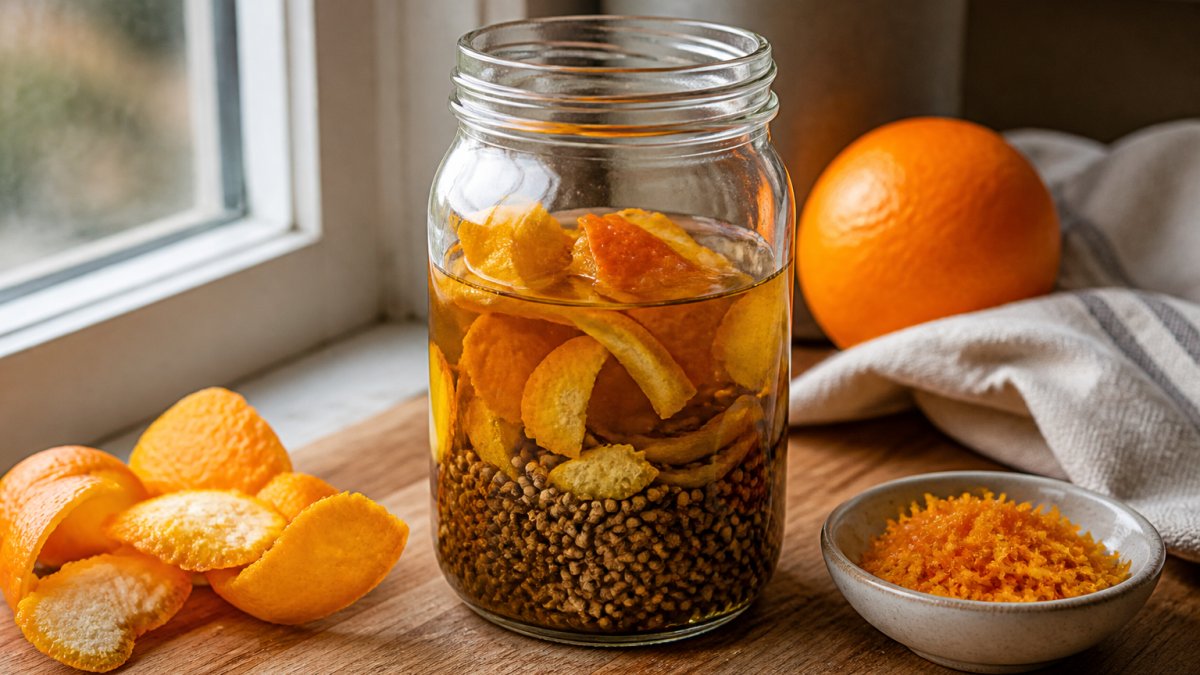
Ingredients and Exact Ratios
Here's what you need:
- 1 cup vegetable glycerin
- ½ cup filtered water
- Peel from 2 oranges, pith removed
- 1 tablespoon dried gentian root
- 1 teaspoon coriander seeds
- 4 whole cloves
- 1 small cinnamon stick
The ratio matters. Too much gentian and the bitters turn medicinal. Too little and you lose the bitter backbone that defines the style.
Watch out: Leaving the white pith on the orange peel adds a harsh, soapy bitterness that ruins the batch. Strip it off before you start.
Aromatic Bitters Recipe Without Alcohol
An aromatic bitters recipe without alcohol leans on warm spices instead of citrus. Think cinnamon, cloves, allspice, and a touch of vanilla.
Use these proportions:
- 1 cup vegetable glycerin
- ½ cup water
- 1 cinnamon stick
- 6 whole cloves
- 1 teaspoon allspice berries
- ½ teaspoon black pepper
- 1 tablespoon dried gentian root
- ¼ vanilla bean, split
Preparing Botanicals for Extraction
Crack whole spices lightly with the back of a knife or a mortar and pestle. This opens up the oils so the glycerin can reach them.
Don't grind them to powder. Fine powder clouds the final liquid and clogs your filter.
Dried botanicals work best for steeping. Fresh ones, like orange peel, should be used sparingly because they add water and shorten shelf life.
Comparing Extraction Methods: Glycerin, Water, and Vinegar
Glycerin is the best all-around choice for home bitters. It extracts flavor well, tastes mild, and keeps longer than water alone. But it is not the only option, and the method you pick changes the flavor, texture, sweetness, and shelf life of the finished bitters. Here is how the three main alcohol-free methods compare in practice.
| Method | Flavor Pull | Sweetness | Texture | Typical Shelf Life (Refrigerated) | Best For |
|---|---|---|---|---|---|
| Glycerin | Strong, rounded, extracts both water- and oil-soluble compounds | Noticeably sweet | Slightly syrupy | 3-6 months | Most home recipes, citrus and aromatic bitters |
| Water | Bright, light, extracts water-soluble compounds | None | Thin | 2-4 weeks | Quick test batches, tea-like bitters |
| Vinegar (apple cider or white wine) | Sharp, acidic, extracts some oils | None | Thin | 6+ months | Savory drinks, tomato- or herb-based mocktails |
Glycerin is a sugar alcohol that acts as a solvent for both water-soluble and oil-soluble flavor compounds. That dual action is why it pulls a rounder, more complete flavor than water alone. The trade-off is sweetness: glycerin tastes sweet on its own, so you may need less simple syrup in the final drink. Use food-grade vegetable glycerin, not cosmetic grade.
Water is the cheapest and fastest method. A hot-water infusion can be ready in hours rather than weeks. But water extracts mainly water-soluble compounds, so the flavor is brighter and thinner, and the lack of preservative means the batch spoils quickly. Make small batches and keep them refrigerated.
Vinegar pulls flavor well and lasts for months because its acidity inhibits microbial growth. The tang limits where you can use it: it shines in drinks with tomato, herb, or savory notes, but fights with creamy or fruity mocktails. Apple cider vinegar is the mildest choice; white wine vinegar is sharper. Balancing these acidic profiles requires a nuanced approach to crafting non-alcoholic mocktails that harmonize rather than clash with your chosen base ingredients.
A common mistake is mixing methods in one jar without measuring. Pick one base per batch so you can taste and adjust. If you want to compare methods, make three small parallel batches with the same botanicals and taste them side by side after two weeks.
How to Use Non-Alcoholic Bitters in Mocktails
Add 2 to 4 dashes of non-alcoholic bitters to a mocktail before stirring. That's enough to add depth without taking over the drink.
A few reliable pairings:
- Orange bitters plus soda water, lime juice, and simple syrup
- Aromatic bitters plus ginger beer and lemon
- Orange bitters plus tonic and a grapefruit twist
Dash the bitters into the glass first, then add ice and liquid. This helps the flavor spread evenly.
For readers building a full drink menu, our guide to the best botanical syrups for sophisticated mocktails shows which syrups layer well with homemade bitters. You can also check our roundup of the best mixers for mocktail recipes to find pairings that hold up. And if you want the drink to look as good as it tastes, see what glassware makes craft mocktails taste best.
Non-Alcoholic Bitters Substitute: What to Use When You're Out
A good non-alcoholic bitters substitute is a splash of strong brewed tea, a few drops of citrus oil, or a spoon of shrub mixer. Each brings bitterness or acid that mimics what bitters do.
Tea works in a pinch. Brew it strong, cool it, and use a teaspoon per drink. Black tea adds tannin, which reads as bitter on the tongue.
Citrus oil is more potent. A single drop of orange or grapefruit oil can replace a dash of bitters. Go slow, because oil overwhelms fast.
Shrub mixers bring acid and fruit in one step. If you're out of bitters and need something now, a 3 pack shrub mixer gives you a ready-made option you can pour straight into a glass.
Storing Your Bitters and Keeping Them Safe
Store homemade bitters in a sealed glass bottle in the fridge. Keep them away from heat and light. That is the short version. The longer version matters because alcohol-free bitters lack the preservative power of high-proof alcohol, so spoilage is a real risk.
Sanitation first. Wash bottles and caps in hot soapy water, rinse well, and let them air-dry completely before filling. Moisture left in the bottle dilutes the bitters and invites mold. Use clean, dry funnels and utensils. Label each bottle with the date you made it and the method used (glycerin, water, or vinegar).
Shelf life by method.
Spoilage signs. Discard the batch if you see mold, cloudiness that was not there before, a sour or off smell, or a change in color. Do not try to save a batch by straining out mold; toxins can remain in the liquid.
Trace alcohol considerations. If you use flavor extracts or tinctures as ingredients, check the label. Some extracts are alcohol-based, and a small amount can carry over into your bitters. For a strictly alcohol-free product, choose glycerin- or water-based extracts and read the ingredient list.
Practical storage tips. Keep bottles in the coldest part of the fridge, not the door. Avoid leaving bitters at room temperature for long periods.
Stock Your Home Bar with Drink Balo Mixers
Building a home bar takes good tools and good ingredients. Bitters are one piece. The mixers you pour them into are the rest.
At Drink Balo, we make non-alcoholic shrub sodas and shrub mixers from excess farmers market produce. Every bottle supports local growers and cuts food waste. Our drinks are grown to taste good and fermented to feel better, so you get the buzz without the alcohol.
Pair your homemade bitters with our raw kombucha or shrub mixers for a drink that tastes complex and feels clean. Ready to build your bar? Add to cart and start mixing.
Frequently Asked Questions
What is a non-alcoholic substitute for bitters?
You can replace bitters with a few pantry items. Strong brewed black tea with a squeeze of citrus adds tannin and aroma. A splash of apple cider vinegar or balsamic vinegar brings acidity and complexity. For a quick fix, use a few drops of orange extract mixed with a pinch of ground cinnamon. Each substitute changes the flavor profile, so start with small amounts and adjust to taste.
How long should homemade non-alcoholic bitters steep?
Steeping time depends on the extraction liquid. Glycerin-based bitters need 2 to 4 weeks in a cool, dark place, shaking the jar every few days. Strain and taste as you go; the flavor should be strong and concentrated before you bottle it.
Which herbs and spices work best in homemade bitters?
Start with a bittering agent like gentian root or dandelion root. Add aromatic spices such as cinnamon, cloves, nutmeg, allspice, and black pepper. Citrus peels (orange, lemon, grapefruit) provide bright notes. Coriander seeds and vanilla add warmth. For a floral touch, try orange blossom water or dried chamomile. Use a ratio of about 1 part bittering agent to 3 parts aromatic ingredients for balanced flavor.
Can you use non-alcoholic bitters in cooking or baking?
Yes, alcohol-free bitters work in marinades, dressings, sauces, and baked goods. Add a few dashes to whipped cream, chocolate desserts, or fruit compotes for depth. Because glycerin-based bitters are sweet, reduce added sugar in the recipe. Start with 1/4 teaspoon per serving and adjust. Avoid using vinegar-based bitters in delicate desserts, as the acidity can overpower other flavors.
