

Sophisticated Non-Alcoholic Beverage Options for 2026
Table of Contents
- What Makes a Non-Alcoholic Beverage Feel Sophisticated
- Quick Comparison: Top Non-Alcoholic Picks for 2026
- Non-Alcoholic Cocktail Recipes Using Shrub Mixers
- Benefits of Drinking Raw Kombucha as a Social Tonic
- How to Make Shrub Mixers at Home (and When to Buy)
- Ordering Non-Alcoholic Drinks at Bars and Restaurants
- Health Contraindications and What to Know Before You Sip
- Frequently Asked Questions
Last Updated: September 14, 2026
What Makes a Non-Alcoholic Beverage Feel Sophisticated
A sophisticated non-alcoholic beverage balances complexity, texture, and ritual. It should reward attention like a well-made cocktail, without leaning on sugar or artificial flavoring.
The sober-curious movement has pushed the industry past the novelty phase, and the bar for a serious adult beverage has risen. A drink that tastes like juice in a nice glass no longer passes.
At Drink Balo, our non-alcoholic shrub sodas and raw kombucha are built around fresh produce, natural fermentation, and real botanicals, because sophistication comes from what's inside the bottle.

Three qualities separate a genuinely sophisticated option from a dressed-up soft drink:
- Flavor profile depth. Layers of tart, herbal, and aromatic notes rather than a single sweet hit.
- Mouthfeel. Carbonation level, viscosity, and tannins all shape how "grown-up" a drink reads on the palate.
- Occasion fit. A good non-alcoholic option works in a wine glass, a coupe, or a highball without apology.
Quick Comparison: Top Non-Alcoholic Picks for 2026
Here's how the strongest options break down by category, price, and best use.
| Pick | Category | Price | Best For | Standout Quality |
|---|---|---|---|---|
| Drink Balo Santa Rosa plum & grapefruit shrub soda | Shrub soda | $18.00 / 4-pack | Apéritif hour, food pairing | Adaptogenic, probiotic, 4g cane sugar |
| Drink Balo Blueberry, moringa, yuzu shrub mixer | Shrub mixer | $19.50 / bottle | Home entertaining | Makes 16-18 drinks, prebiotic |
| Drink Balo Cold brew, dates & calamansi raw kombucha | Raw kombucha | $24.00 / 4-pack | Daytime social tonic | Naturally fermented, caffeinated |
| Drink Balo Cherry fig leaf raw kombucha | Raw kombucha | $24.00 / 4-pack | Evening nightcap | Botanical, low-sugar |
| Bottled NA apéritifs | Apéritif | Varies by retailer | Cocktail base | Bitter, herbal, complex |
| Canned functional beverages | Functional | Varies by retailer | Grab-and-go | Adaptogenic add-ins |
Bottled and canned options win on convenience; mixers and raw kombucha win on complexity and value per serving.

Non-Alcoholic Cocktail Recipes Using Shrub Mixers
Shrub mixers are the fastest route to a sophisticated non-alcoholic cocktail, because the acid, sugar, and fruit are already balanced.
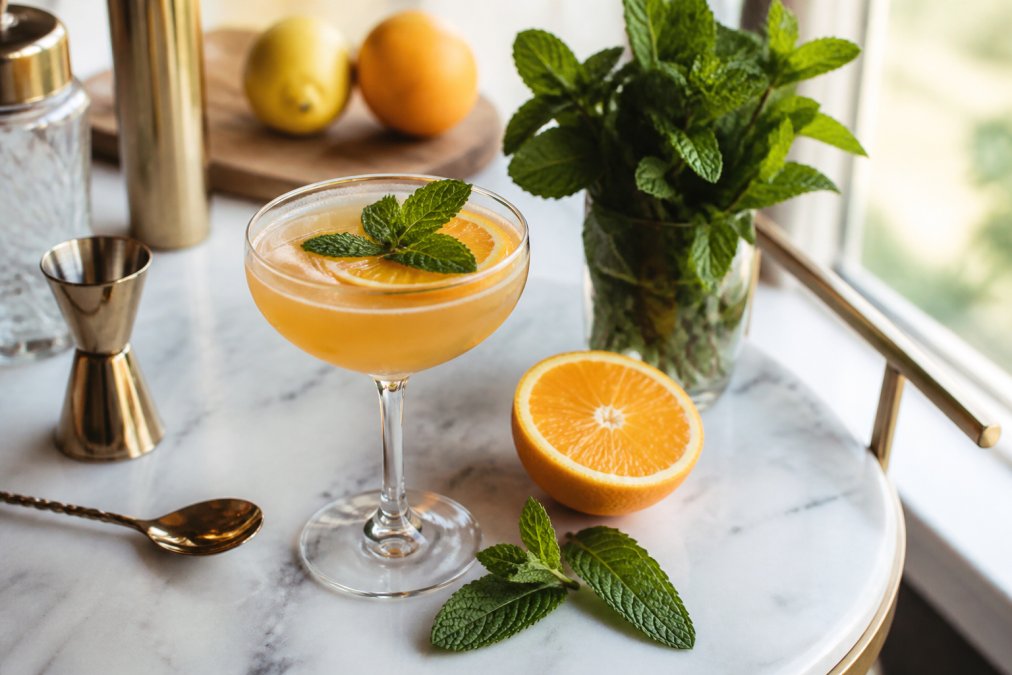
The Balo Spritz. Combine 1 oz shrub mixer with 5 oz sparkling water over ice. Garnish with a citrus twist. This is the house ratio, and it works with nearly any flavor.
The Botanical Highball. Add 1 oz shrub mixer to 4 oz tonic water, top with soda water, and finish with a rosemary sprig. The tonic's quinine adds bitterness that mimics an apéritif.
The Zero-Proof Sour. Shake 1.5 oz shrub mixer with 1 oz aquafaba and ice, then strain into a coupe. The aquafaba gives you the foam and body of a whiskey sour without the spirit.
A common mistake is over-diluting. Shrub mixers are concentrated, so start with less sparkling water than you think you need, taste, and adjust.
Benefits of Drinking Raw Kombucha as a Social Tonic
Raw kombucha earns its place as a social tonic because fermentation produces organic acids and live cultures, giving it complexity flat soda water can't match. The strongest options now sit alongside non-alcoholic spirits and apéritifs on the same shelf.
Raw kombucha stays refrigerated and ferments slowly, so a bottle that tastes bright on week one can read rounder and more cider-like by week four.
Tasting notes to look for. A well-made raw kombucha should hit three registers at once: a tart top note from the acetic and gluconic acids, a mid-palate fruit or botanical layer, and a dry, slightly tannic finish. If the only thing you taste is sugar, the batch is either young or back-sweetened. If the only thing you taste is vinegar, it's over-fermented.
How to pair it with food. Kombucha behaves more like a dry cider or a light sour beer than like soda, which makes it a surprisingly good food partner:
- Cherry and stone fruit flavors with aged gouda, cured pork, or a charcuterie board.
- Citrus and floral flavors with oysters, ceviche, or anything with a squeeze of lime.
- Herbal and tea-forward flavors with roasted vegetables, grain bowls, or mild curries.
- Ginger-heavy flavors with spicy Thai or Sichuan dishes, where the heat and the bite cancel each other out.
Functional ingredients worth knowing. Many newer kombuchas and social tonics include adaptogens and botanicals such as ashwagandha, reishi, lion's mane, L-theanine, and holy basil, usually added for a calm or wind-down effect rather than flavor. The dose on the label is the real question: a token sprinkle and a meaningful serving are not the same product.
Low-sugar and low-calorie reality check. A 12-ounce serving of raw kombucha typically lands between 2 and 8 grams of sugar and 25 to 60 calories, depending on flavor and fruit used (Food Search).
Drink Balo's raw kombucha line leans into this: Cherry Fig Leaf and Strawberry Fennel Flower are naturally fermented, low in sugar at 4 grams of cane sugar per serving, and built to be sipped slowly.

For anyone exploring guidance on fermented foods from the USDA, a few practical notes:
- Check the label for "raw" and "unpasteurized," not just "kombucha."
- Expect a slight vinegar tang. That's the fermentation working.
- Keep it cold. Warm storage accelerates fermentation and can make bottles lively.
- Look for a batch or bottling date. Freshness matters more here than in almost any other beverage category.
How to Make Shrub Mixers at Home (and When to Buy)
Making a shrub at home takes about 15 minutes of active work plus a few days of resting, and the core method is simple: fruit, sugar, and vinegar.
What You'll Need
- 2 cups fresh fruit, muddled
- 1 cup cane sugar
- 1 cup apple cider vinegar or champagne vinegar
- A clean glass jar and a fine-mesh strainer
Step 1: Macerate the fruit [Time: 10 minutes] Combine fruit and sugar in the jar. Stir, cover, and refrigerate for 24-48 hours until the sugar draws out the juice.
Step 2: Add the vinegar [Time: 2 minutes] Pour in the vinegar and stir. Cover and refrigerate another 3-7 days, tasting daily.
Step 3: Strain and bottle [Time: 5 minutes] Strain out the solids and refrigerate the syrup. It keeps for several weeks.
Expected Result: A tart, sweet-tart concentrate that mixes at roughly 1 part shrub to 5 parts sparkling water.
So when should you buy instead? When consistency matters. Homemade shrubs vary batch to batch, and vinegar can dominate. A bottled shrub mixer like Drink Balo's Concord Grape, Lime & Guava Leaf delivers the same complexity with a predictable flavor every time, and holds for 6 months refrigerated after opening.
Ordering Non-Alcoholic Drinks at Bars and Restaurants
Ordering well at a bar comes down to specificity. Bartenders build better drinks when you give them a direction rather than a negation, and this is what decides whether your night out feels effortless or like a negotiation. This same principle of precise articulation applies to the morning ritual as well, where selecting nuanced coffee alternatives allows for a more intentional start to the day.
Start with a script, not a shrug. The most reliable request is a spirit-free version of a classic: "a NA Negroni" or "a zero-proof Paloma." If the bar doesn't have a non-alcoholic spirits program, fall back to a template the bartender already knows:
- "Could you make me a bitter, herbal highball with tonic and a squeeze of grapefruit?"
- "I'd love something tart and refreshing, no alcohol, in a coupe if you have one."
- "Whatever you'd build with a shrub or a good tonic, I'm happy to trust you."
Read the room before you order. A craft cocktail bar with a printed non-alcoholic list is a different conversation than a sports bar with two taps and a well rail. At the craft bar, ask what NA options they carry and let the bartender guide you. At the neighborhood spot, keep it simple: soda water, bitters, and a citrus twist is a legitimate drink if you ask for it by name.
Handle the price question up front. A non-alcoholic cocktail often takes the same labor, glassware, and garnish as a full-proof one, and many bars price it accordingly. Saying "I'm happy to pay full cocktail price" removes the awkwardness and signals you're not looking for a discount.
Etiquette that keeps the night smooth.
- Don't apologize for not drinking. You don't owe anyone an explanation, and a confident order gets a better drink than a hesitant one.
- Tip on the full cocktail price, not on the lower NA price, if the bartender built you something with real effort.
- Order at the bar, not mid-round. Flagging a NA drink when the server takes the table's order keeps the pace normal and avoids a second trip.
- Ask about the glass. A coupe or a wine glass changes how the drink reads to everyone at the table, including you.
At restaurants, work with the wine list. Many now carry non-alcoholic wines, dealcoholized sparkling options, and NA apéritifs. If nothing is printed, ask the server what the kitchen can do with the bar's citrus, herbs, and soda, a good restaurant will build you a shrub-based spritz or tea-based highball without blinking.
What to avoid. Don't order a "virgin" version of a drink that's mostly spirit, like a virgin martini or a virgin whiskey sour. Without the alcohol, there's nothing left to carry the drink. Stick to templates where the mixer does the work: spritzes, highballs, sours, and anything built on tonic, ginger beer, or a shrub.
If you're hosting instead of going out, a few bottles of shrub soda on hand means you can pour something sophisticated in seconds.
Health Contraindications and What to Know Before You Sip
Non-alcoholic doesn't automatically mean suitable for everyone, and a few groups should check with a healthcare provider before making these drinks a habit.
Raw kombucha contains live cultures and trace alcohol from fermentation, typically well under the legal threshold for an alcohol-free label, but not zero.
Other groups to be cautious:
- People who are immunocompromised, since raw fermented products carry live cultures.
- Anyone with acid reflux or GERD, because vinegar-based shrubs and kombucha are both acidic.
- People managing histamine sensitivity, as fermented foods can be higher in histamines.
- Anyone on medication that interacts with fermented foods or grapefruit, since some shrubs use citrus.
The FDA guidance on food labeling and allergen information is a useful starting point for understanding what labels do and don't tell you. When in doubt, ask the maker directly about testing and alcohol content.
This is not medical advice. If you're managing a condition or taking medication, talk to your doctor before adding fermented beverages to your routine.
Choosing a sophisticated non-alcoholic beverage comes down to what you want it to do: refresh, pair with food, or stand in for a cocktail at a celebration. Most people want all three, which is why a stocked shelf beats a single bottle.
Drink Balo makes that easy. Our shrub sodas and mixers are naturally fermented, adaptogenic, and low in sugar, and every bottle is built from excess farmers market produce that supports local growers and keeps good fruit out of the waste stream. Grown to taste good, fermented to feel better.
Get started with Drink Balo and give your bar cart a non-alcoholic option you'll actually reach for.
Frequently Asked Questions
What are some classy non-alcoholic drinks for dinner parties?
Shrub mixers and raw kombucha make excellent dinner party options. Balo's Blueberry, Moringa, Yuzu Shrub Mixer ($19.50) makes 16-18 drinks when mixed with sparkling water, so one bottle serves a small gathering. Pair it with a garnish of fresh mint or a citrus twist. For variety, offer both a shrub soda and a kombucha so guests can choose between tart and fermented flavor profiles.
How do you make non-alcoholic drinks feel sophisticated?
Serve them in proper glassware like coupe glasses or stemmed wine glasses. Add a thoughtful garnish such as a dehydrated citrus wheel, fresh herb sprig, or edible flower. Use quality mixers with real ingredients rather than sugary syrups. Balo's shrub mixers use fresh farmers market produce, giving each drink genuine botanical complexity. The ritual of pouring and garnishing elevates the experience beyond what a can or bottle alone provides.
Are shrub sodas considered a sophisticated drink option?
Yes. Shrub sodas have a tart, vinegary base that gives them a complex flavor profile similar to craft cocktails. The fermentation process creates depth that sugary sodas lack. Balo's shrub sodas contain only 4 grams of cane sugar per serving and are naturally fermented with adaptogenic and probiotic properties. Their small-batch production and seasonal fruit sourcing make them a thoughtful choice for mindful drinking.
What ingredients make a non-alcoholic beverage taste complex?
Fermentation, botanical infusions, and quality acids create complexity. Shrubs use vinegar and fruit to build tartness and depth. Kombucha relies on fermentation for its tangy, slightly effervescent character. Bitters, herbs, and spices add layers. Balo's Concord Grape, Lime, and Guava Leaf Shrub Mixer combines fruit, citrus, and botanical notes in one bottle, which is why it works well as a base for non-alcoholic cocktail recipes.
How to host an event with high-end non-alcoholic options?
Stock two or three distinct options: a shrub mixer for mixing, a ready-to-drink kombucha for easy serving, and sparkling water as a neutral base. Balo's shrub mixers make 16-18 drinks per bottle, so one or two bottles cover most gatherings. Set up a small garnish station with citrus, herbs, and berries so guests can customize. Chill everything well before guests arrive, and keep opened bottles refrigerated.