

Why Drink Locally Sourced Kombucha
Table of Contents
- What Makes Locally Sourced Kombucha Different
- Health Benefits of Raw Kombucha
- How to Reduce Food Waste Through Local Kombucha
- Environmental Impact of Food Miles in Beverages
- Freshness, Quality, and Transparency You Can Trust
- Supporting Local Growers and Your Community
- Locally Sourced Kombucha vs. Mass-Produced Alternatives
- Conclusion
Last Updated: August 22, 2026
What Makes Locally Sourced Kombucha Different
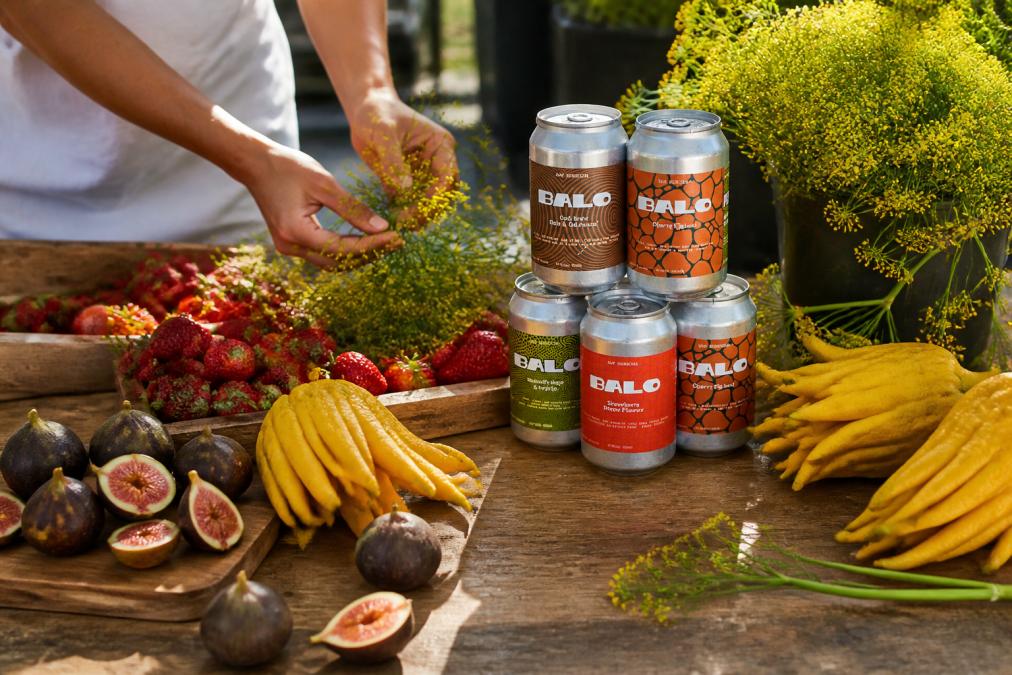
Locally sourced kombucha prioritizes freshness, transparency, and community impact over mass-market convenience. The primary difference lies in speed: commercial kombucha travels hundreds of miles and sits in warehouses for weeks, causing live probiotics to decline and fermentation to stall. Local producers like Drink Balo ferment small batches using excess farmers market produce and deliver within days, keeping probiotics actively alive when you drink it.
This freshness translates directly into bioavailability. Raw, unpasteurized kombucha retains its full enzyme profile and microbial diversity, with fermentation continuing slowly in your refrigerator. Mass-produced alternatives are often pasteurized to extend shelf life, killing the organisms that make kombucha valuable for digestive health.
Local producers also offer transparency: you can trace which farmers supplied the produce, the fermentation timeline, and SCOBY maintenance. Large manufacturers prioritize consistency and scalability, sometimes cutting corners on fermentation time or ingredient sourcing. Local producers answer directly to their community, creating accountability that mass production cannot replicate.
Health Benefits of Raw Kombucha
Raw kombucha delivers genuine health benefits when genuinely raw and fresh. Fermentation creates compounds your body can use, and live cultures support your microbiome in ways pasteurized versions cannot.
Probiotic Content and Gut Microbiome Support
Raw kombucha contains living probiotics, primarily Acetobacter and various Bacillus species, that reach your gut intact (peer-reviewed research). These microorganisms compete with harmful bacteria for resources, improving gastrointestinal function, nutrient absorption, and immune strength by strengthening your gut barrier.
Diversity matters: your gut thrives on varied bacterial strains performing different functions. Mass-produced kombucha typically contains limited strains due to standardized fermentation. Locally sourced kombucha, made with diverse farmers market produce, develops a more complex microbial ecosystem. Different fruits and vegetables introduce different bacterial strains, creating a broader spectrum of gut-supporting organisms.
Fermentation also produces organic acids, primarily acetic and gluconic acid, that lower digestive pH (peer-reviewed research). A more acidic environment favors beneficial bacteria and inhibits pathogens, which is why fermented foods have been used across cultures for thousands of years as digestive aids.
Immune System and Anti-Inflammatory Properties
Raw kombucha contains polyphenols from tea and fermented fruits, which are plant compounds with antioxidant properties. Antioxidants neutralize free radicals that damage DNA and accelerate aging, reducing oxidative stress and inflammation throughout your body.
Fermentation amplifies polyphenol content by breaking down complex plant compounds into simpler, more bioavailable forms your body can actually absorb. Raw, unfiltered kombucha is more effective than clear, pasteurized versions because fermentation solids contain the highest concentration of active compounds.
Additionally, a healthy gut microbiome produces short-chain fatty acids like butyrate, which strengthen your intestinal barrier and reduce systemic inflammation. When your gut barrier is strong, fewer inflammatory compounds enter your bloodstream, preventing your immune system from overreacting to harmless substances.
How to Reduce Food Waste Through Local Kombucha
Approximately one-third of all food produced globally is wasted (fao.org). Locally sourced kombucha solves this by design: producers partner with farmers markets to source excess produce, fruit that's perfectly nutritious but doesn't sell due to cosmetic imperfections or market timing. This produce would otherwise be discarded. By fermenting it into kombucha, local producers extend its life, increase its value, and keep it out of landfills.
When you choose locally sourced kombucha, you directly fund this waste-reduction system. Every bottle represents produce salvaged and transformed rather than discarded, creating economic incentive for farmers to save excess inventory. This also means local producers have consistent supplies of unique, seasonal ingredients, which is why locally sourced kombucha flavors change with seasons.
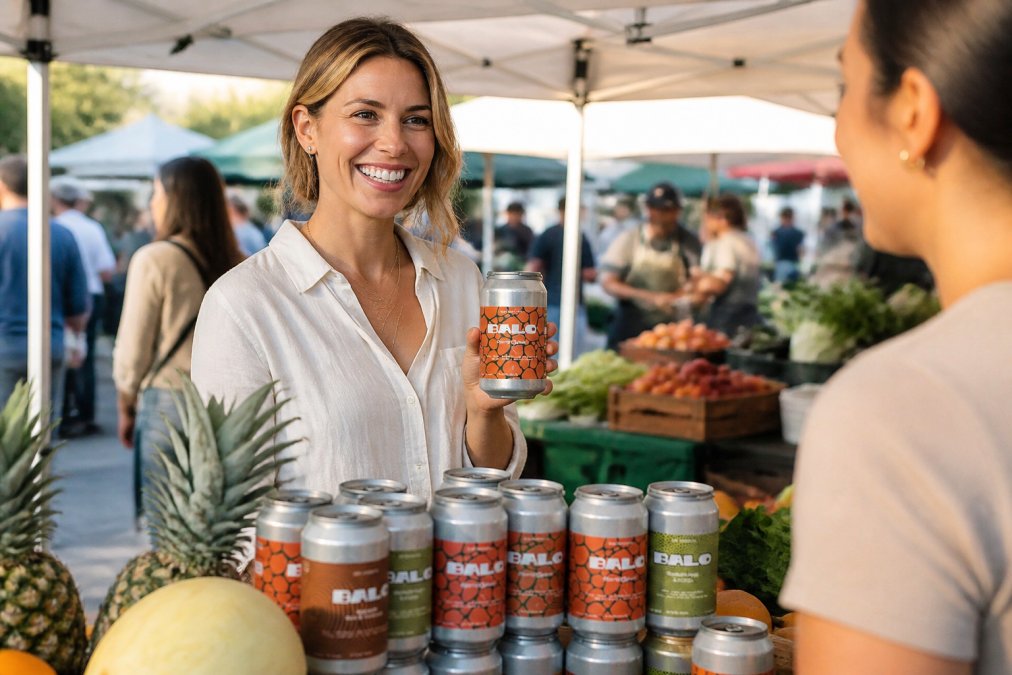
Waste reduction extends beyond produce: local fermentation requires minimal packaging, often using infinitely recyclable glass rather than plastic. Transport distances are shorter, lowering carbon emissions per bottle. The entire supply chain is optimized for efficiency rather than scale. benefits of local sourcing.
Environmental Impact of Food Miles in Beverages
Food miles directly correlate with carbon emissions. Mass-produced kombucha travels from industrial farms to processing facilities to distribution warehouses to retail stores to your home, often spanning hundreds of miles. Locally sourced kombucha spans just a few miles: farm to farmers market to fermentation facility to your home.
The carbon footprint difference is substantial. Transportation represents a significant portion of a beverage's environmental impact. Reducing food miles directly reduces emissions. Additionally, locally sourced kombucha supports agricultural practices typically more sustainable than industrial monoculture, as farmers market vendors often use organic or regenerative methods.
Local fermentation also supports biodiversity. When farmers grow diverse crops for local markets rather than monoculture crops for industrial processing, they create complex ecosystems supporting different insects and microorganisms, strengthening soil and reducing pest pressure naturally. This means less pesticide use and healthier agricultural land long-term.
Freshness, Quality, and Transparency You Can Trust
The moment kombucha is fermented, it begins a slow decline. Probiotics gradually decrease, and subtle flavor compounds flatten. Freshness matters significantly for kombucha quality.
Locally sourced kombucha offers transparency impossible with mass production. You can ask directly: When was this fermented? Which farm supplied the produce? How long has it been refrigerated? You can visit the production facility, see the SCOBY, and understand the process firsthand.
Quality also manifests in variation. Raw kombucha naturally varies batch to batch because fermentation is biological, influenced by temperature, humidity, and microbial populations. Local producers embrace this variation as authenticity. Each batch tastes slightly different because it's made with seasonal produce. Mass producers eliminate variation through pasteurization and standardization, stripping the product of its living qualities.

Drink Balo's raw kombucha remains fresh in the refrigerator for up to 9 months, meaning you can stock up without worrying about expiration. This extended shelf life comes from proper fermentation and storage, not pasteurization.
Supporting Local Growers and Your Community
When you buy locally sourced kombucha, money flows directly into your local economy. A portion of every purchase goes back to farmers who grew the produce, creating economic incentive for farmers to stay in farming and preserving agricultural land.
Local agriculture supports biodiversity in ways industrial agriculture cannot. Farmers growing diverse crops for local markets maintain seed varieties, support pollinators, and preserve agricultural knowledge. Industrial agriculture consolidates production around a few high-yield crops, reducing genetic diversity and making food systems fragile. Local food systems are resilient because they're diverse.
Supporting local producers also builds community. Farmers market culture creates face-to-face relationships between producers and consumers. You know the person who grew your food and can ask about their practices. This direct relationship creates accountability and shared values that mass production cannot replicate.
Local businesses reinvest in their communities. Drink Balo sources from local farmers, employs local staff, and sources supplies from local vendors where possible. Your purchase supports multiple local businesses simultaneously, creating a multiplier effect in the local economy.
Locally Sourced Kombucha vs. Mass-Produced Alternatives
| Aspect | Locally Sourced Kombucha | Mass-Produced Kombucha |
|---|---|---|
| Fermentation Timeline | 30-60 days, allowing full flavor development | 10-14 days, standardized for efficiency |
| Probiotic Count | High at purchase, continues fermenting in refrigerator | Lower at purchase, may decline during transport |
| Ingredient Sourcing | Excess farmers market produce, seasonal variety | Industrial agriculture, consistent but limited variety |
| Pasteurization | Raw and unpasteurized | Often pasteurized for shelf stability |
| Transparency | Direct producer access, traceable supply chain | Anonymous supply chain, marketing-driven information |
| Flavor Profile | Unique per batch, develops complexity | Standardized, consistent across all bottles |
| Environmental Impact | Low food miles, supports local agriculture | High food miles, industrial farming practices |
| Price Point | Higher per bottle, reflects true production cost | Lower per bottle, subsidized by scale |
| Shelf Life | 9 months refrigerated | 6-12 months at room temperature (pasteurized) |
The choice reflects your priorities. If you prioritize maximum probiotic content, environmental sustainability, and community support, locally sourced is the clear choice. Drink Balo's approach represents the locally sourced model at its best, transforming excess farmers market produce into raw kombucha while reducing food waste and supporting local growers. The 8-pack mixed raw kombucha offers variety for exploring flavors, while the 12-pack raw kombucha makes sense if you've found your favorites. Each bottle contains 4 grams of cane sugar and remains shelf-stable for up to 9 months when refrigerated.

Locally sourced kombucha represents a fundamentally different choice than mass-produced alternatives. It's fresher, more probiotic-rich, better for the environment, and supports your community's farmers and producers. The premium you pay reflects genuine value: real fermentation, real probiotics, real waste reduction. Start with the 4-pack Strawberry fennel flower raw kombucha to experience the difference freshness makes.

Frequently Asked Questions
What are the health benefits of raw, locally sourced kombucha?
Raw, locally sourced kombucha delivers live probiotics that support gut microbiome diversity and digestive health. The fermentation process produces organic acids and polyphenols that reduce inflammation and support immune function. Because locally sourced kombucha is typically fresher and unpasteurized, it retains more enzymes and beneficial bacteria than mass-produced shelf-stable alternatives. The shorter time from fermentation to your glass means maximum bioavailability of these nutrients.
How does buying locally sourced kombucha help reduce food waste?
Local kombucha producers like Drink Balo transform excess farmers market produce that would otherwise be discarded into delicious, nutrient-dense beverages. By purchasing locally sourced kombucha, you're directly supporting a supply chain that diverts food waste from landfills. This model also reduces overproduction pressure on growers, encouraging them to harvest sustainably. Every bottle represents saved produce and reduced environmental impact compared to conventional beverage production.
Does locally sourced kombucha have more probiotics than mass-produced brands?
Raw, locally sourced kombucha typically contains more active probiotics because it's unpasteurized and consumed closer to fermentation completion. Mass-produced kombucha is often pasteurized for shelf stability, which kills beneficial bacteria and reduces probiotic content. Local fermentation also allows for small-batch, careful monitoring of the SCOBY and fermentation conditions, resulting in more diverse gut flora strains. For maximum probiotic benefit, choose unpasteurized, locally fermented options kept refrigerated.
Why is raw kombucha better than pasteurized options?
Raw kombucha retains all living probiotics, enzymes, and organic acids that support gut health and metabolism. Pasteurization kills these beneficial microorganisms to extend shelf life, eliminating the core functional benefit. Raw kombucha also maintains better nutrient density and bioavailability of B vitamins and minerals. The trade-off is a shorter shelf life, which locally sourced kombucha handles efficiently through direct-to-consumer models and regular turnover, ensuring you get the freshest product.
This article was written using GrandRanker