

Benefits of Upcycled Produce Beverages
Table of Contents
- What Are Upcycled Produce Beverages?
- How to Reduce Food Waste Through Fermented Drinks
- Environmental Impact and Carbon Footprint Reduction
- Nutritional Profile and Probiotic Benefits
- Benefits of Raw Kombucha and Sustainable Fermented Drinks
- Economic Benefits for Growers and Producers
- Consumer Sensory Experience and Flavor Innovation
- Regulatory Landscape and Upcycled Certification
- Frequently Asked Questions
Last Updated: September 3, 2026
What Are Upcycled Produce Beverages?
Upcycled produce beverages are drinks created from food surplus and by-products that would otherwise be discarded. Rather than letting excess farmers market produce, cosmetically imperfect fruit, or processing by-products go to waste, these beverages transform surplus ingredients into flavorful, nutrient-dense drinks through fermentation and other processing methods.
At Drink Balo, we source excess farmers market produce and ferment it into raw kombucha, shrub sodas, and shrub mixers. Every bottle represents a direct intervention in the food waste problem: ingredients that would have been composted instead become something people want to drink. By-product valorization, converting waste into valuable products, requires rethinking ingredient selection and production. An upcycled beverage company sees apple peels, spent grains, or cosmetically imperfect berries as the foundation of something better, more flavorful, and more sustainable.

How to Reduce Food Waste Through Fermented Drinks
Fermentation initiates a biological process where beneficial microorganisms break down sugars and create new compounds, making fermented drinks a legitimate food waste reduction strategy rather than just creative use of scraps.
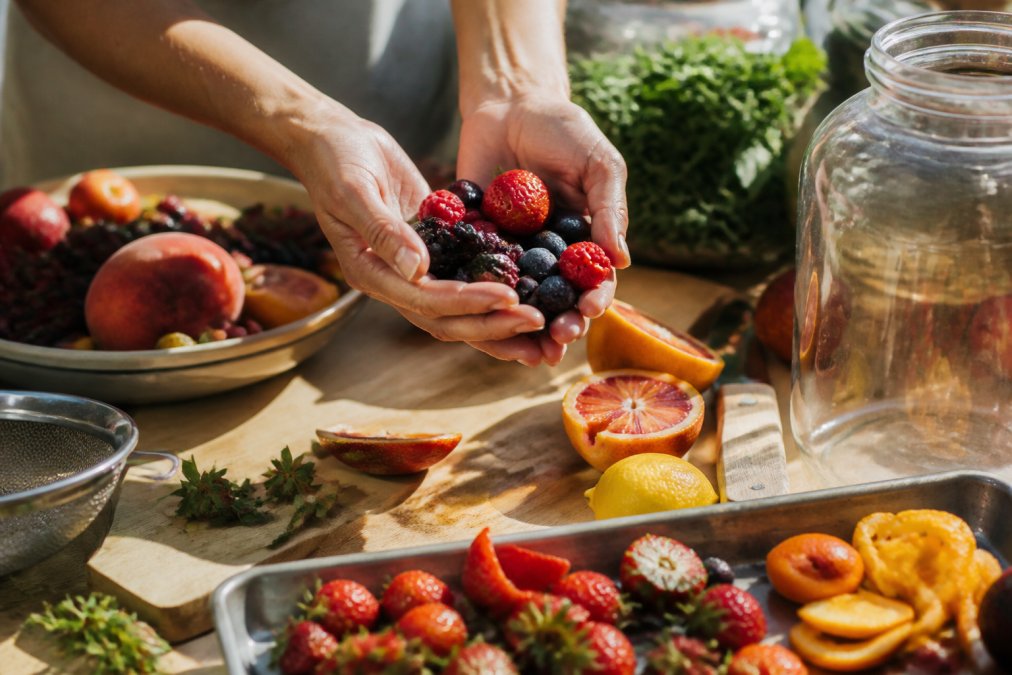
Food waste reduction works at multiple levels. First, there's direct capture of ingredients that would otherwise be discarded, slightly bruised or overripe fruit from farmers markets. Second, there's supply chain efficiency gained by processing ingredients immediately rather than letting them spoil. Third, there's extended shelf life fermentation provides, meaning less waste downstream when the finished product reaches consumers.
Fruits and vegetables are cleaned, prepared, and combined with a starter culture or existing fermented liquid. Temperature, time, and oxygen exposure influence fermentation progression. A shrub soda typically ferments for 5-14 days depending on desired tartness and carbonation (peer-reviewed research). Because slightly overripe berries have more concentrated sugars and flavor compounds than firm, underripe ones, upcycled ingredients often deliver superior flavor intensity.
A single beverage company processing hundreds of pounds of farmers market surplus weekly removes that volume from landfills entirely. The real power of fermented drinks as a waste reduction strategy is that they create economic incentive: farmers sell surplus at better-than-wholesale prices, beverage makers get premium ingredients at reasonable cost, and consumers get fresher, more flavorful products.
Environmental Impact and Carbon Footprint Reduction
Preventing waste requires far less energy than managing it. A pound of fruit that becomes a beverage never enters the waste stream. Life Cycle Assessment studies show that production typically accounts for 50-70% of total environmental impact (peer-reviewed research). When using produce already grown, that carbon cost is sunk. Converting it to a finished product instead of discarding it yields a beverage with lower carbon footprint than conventionally sourced alternatives.
Upcycled produce beverages, especially those sourced from local farmers markets, compress supply chains dramatically. Fewer miles traveled, fewer intermediaries, less cold chain infrastructure required. Packaging represents another environmental advantage, because the product has genuine value, producers can justify investment in sustainable packaging like glass bottles, which have higher recycling rates than single-use plastics.
Health-conscious and environmentally aware buyers seek evidence that their purchasing decisions align with their values. Upcycled beverages provide that alignment as a tangible way to participate in waste reduction.
Nutritional Profile and Probiotic Benefits
Nutritional density comes from two sources: the produce itself and fermentation. Because upcycled beverages use fully ripe or slightly overripe fruit, they contain higher concentrations of natural sugars, vitamins, and phytonutrients than fruit picked earlier. Fermentation transforms these compounds into more bioavailable forms and introduces beneficial compounds not present in raw ingredients.
Raw fermentation preserves live cultures throughout the product's shelf life. These cultures, primarily Lactobacillus species and other beneficial bacteria, deliver probiotic benefits. The fermentation process generates these organisms as a byproduct of their metabolism, creating naturally probiotic products without added supplements.
Fermentation increases B vitamin availability, creates organic acids that support digestion, and generates compounds like butyrate that feed beneficial gut bacteria. For consumers seeking functional, non-alcoholic alternatives to conventional beverages, upcycled fermented drinks offer measurable nutritional advantages without the sugar load of typical sodas or juices.
Benefits of Raw Kombucha and Sustainable Fermented Drinks
Raw kombucha is fermented tea, typically black or green tea combined with a SCOBY (symbiotic culture of bacteria and yeast) that transforms the tea into a tangy, slightly effervescent beverage over 7-30 days (the CDC).
Why Raw Fermentation Matters
Raw fermentation preserves living cultures that develop during fermentation. Pasteurized kombucha has been heated to kill organisms, extending shelf life but eliminating probiotic benefits. Raw kombucha remains alive, with cultures continuing metabolic activity even in the bottle. For consumers seeking probiotic benefits, raw fermentation delivers on that promise.
Raw fermentation also impacts flavor development. Living cultures continue producing organic acids and compounds that contribute to taste complexity. A raw kombucha bottle tastes noticeably different at purchase than two months later, with flavor deepening and becoming more sophisticated. This continued fermentation is an advantage for consumers who appreciate nuance.
Sustainable Fermented Drinks Support Local Growers
When beverage producers source excess farmers market produce, they create a market for surplus. Farmers know they can sell produce that doesn't meet retail standards at fair prices, which changes their economic calculus around harvest and production. A farmer might hesitate to grow extra fruit if the only outlet is retail markets with strict cosmetic standards. But with a beverage producer buying regular volumes of surplus, farmers can optimize for yield and flavor rather than appearance.
Sustainable fermented drinks stabilize farmer income. Farmers markets are inherently variable; a beverage producer buying regular volumes provides income stability that helps farmers plan and invest in operations. This is particularly important for small-scale producers lacking resources to absorb market volatility.
Economic Benefits for Growers and Producers
The economic model creates value at multiple points. For growers, the direct benefit is access to a market for produce that would otherwise have zero value. Cosmetically imperfect peaches, overripe berries, or seasonal gluts suddenly become sellable inventory at prices higher than wholesale but lower than retail.
For beverage producers, the economic advantage is ingredient cost. Sourcing from farmers markets rather than conventional wholesale channels means access to fresher, more flavorful produce at surplus prices. This cost advantage can be reinvested in product quality, packaging, or brand building.
A beverage company processing local farmers market produce creates direct employment in production, quality control, sales, and distribution, plus indirect employment through packaging suppliers and logistics providers. As volume increases, fermentation economics improve, a facility processing 100 pounds weekly can often scale to 500 pounds without dramatic cost increases.
Consumer Sensory Experience and Flavor Innovation
Because upcycled beverages are made from fully ripe or slightly overripe fruit, they deliver flavor intensity difficult to match with conventionally sourced ingredients. Fermentation creates complexity, adding tartness, depth, and subtle notes absent in original fruit.
Seasonality becomes a feature rather than limitation. Because upcycled producers work with what's available from farmers markets, their product line changes seasonally. Summer brings stone fruits and berries; fall brings apples and pears; winter brings citrus. Consumers anticipate seasonal flavors and view each release as special rather than commodity. This seasonal variation drives repeat purchases.
Thoughtful ingredient pairing elevates sensory experience. Concord grape with lime and guava leaf creates complex, slightly herbaceous flavor. Santa Rosa plum with grapefruit delivers tartness and depth. Blueberry with moringa and yuzu adds adaptogenic support. The slight carbonation from natural fermentation, body from fermented compounds, and flavor complexity create more satisfying drinking experiences than conventional beverages.

Regulatory Landscape and Upcycled Certification
The regulatory environment for upcycled produce beverages is evolving as demand grows. The FDA and state regulatory agencies focus on food safety and labeling accuracy, both applicable to upcycled beverages. The Upcycled Food Association has developed certification criteria defining what qualifies as an upcycled food product. To be certified upcycled, a product must use ingredients that would otherwise be discarded, with upcycled ingredients comprising a meaningful portion, typically 10% or more by weight for beverages.
Certification provides third-party verification that products meet upcycled standards. Without certification, any beverage company could claim upcycled status without substantiation. For producers serious about upcycled positioning, certification demonstrates commitment and provides marketing differentiation.
Labeling requirements fall under standard FDA food labeling rules. Ingredients must be listed accurately, nutritional information provided, and health claims substantiated. For fermented beverages, there's an additional layer around probiotic claims. The FDA has been cautious because probiotics are considered a drug category in many contexts. Beverages can be labeled "naturally fermented" or "contains live cultures," but claims that products treat, prevent, or cure conditions require drug approval. Most fermented beverage producers use descriptive language like "supports gut health" rather than medical claims.
| Regulatory Aspect | Requirement | Implication for Producers |
|---|---|---|
| Ingredient sourcing | Ingredients must be food-grade and safe | Upcycled ingredients must meet same safety standards as conventional ingredients |
| Labeling accuracy | All ingredients and nutrition must be accurate | Requires testing and documentation, especially for fermented products with variable nutrition |
| Probiotic claims | Cannot make drug-like health claims | Use descriptive language like "naturally fermented" instead of "treats" or "prevents" |
| Fermentation safety | Products must be safe from pathogens | Raw fermentation requires proper pH, temperature, and sanitation controls |
| Upcycled certification | Optional but recommended for credibility | Third-party verification provides consumer confidence in sustainability claims |
Regulatory compliance is achievable but requires attention. Sourcing documentation must demonstrate that ingredients were actually surplus or by-products. Testing verifies fermentation produced safe, stable products. Labeling must be accurate and not misleading.
Upcycled produce beverages address environmental concerns by preventing waste and reducing carbon footprint, deliver genuine nutritional benefits through fermentation, create economic opportunity for local growers and producers, and offer consumers sensory experiences more complex than conventional alternatives.
Drink Balo's shrub sodas and shrub mixers demonstrate this model in practice. Each bottle is made from excess farmers market produce, naturally fermented to preserve live cultures, and designed to deliver both flavor and functional benefit. The Concord grape, lime, and guava leaf combination at $18.00 for a 4-pack of 8.5 oz bottles shows that premium quality and sustainable sourcing don't require premium pricing. For consumers seeking sophisticated, non-alcoholic alternatives that align with values around food waste and local support, upcycled produce beverages represent a category worth exploring seriously.

Frequently Asked Questions
Are upcycled produce beverages as healthy as fresh juice?
Upcycled produce beverages deliver distinct nutritional advantages through fermentation. The natural fermentation process creates probiotics and increases bioavailability of nutrients, meaning your body absorbs them more effectively than fresh juice alone. Raw kombucha and shrub sodas retain the fiber and nutrients from whole produce while adding beneficial microorganisms. Unlike pasteurized juices, fermented upcycled beverages maintain enzyme activity and nutrient density, making them a functional choice that supports gut health and digestion.
How do sustainable fermented drinks reduce food waste in the supply chain?
Sustainable fermented drinks transform produce that would otherwise be discarded into valuable products. Farmers market surplus, cosmetically imperfect fruits, and vegetable by-products become the raw material for fermentation. This by-product valorization keeps perfectly nutritious produce out of landfills while creating economic value for growers. By sourcing excess inventory directly from local farmers, companies establish a circular economy model where nothing goes to waste. Each bottle represents food that would have been lost, making every purchase an active vote for resource recovery and waste reduction.
What makes raw fermentation different from pasteurized kombucha?
Raw fermentation preserves live cultures, enzymes, and beneficial bacteria that are killed during pasteurization. Raw kombucha maintains its full probiotic profile, delivering active cultures that support digestive health and immune function. The fermentation process continues slowly in the refrigerator, allowing deeper flavor development and nutrient transformation. Pasteurized alternatives prioritize shelf stability over health benefits, removing the very microorganisms that make fermented drinks functional. Raw fermentation also means no artificial stabilizers or added probiotics are needed, giving you authentically fermented nutrition.
Is there a certification I should look for when buying upcycled beverages?
The Upcycled Food Association certifies products that meet rigorous standards for ingredient sourcing and environmental impact. Look for the Upcycled Certification seal, which verifies that products use food that would otherwise be wasted and meet FDA food safety requirements. Third-party testing for probiotic content and fermentation authenticity provides additional assurance of product quality. When shopping, check for transparency about fermentation methods, ingredient sourcing from local growers, and refrigeration requirements, these indicators show a brand's commitment to genuine sustainability and nutritional integrity.
This article was written using GrandRanker