

Why Choose Locally Fermented Sodas: A 2026 Guide
Table of Contents
- What Makes Locally Fermented Sodas Different
- How Fermentation Creates Real Probiotics and Live Cultures
- Benefits of Raw Kombucha and Fermented Beverages
- What Are Shrub Mixers and Why They Matter
- How to Reduce Food Waste Through Local Fermentation
- Safety, Fermentation Time, and Bottle Conditioning
- Locally Fermented Sodas vs. Mass-Produced Alternatives
- Conclusion
Last Updated: August 30, 2026
What Makes Locally Fermented Sodas Different
Locally fermented sodas undergo natural lacto-fermentation, where live cultures transform simple ingredients into complex, probiotic-rich beverages, fundamentally different from industrial carbonation and synthetic additives. At Drink Balo, we transform excess farmers market produce into beverages that work as hard as they taste good.
Mass-produced sodas are carbonated mechanically and stabilized with preservatives for months of shelf stability. Locally fermented sodas develop carbonation naturally through secondary fermentation, where yeast and lactic acid bacteria consume residual sugars and produce carbon dioxide as a metabolic byproduct. The microbes continue their work in the bottle, creating enzymes and organic acids your digestive system can recognize and use.
How Fermentation Creates Real Probiotics and Live Cultures
When fruit, herbs, and sugar combine in the right environment with proper microbial cultures, the microbes consume sugar and produce lactic acid, acetic acid, and other compounds. These byproducts lower the pH, creating an environment hostile to pathogens while encouraging beneficial bacteria growth.
The probiotics in fermented sodas are living organisms, primarily Lactobacillus and other lactic acid bacteria species. They emerge naturally during fermentation as the dominant microbial population. This microbial diversity produces broader health benefits than single isolated strains.
Glass containers allow visual monitoring while preventing chemical leaching. Temperature control is critical: fermentation at 65-75°F proceeds slowly but produces complex flavors and stable cultures (peer-reviewed research). During secondary fermentation, the bottled liquid is sealed with additional sugar. Remaining yeast consumes that sugar and produces carbon dioxide, creating natural carbonation through biological activity.
Benefits of Raw Kombucha and Fermented Beverages
Raw fermented sodas deliver benefits beyond hydration. The fermentation process creates compounds associated with digestive and immune support, particularly the live cultures that populate your gut microbiota after consumption.
Your gastrointestinal health depends on the bacterial ecosystem in your digestive tract. Consuming fermented beverages with active cultures introduces beneficial bacteria directly into this environment, potentially improving microbial diversity and supporting short-chain fatty acid production that your intestinal lining uses for energy and protection.
Fermented sodas contain organic acids produced during fermentation. Lactic acid and acetic acid lower the pH, supporting your stomach's natural acid environment and potentially improving nutrient absorption. Fermentation also breaks down complex sugars and creates B vitamins, B1, B2, B6, and B12, that weren't present in original ingredients.
Fermentation produces enzymes that assist in breaking down food in your digestive system. While your body produces its own digestive enzymes, consuming additional enzymes from fermented foods may reduce digestive burden, particularly with heavy or complex meals.
What Are Shrub Mixers and Why They Matter
Shrub mixers blend traditional shrub-making with modern fermentation techniques. A shrub is historically a concentrated fruit and vinegar syrup; modern shrub mixers add fermentation, creating a sophisticated non-alcoholic base that works standalone or as a mixer.
Fermented shrub mixers develop natural tartness and depth that commercial syrups cannot match. The fermentation process creates subtle complexity from multiple yeast and bacterial strains. This makes shrub mixers work beautifully in mixed drinks, sparkling water, or as standalone beverages.
For the sober-curious, shrub mixers solve a specific problem: creating sophisticated, flavorful drinks for social settings without alcohol. A quality shrub mixer transforms simple sparkling water into something intentional and craft-oriented, with depth and nuance that feels like a real drink choice.
Fermented shrub mixers contain the same probiotic and enzymatic benefits as other fermented sodas. Drink Balo's shrub sodas, like our Passionfruit Makrut Lime and Santa Rosa Plum & Grapefruit varieties, exemplify this category. Each 4-pack of 8.5 oz bottles contains naturally fermented shrub soda with just 4 grams of cane sugar per bottle, adaptogenic herbs, and live probiotic cultures.
How to Reduce Food Waste Through Local Fermentation
Food waste in agricultural supply chains is staggering. Farmers markets, grocery stores, and restaurants discard perfectly edible produce that doesn't meet cosmetic standards or exceeds immediate demand. Local fermentation transforms this waste stream into high-value products.
Excess or imperfect produce, slightly bruised apples, odd-shaped stone fruits, overripe berries, seasonal vegetable gluts, ferments beautifully. The fermentation process doesn't require perfect specimens; fully ripe fruit often ferments more readily because sugars are more accessible to fermenting microbes.
When you buy locally fermented sodas made from farmers market surplus, you create direct economic incentive for farmers to harvest and preserve surplus rather than compost it. A farmer with excess peaches can sell them at a discount to a fermentation producer. The farmer gets revenue, the producer gets affordable raw material, and the consumer gets a better product at lower cost.
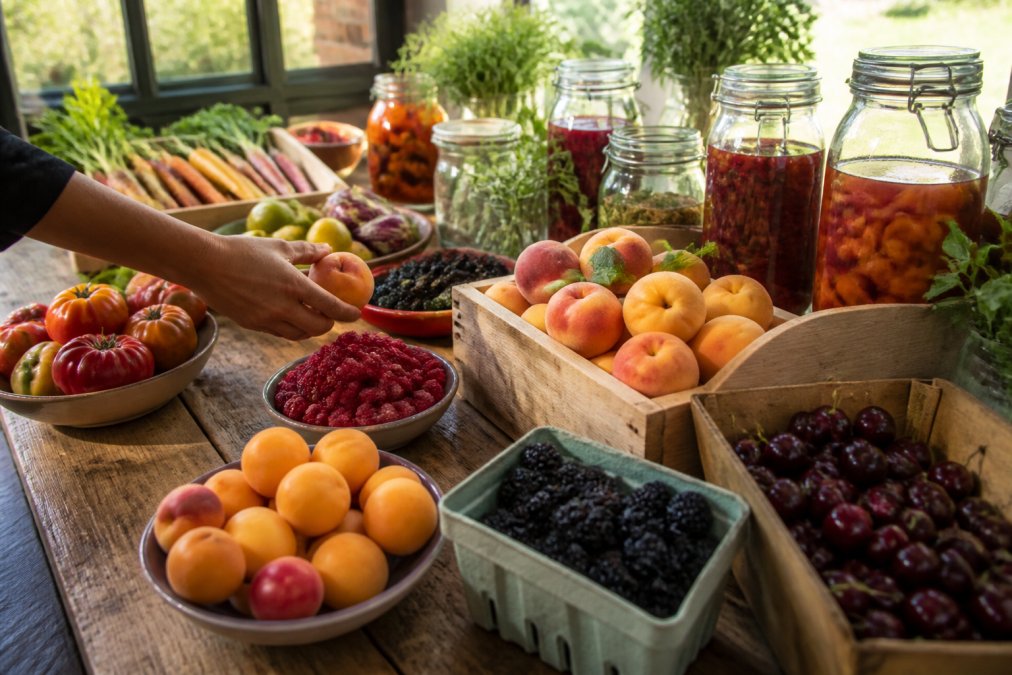
Fermentation's preservation capability is key. Fresh fruit spoils within days; fermented products remain stable for months when stored properly. A farmer's surplus harvest can be transformed into products generating revenue throughout the year. For consumers, this means access to seasonal flavors year-round without long-distance shipping costs.
Safety, Fermentation Time, and Bottle Conditioning
Fermentation safety depends on conditions supporting beneficial microbes while preventing harmful pathogens. The primary safety mechanism is pH. Lactic acid fermentation rapidly lowers pH to levels (typically below 4.0) where most pathogens cannot survive, creating an environment hostile to Clostridium botulinum and other anaerobic pathogens (the CDC).
Fermentation time directly affects safety. Most practitioners recommend a minimum 5-7 day initial fermentation period, with pH testing to confirm safe acidity before bottling (the FDA). Secondary fermentation in sealed bottles typically proceeds 3-14 days depending on temperature and desired carbonation.
Temperature control is critical for both safety and flavor. Fermentation below 60°F proceeds very slowly and may stall. Temperatures above 85°F accelerate fermentation but can favor unwanted microbes and produce off-flavors. The optimal range is 65-75°F, allowing controlled fermentation and good flavor development.
Bottle conditioning requires careful attention to pressure buildup. As yeast consumes residual sugar and produces carbon dioxide, pressure increases inside the bottle. Bottles designed for pressure (swing-top or beer bottles) safely contain this pressure. Standard bottles risk exploding if pressure exceeds design limits. Many fermenters periodically "burp" bottles during conditioning to prevent over-carbonation.
Raw fermented products should be kept refrigerated after fermentation completes. Cold temperatures dramatically slow microbial activity. Most locally fermented sodas maintain quality for 2-3 months when refrigerated.
Locally Fermented Sodas vs. Mass-Produced Alternatives
The differences between locally fermented sodas and mass-produced alternatives reflect fundamentally different production philosophies. Mass-produced sodas prioritize consistency and shelf stability, requiring pasteurization, mechanical carbonation, and preservatives to remain stable for 12+ months without refrigeration.
Locally fermented sodas prioritize living cultures and functional content. They're designed for relatively fresh consumption, refrigerated storage, and appreciation for complexity and variation. Each batch develops differently based on seasonal ingredients, ambient temperature, and specific microbial cultures present.
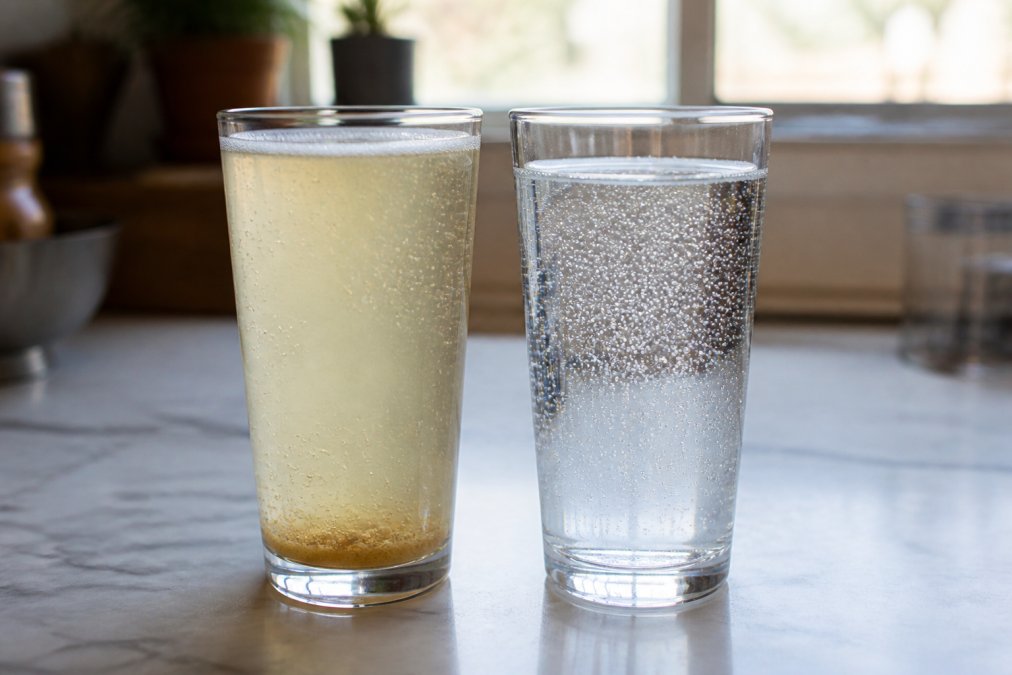
Nutritional profiles differ significantly. Mass-produced sodas typically contain minimal viable probiotics due to pasteurization. Locally fermented sodas contain active, living cultures at consumption time.
Sugar content differs markedly. Many mass-produced sodas contain 20-30 grams of sugar per serving. Locally fermented sodas contain far less residual sugar because fermentation consumes most of it. Drink Balo's shrub sodas contain just 4 grams of cane sugar per 8.5 oz bottle.
Ingredient lists reveal another distinction. Mass-produced sodas often contain synthesized flavor compounds, preservatives like potassium sorbate or sodium benzoate, and stabilizers. Locally fermented sodas typically contain only base ingredients (fruit, herbs, water, sugar) plus what fermentation naturally creates.
Locally fermented sodas cost more per bottle, typically $4-5 versus $1-2 for mass-produced alternatives, reflecting small-batch production, premium sourcing, and fermentation labor. However, the cost-per-serving of actual functional content is often lower because you're getting real functional compounds rather than marketing claims.
Conclusion
Choosing locally fermented sodas represents a shift toward intentional consumption. You're selecting drinks made through living fermentation rather than industrial processing, supporting local agricultural producers, and prioritizing functional content over shelf stability.
Drink Balo's approach to fermented beverages, crafting raw kombucha and shrub sodas from farmers market surplus, demonstrates what's possible when prioritizing quality fermentation over mass production. Our naturally fermented options deliver the probiotics, enzymes, and flavor complexity that come from real fermentation. Add your favorite Drink Balo shrub soda to your cart today and experience the difference that real fermentation makes.
Frequently Asked Questions
Are locally fermented sodas actually healthier than regular soda?
Yes. Locally fermented sodas contain live probiotics, enzymes, and beneficial bacteria that support gut microbiota and gastrointestinal health, benefits absent in mass-produced sodas. They're lower in added sugar and free from artificial sweeteners. Raw fermentation preserves B vitamins and increases nutrient bioavailability, making each bottle functional rather than just flavorful. Unlike conventional soda, fermented options support immune function and digestive wellness.
What's the difference between locally fermented sodas and store-bought kombucha?
Local fermentation offers superior control over ingredients, fermentation kinetics, and microbial diversity. Store-bought kombucha is often pasteurized, killing live cultures and reducing probiotic benefits. Locally fermented sodas use fresh, excess farmers market produce, supporting local growers and reducing food waste with every bottle. They're also typically lower in sugar and crafted without preservatives, offering a genuinely raw product that tastes fresher and delivers measurable health benefits.
How long do locally fermented sodas stay fresh, and do they need refrigeration?
Properly fermented sodas maintain shelf stability for up to nine months when refrigerated. The natural carbonation and fermentation process create an acidic environment that preserves the product. Keep them cold to slow secondary fermentation and maintain consistent carbonation levels. Once opened, consume within a few days for optimal flavor and probiotic potency. The pressure buildup from natural carbonation is part of the preservation, never store at room temperature.
Will fermented sodas give me that buzz without alcohol?
Fermented sodas deliver a refreshing, sophisticated experience through natural carbonation and complex flavor profiles, not through intoxication. The 'buzz' comes from the invigorating taste, the probiotic energy boost from live cultures, and the satisfaction of choosing something intentional and health-conscious. They're perfect for sober-curious individuals seeking elevated non-alcoholic options for social occasions, offering the elegance of a craft beverage without alcohol's effects.
This article was written using GrandRanker