

Find Craft Kombucha Near Me: 2026 Local Guide
Table of Contents
- Why Seek Out Craft Kombucha Near Me?
- What to Look for in Organic Raw Kombucha
- The Real Benefits of Raw Kombucha
- How to Store Kombucha for Maximum Freshness
- Taprooms and Retailers: Where to Find Craft Kombucha
- Flavor Profiles and Pairing Recommendations
- Your Next Step: Taste the Difference
- Frequently Asked Questions
Last Updated: September 9, 2026
Why Seek Out Craft Kombucha Near Me?
Searching to find craft kombucha near me often leads to mass-produced bottles that sit on shelves for months, pasteurized and stripped of the live culture that makes kombucha worth drinking. The real craft scene is different: small-batch, raw, and fermented with intention, usually by people who care about the ingredients as much as the bubbles. This guide from Drink Balo walks through what separates genuine craft kombucha from the commercial stuff, how to spot quality, and where to look for it in your local area.
Craft kombucha is defined by its production method rather than its marketing. True raw kombucha undergoes natural fermentation, remains unpasteurized, and keeps its living probiotics intact. Many local breweries and taprooms now offer fresh-brewed options on draft, while specialty retailers stock bottles from regional fermenters. The difference shows up immediately in flavor, which tends to be more complex, less sweet, and more alive than the uniform taste of big-brand bottles.

Below, we'll cover what to look for in organic raw kombucha, how to store it once you bring it home, and where to find the best options near you.
What to Look for in Organic Raw Kombucha
Not every bottle labeled "kombucha" delivers the same experience. When you are evaluating options, a few markers separate genuine raw kombucha from products that have been heat-treated or heavily filtered.
First, check the label for "raw" or "unpasteurized." Pasteurization kills the live bacteria and yeast that make kombucha a fermented, probiotic drink (the FDA). Second, look at the sugar content. A truly fermented kombucha should have modest sugar, typically around 4 grams per serving, because the culture consumes most of the sugar during fermentation (peer-reviewed research). Third, examine the ingredient list. Quality brands use organic tea, real fruit, and botanicals, not artificial flavors or concentrates.
FDA guidance on fermented foods and labeling outlines how fermented beverages are classified and what claims manufacturers can make. Understanding these basics helps you read any label with confidence.
The Real Benefits of Raw Kombucha
The benefits of raw kombucha come from the living cultures and organic acids produced during fermentation. Because the drink remains unpasteurized, those cultures survive the bottling process and reach your gut intact. Many people drink it as a functional beverage to support digestion, while others simply prefer a complex, tangy alternative to sugary sodas.
The fermentation process also breaks down some of the tea's natural compounds, creating a drink that is gently effervescent and lower in sugar than most commercial beverages. Adaptogenic ingredients, such as those used in some small-batch recipes, add another layer of function for people seeking calm focus without caffeine jitters or alcohol.
kombucha is not a medicine. Its value lies in being a refreshing, low-sugar, fermented drink that fits a wellness-oriented lifestyle. The probiotic content varies by batch, which is why sourcing from a brewer who controls fermentation time and temperature matters.
How to Store Kombucha for Maximum Freshness
How to store kombucha correctly determines whether you taste a vibrant, effervescent drink or a flat, overly sour one. Raw kombucha is alive, which means it continues to ferment slowly, even in the bottle. Temperature control is the single most important factor.
Keep unopened bottles refrigerated at all times. Cold slows the fermentation process dramatically, preserving flavor and carbonation. Drink Balo's raw kombucha stays fresh in the fridge for up to 9 months, which makes it practical for stocking up. Once you open a bottle, consume it within a few days for the best taste and fizz.
Avoid leaving bottles at room temperature for extended periods, especially in warm weather. Heat accelerates fermentation, which can cause excess carbonation, a sharper vinegar taste, and in extreme cases, glass breakage. If you buy kombucha on draft from a taproom, drink it the same day or keep it sealed and cold.
| Storage Scenario | Recommended Practice | Expected Freshness |
|---|---|---|
| Unopened, refrigerated | Store at 35-40°F consistently | Up to 9 months |
| Opened, refrigerated | Reseal tightly after pouring | 3-5 days |
| Unopened, room temperature | Avoid; accelerates fermentation | Days, not months |
| Draft growler | Keep sealed and cold | 24-48 hours |
Taprooms and Retailers: Where to Find Craft Kombucha
Finding craft kombucha near you is easier than most people expect, but the best sources aren't always the most obvious. The top results for this search are dominated by brand locators and directories like Yelp, which list addresses but rarely tell you what to look for once you arrive. Here's how to cut through the noise and find a source that actually prioritizes quality.
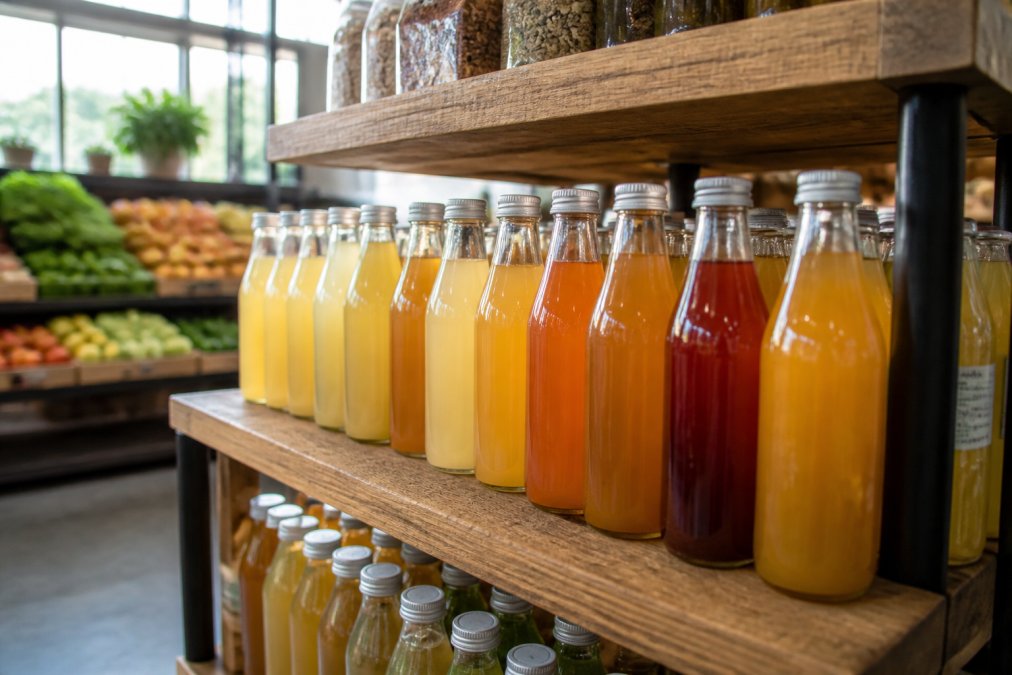
The Three Tiers of Local Sources
1. Dedicated Kombucha Taprooms
These are the closest equivalent to a craft brewery experience. They typically operate their own fermentation facility on-site or partner directly with a regional brewer. You'll find multiple flavors on draft, often rotated seasonally, and staff who can explain the fermentation process, answer questions about ingredients, and let you sample before committing to a full glass or growler fill. Many also run bottle shops and some have vending machines for after-hours access.
2. Natural Food Retailers and Co-ops
Stores like Whole Foods Market, Sprouts Farmers Market, and local co-ops (such as the Park Slope Food Coop in Brooklyn or the Davis Food Co-op in California) are your most reliable retail bet. They prioritize small-batch producers and maintain proper cold-chain storage. The key is to check the refrigerated section, not the shelf-stable aisle. A store that keeps raw kombucha at room temperature is a red flag for quality.
3. Farmers Markets and Direct Delivery
Farmers markets are where you'll meet the brewer directly. You can ask about their tea sourcing, fermentation time, and whether they use organic fruit. This is also where you'll find hyper-local, micro-batch flavors that never make it to retail shelves. For consistent access, direct delivery from a local producer is the most reliable route. Many small brewers now offer subscription models that guarantee you receive freshly bottled product that has been refrigerated throughout transit.
The Locator Problem: What Most Brand Tools Miss
Most brand store locators are little more than a map pin. They tell you where a product is sold, but not whether that retailer actually handles it correctly. A common pattern is that a store will list a brand on its website, but the physical shelf is warm, dusty, or out of stock. Before making a special trip, call ahead and ask two questions: "Is the kombucha in a refrigerated case?" and "Do you carry the raw, unpasteurized line?"
The Community Events Angle
What the top-ranking results almost universally miss is the community dimension. Craft kombucha is not just a product; it's a scene. Look for taprooms that host weekly yoga classes, live acoustic music nights, or fermentation workshops. These events are where you'll meet other enthusiasts and often get first access to limited-release batches. Check the brewery's Instagram or local event calendars on sites like Eventbrite for upcoming tastings or tap takeovers at nearby bars.
For consistent access, direct delivery from a local producer is often the most reliable route. Drink Balo, based in Los Angeles, delivers raw kombucha straight to your door, which guarantees you receive freshly bottled product that has been refrigerated throughout transit.
Flavor Profiles and Pairing Recommendations
The flavor profile of craft kombucha varies enormously by batch and botanical choices. Unlike commercial brands that rely on a single fruit flavor, small-batch brewers experiment with herbs, flowers, tea varietals, and seasonal produce. Understanding the basic flavor families will help you choose a local brewery based on your taste preferences, not just proximity.
The Five Flavor Families of Craft Kombucha
1. Floral and Botanical
These brews feature ingredients like lavender, rose, chamomile, or hibiscus. They tend to be lighter, more aromatic, and less acidic. Look for these if you enjoy herbal teas or want something refreshing on a warm afternoon. A local example might be a lavender-lemon brew or a rose-geranium blend. These pair well with light salads, goat cheese, or fruit-based desserts.
2. Fruity and Tart
This is the most common entry point. Think cherry, raspberry, or passionfruit. The key differentiator in craft versions is that the fruit is often added post-fermentation, preserving its fresh character rather than cooking it down. These are your crowd-pleasers and pair naturally with grilled chicken, fish tacos, or spicy Asian cuisine where the acidity cuts through heat.
3. Earthy and Root-Based
Ingredients like ginger, turmeric, burdock, or dandelion root create a warming, grounding profile. These are often marketed for their anti-inflammatory properties and tend to have a more pronounced bite. They pair well with roasted root vegetables, hearty grain bowls, or as a digestive aid after a heavy meal.
4. Tea-Forward and Savory
Some brewers let the tea itself shine. A hojicha-based kombucha (roasted green tea) will have a smoky, almost coffee-like depth. A yerba mate base adds a grassy, slightly bitter note. These are sophisticated, less sweet options that work as a non-alcoholic substitute for red wine or dark beer. Pair them with grilled meats, mushroom dishes, or aged cheeses.
5. Spiced and Complex
These are the experimental batches featuring chai spices, cardamom, black pepper, or even chili. They're often small-batch limited releases. They pair boldly with Indian, Moroccan, or Mexican cuisine and can stand up to rich, creamy sauces.
How to Taste Like a Brewer
When you visit a taproom, don't just ask for a sample. Ask for a "flight" if they offer one, or order two contrasting flavors side by side. Start with the lighter, more acidic brew first, then move to the sweeter or more complex one. Notice the mouthfeel: a well-fermented kombucha should have a fine, champagne-like bubble, not a coarse, soda-like fizz. The finish should be clean, not cloying.
Pairing for Home Entertaining
For home entertaining, raw kombucha works as a sophisticated non-alcoholic mixer. Its acidity and effervescence mimic the structure of sparkling wine or cocktails, so it pairs naturally with appetizers and light fare. Serve it chilled in a wine glass to let the aromatics open up.
A practical rule of thumb: match the intensity of the kombucha to the intensity of the food. A delicate floral brew will be lost next to a spicy barbecue sauce, while a bold, tea-forward brew can overwhelm a simple green salad. When in doubt, a citrus-forward flavor is the most versatile option for a mixed table.
Your Next Step: Taste the Difference
The gap between mass-produced kombucha and true craft kombucha becomes obvious the moment you taste them side by side. Craft versions taste alive, complex, and intentional, while commercial versions often taste flat and overly sweet. Once you know what to look for, finding quality near you becomes a matter of knowing your local taprooms, checking refrigerated sections at natural food stores, or ordering directly from a trusted brewer.
Drink Balo approaches kombucha with a specific philosophy: use excess farmers market produce, support local growers, and reduce food waste with every bottle. The result is a raw, non-alcoholic kombucha that is grown to taste good and fermented to help you feel better, offering the buzz without the alcohol. With flavors like cherry fig leaf and Buddha's hand hojicha available in 4-packs at $24.00, or a 12-pack for $66.00.
Get started with Drink Balo and taste what properly fermented, sustainably sourced craft kombucha should be.
Frequently Asked Questions
How can I tell if kombucha is raw and authentic?
Check the label for 'raw' or 'unpasteurized.' Authentic raw kombucha is naturally fermented and often contains live cultures. Look for a refrigerated section, as raw kombucha needs cold storage. A good craft option will list simple ingredients, like tea, sugar, and fruit, without artificial additives. If you see a 'best by' date and it's kept cold, you're likely looking at a genuine raw product.
What are the health benefits of drinking raw, craft kombucha?
Raw craft kombucha is naturally fermented, which produces probiotics that support gut health. Unlike many commercial options, craft versions often use organic ingredients and contain less sugar, making them a more functional beverage choice. The fermentation process also creates beneficial acids and enzymes. Choosing a raw, small-batch product means you get live cultures and a more nutrient-dense drink compared to pasteurized alternatives.
How should I store craft kombucha to maintain its quality?
Always keep craft kombucha refrigerated, as the cold temperature preserves the live probiotics and slows fermentation. An unopened bottle can last for months, but once opened, it's best to consume it within a few days to enjoy the freshest flavor and fizz. Avoid leaving it out at room temperature, as this can cause it to ferment further, altering the taste and making it more acidic.
Does craft kombucha contain alcohol?
Most raw kombucha is non-alcoholic, though trace amounts occur naturally during fermentation. Craft brewers typically keep this below 0.5% ABV to comply with regulations. However, some 'hard kombucha' is intentionally brewed to have a higher alcohol content, similar to beer. When searching for craft kombucha near me, check the label to see the ABV percentage and confirm your choice matches your preference.