

How to Store Artisanal Shrub Sodas: A Complete Guide
Table of Contents
- What Is a Shrub Soda and Why Storage Matters
- Refrigeration Requirements for Non-Alcoholic Shrubs
- Shrub Soda Shelf Life: How Long Does It Last?
- Signs of Spoilage in Raw Kombucha and Shrubs
- Container Material and Storage Setup
- Freezing Shrub Sodas: Step-by-Step Instructions
- Sanitization Protocols for Storage Containers
- How to Use Your Shrub Sodas in Cocktails and Beverages
- Frequently Asked Questions
Last Updated: August 31, 2026
What Is a Shrub Soda and Why Storage Matters
A shrub soda is a non-alcoholic fermented beverage made from fruit, sugar, and vinegar that develops complex flavors through natural fermentation. At Drink Balo, we craft shrub sodas using excess farmers market produce, transforming waste into nutrient-dense drinking vinegars that deliver both flavor and functional benefits.
Storage matters fundamentally because shrub sodas are living products containing active cultures that continue to evolve in the bottle. Improper storage accelerates oxidation, degrades flavor stability, and can introduce contaminants that compromise taste and safety. The difference between a shrub stored correctly and one stored carelessly is the difference between vibrant, complex notes and something that tastes thin and oxidized.
Understanding how to store artisanal shrub sodas properly ensures you get the full experience the fermentation process created.

Refrigeration Requirements for Non-Alcoholic Shrubs
Refrigeration is non-negotiable for unopened shrub sodas. The ideal temperature is between 35-40°F, which slows fermentation activity and oxidation dramatically (usda.gov). Most standard household refrigerators maintain this naturally.
Once you open a bottle, refrigeration becomes mandatory immediately. Exposure to oxygen triggers oxidation, which flattens aromatics and creates off-flavors. An opened bottle left at room temperature will noticeably decline in quality within 24-48 hours. Keep it sealed and cold to maintain the flavor profile for weeks.
Shrub Soda Shelf Life: How Long Does It Last?
Unopened Shelf Life
An unopened bottle of artisanal shrub soda stored in refrigeration typically lasts 9 months (peer-reviewed research). This timeframe assumes consistent cold storage without temperature fluctuations and protection from direct light exposure. The acidity level in shrub sodas acts as a natural preservative, creating a hostile environment for spoilage organisms.
Most commercial artisanal shrubs display a best-by date on the label. This date reflects when flavor begins to noticeably decline, not when the product becomes unsafe. The product remains safe and flavorful well beyond it if stored properly.
After Opening: Storage Duration
Once opened, an artisanal shrub soda in the refrigerator stays fresh for 4-6 weeks (the FDA). This assumes you reseal the bottle tightly after each use and maintain consistent refrigeration. Every time you unseal it, you introduce fresh oxygen, which accelerates oxidation and flattens the brightness that makes shrubs distinctive.
Temperature stability matters more after opening. A refrigerator that maintains 35-40°F will preserve freshness longer than one that fluctuates between 38-45°F.
Signs of Spoilage in Raw Kombucha and Shrubs
Spoilage in shrub sodas manifests through visual, olfactory, and taste indicators.
Visual indicators:
A layer of sediment at the bottom of the bottle is normal and expected in raw, unpasteurized shrub sodas. This consists of fruit particles, yeast, and beneficial bacteria. Shake the bottle gently before drinking to redistribute it.
Cloudiness or haziness that wasn't present when you opened the bottle signals oxidation or microbial activity. Mold growth on the surface or along the bottle neck is a clear rejection signal and indicates contamination.
Smell and taste signals:
A vinegary smell stronger than when you opened the bottle indicates accelerated fermentation or oxidation. Shrub sodas do smell vinegary, but a sudden intensification suggests the balance has shifted unfavorably.
Off-flavors like musty, metallic, or sour-beyond-intended tastes mean the product has degraded. Trust your palate.
Container Material and Storage Setup
Glass is the gold standard for artisanal shrub soda storage. Glass is chemically inert and doesn't interact with the acidic environment or leach compounds into the liquid. Glass also protects contents from light exposure if stored in an opaque cabinet or dark refrigerator section.
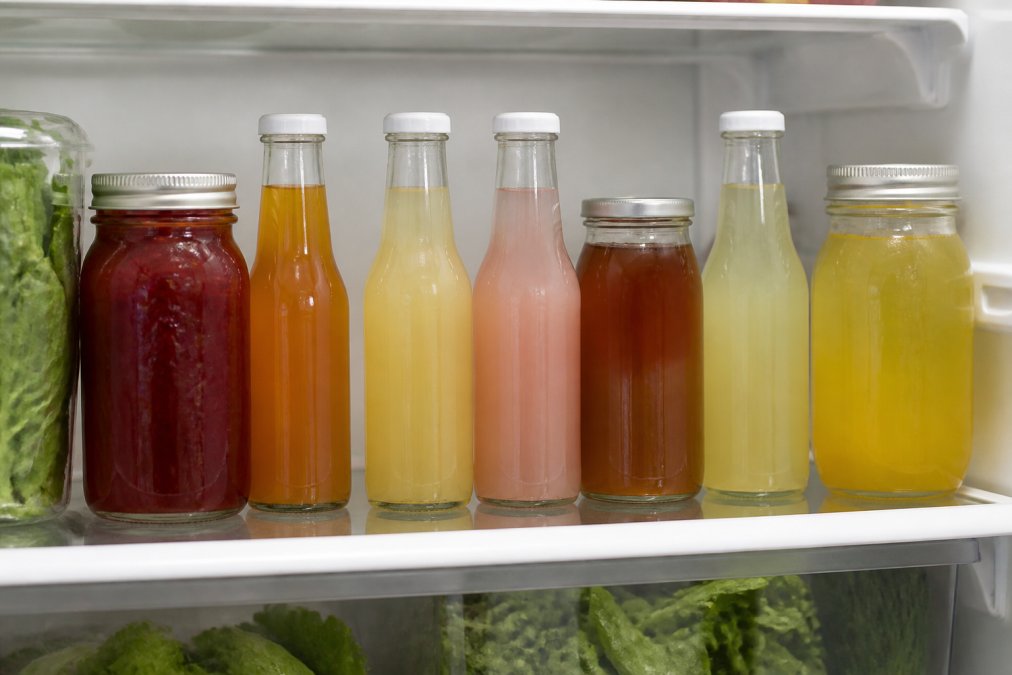
Mason jars work exceptionally well. The glass construction provides protection, and the metal lid with rubber gasket creates an airtight seal that minimizes oxygen exposure. If transferring shrub soda to a mason jar, ensure the jar is sanitized before use.
Plastic containers are not ideal for long-term storage. Acidic liquids can interact with certain plastics over time, and plastic is more permeable to oxygen than glass, accelerating oxidation. Metal containers should be avoided unless specifically lined for acidic beverages. storing artisan beverages.
The airtight seal is critical regardless of container material. An airtight seal minimizes oxygen exposure, the primary driver of oxidation and flavor degradation. Store containers in the coldest part of your refrigerator, away from the door, and avoid placing them near the ice maker or freezer vents.
Freezing Shrub Sodas: Step-by-Step Instructions
Freezing extends shelf life significantly, preserving shrub sodas for months when you want to build inventory or preserve a batch you particularly love.
Step 1: Choose freezer-safe containers
Select containers designed for freezing. Glass bottles with straight sides work better than curved bottles. Mason jars are excellent. Ensure the container has at least one inch of headspace at the top, as liquid expands when frozen.
Step 2: Label and date your containers
Label each container with the flavor and freezing date using waterproof labels or tape.
Step 3: Place containers in the freezer
Arrange containers upright on a stable freezer shelf. Don't stack containers on top of each other, as this increases pressure and cracking risk.
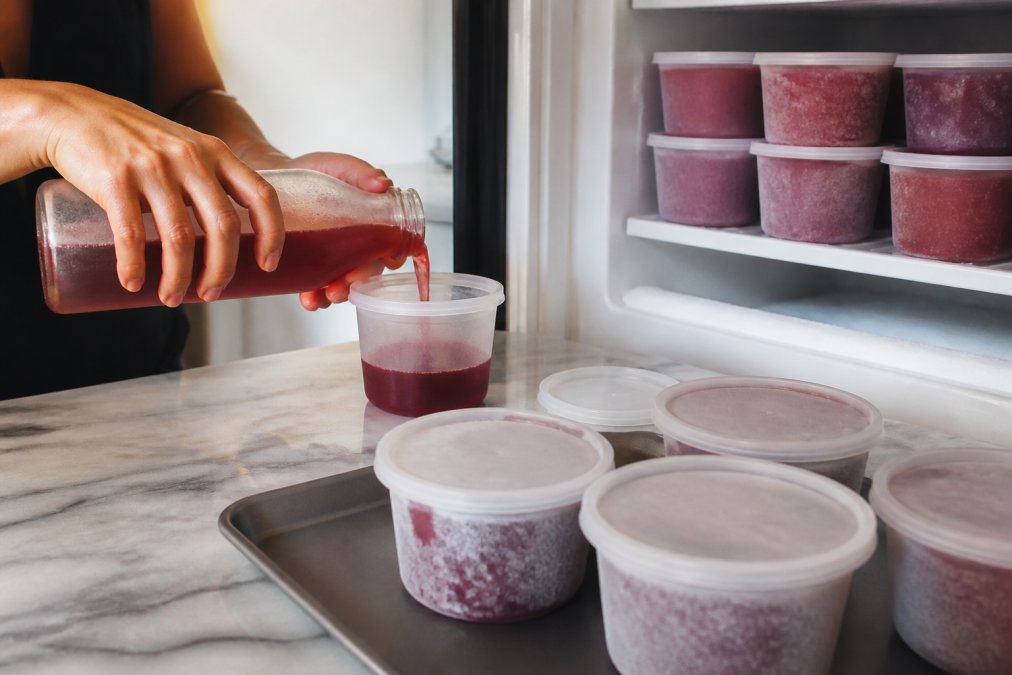
Step 4: Allow proper freezing time
Shrub sodas typically freeze solid within 12-24 hours. Don't rush the process.
Step 5: Thaw in the refrigerator
Transfer frozen shrub soda from the freezer to the refrigerator and allow it to thaw completely, typically 24-48 hours. Never thaw at room temperature.
Step 6: Shake gently after thawing
Once thawed, shake the bottle gently to redistribute sediment and recombine any separated components.
Frozen shrub sodas maintain quality for 3-6 months in a standard freezer at 0°F. Once thawed, treat as you would a freshly opened bottle and consume within 4-6 weeks.
Sanitization Protocols for Storage Containers
Proper sanitization prevents contamination that can compromise your shrub soda's quality and safety.
Cleaning before sanitization:
Rinse containers thoroughly with hot water to remove residue. Use a bottle brush to scrub the interior walls, paying special attention to the neck and lid threads. Don't use soap, as residue can affect flavor.
Sanitization methods:
The most effective method is boiling. Fill a large pot with water, submerge the container and lid, and bring to a rolling boil. Maintain the boil for 10 minutes. Remove containers carefully with tongs and allow them to air-dry on a clean cloth.
An alternative is using a food-safe sanitizer solution available at homebrew supply shops. Follow product instructions, typically soaking the container and lid for the recommended time, then rinsing thoroughly with distilled water.
A third option is using diluted white vinegar as a rinse. Mix one part white vinegar with three parts water, fill the container, let it sit for 5 minutes, then rinse thoroughly.
Never use bleach or chlorine-based sanitizers for food containers.
Drying and storage:
Allow containers to air-dry completely on a clean cloth or rack. Once dry, store in a clean, dry location. If containers will sit unused for extended periods, store them in a sealed bag to prevent dust accumulation.
How to Use Your Shrub Sodas in Cocktails and Beverages
Shrub sodas function as sophisticated mixers in cocktails, elevating simple drinks into complex, balanced beverages.
Using shrubs as cocktail mixers:
A basic shrub cocktail uses a 1:2 ratio of shrub soda to spirit. For example, 1 ounce of shrub soda mixed with 2 ounces of bourbon creates a balanced drink. Adjust the ratio to your preference. Shrub sodas pair exceptionally well with whiskey, gin, rum, and tequila.
Non-alcoholic shrub beverages:
Dilute shrub soda with sparkling water or still water for a refreshing non-alcoholic drink. A 1:3 ratio of shrub soda to water creates a balanced beverage. Shrub sodas work beautifully in mocktails combined with fresh herbs like mint or basil, sparkling water, fresh citrus juice, and a touch of honey.
Culinary applications:
Beyond beverages, shrub sodas work as ingredients in cooking and baking. The acidic, fruity flavor adds dimension to salad dressings, marinades, and glazes. A tablespoon of shrub soda in a vinaigrette creates brightness without the harshness of straight vinegar.
Match the shrub's flavor intensity to your mixer for drinks that taste intentional. A bright citrus shrub works well with gin or sparkling water. A darker berry shrub pairs beautifully with whiskey or rum. Tropical fruit shrubs complement tequila and light spirits.
Storing artisanal shrub sodas properly transforms them from a product you consume quickly into one you can enjoy over months. The principles are straightforward: refrigerate unopened bottles, maintain cold storage for opened bottles, use airtight containers, and watch for signs of degradation. When you invest in quality shrub sodas like those from Drink Balo, crafted from excess farmers market produce and fermented for both flavor and function, proper storage ensures every bottle delivers the complexity and vitality that raw fermentation creates.
Frequently Asked Questions
Q: How long does shrub soda shelf life last in the refrigerator?
A: Unopened shrub sodas last approximately 9 months when refrigerated consistently. Once opened, consume within 4-6 weeks for optimal flavor. The acidification from vinegar and fermentation naturally preserves the drink, but refrigeration slows oxidation and maintains the flavor profile. Store opened bottles with airtight seals to prevent contamination and extend freshness.
Q: Do artisanal shrub sodas require refrigeration?
A: Yes, refrigeration is essential for artisanal shrub sodas. Unlike shelf-stable beverages, raw fermented shrubs contain live cultures and probiotics that require cold storage to remain active and prevent spoilage. Keep unopened bottles at 35-40°F and maintain this temperature after opening. Room temperature storage accelerates oxidation and degrades flavor stability. Cold storage preserves both taste and the functional benefits you're seeking.
Q: What are the signs that a shrub soda has gone bad?
A: Watch for visible mold, cloudiness beyond normal sediment, off-putting vinegar odors, or fizzing when unopened. If the airtight seal is compromised or the bottle feels warm, discard it. Taste changes, sourness beyond the expected tang or musty flavors, indicate spoilage. Check the best-by date and inspect for leaks or damage. When in doubt, don't consume it; the investment in quality shrub sodas isn't worth the risk.
Q: Can you freeze shrub sodas or shrub syrups?
A: Yes, freezing extends shelf life significantly. Pour shrub soda into freezer-safe containers, leaving 1 inch of headspace for expansion, and freeze at 0°F or below. Frozen shrubs last 3-6 months. Thaw in the refrigerator before consuming to preserve carbonation and flavor. Freezing is ideal for batch storage or if you want to preserve seasonal flavors. Avoid glass bottles in the freezer, use plastic or silicone containers to prevent cracking.
This article was written using GrandRanker